Rumor mill: The Trump administration is preparing a tariff plan that could shield US hyperscalers, including Amazon, Google, and Microsoft, from new duties on imported semiconductors. The carve-outs would be tied to fresh US investment commitments from TSMC.

People familiar with the matter told the Financial Times that the plan, still in flux and awaiting presidential approval, would allow TSMC to grant tariff exemptions to its US clients based on the scale of its US expansion. In essence, the more TSMC builds stateside, the more tariff-free chips its American customers could import.
The measure reflects the administration's dual goals: curbing reliance on foreign manufacturing while keeping Big Tech's AI supply chains intact during a period of heavy infrastructure build-out.
Behind the exemptions lies an effort to translate tariff pressure into tangible factory output on American soil. Officials see the policy as a way to accelerate TSMC's $165 billion US manufacturing plan.
The company still manufactures most of its high-performance AI chips in Taiwan. "We're going to be monitoring what unfolds after this is unveiled like hawks," one administration official briefed on the process told the FT, emphasizing that the government wants to avoid creating what could appear to be a "giveaway" to TSMC.
The structure of the exemptions is rooted in a broader US-Taiwan trade framework finalized earlier this year. That accord lowered tariffs on imports from Taiwan to 15 percent in exchange for a combined $250 billion commitment by Taiwanese chipmakers to invest in the US semiconductor sector.
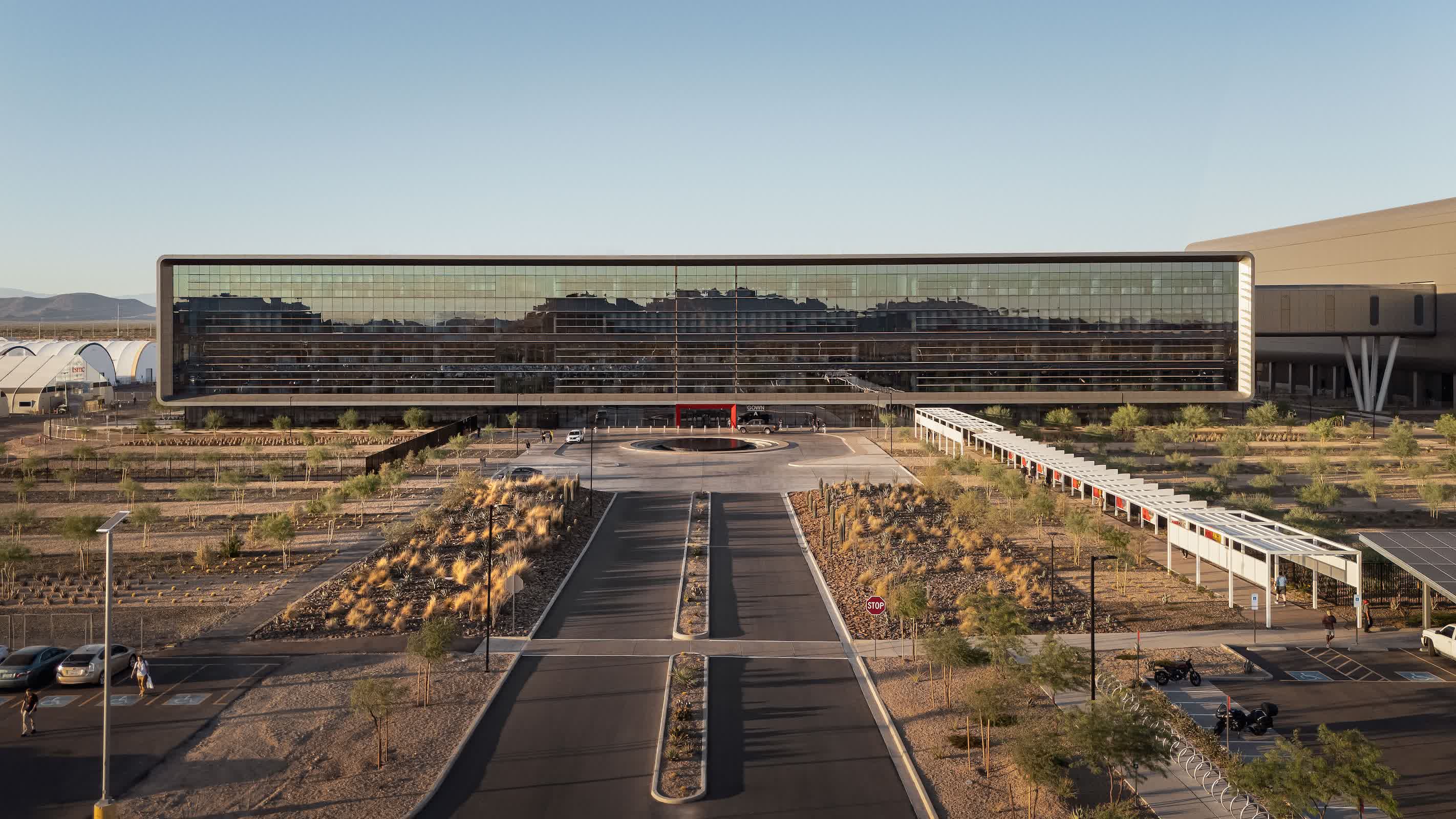
TSMC's Arizona facility
Under the agreement, companies building fabrication plants in the country may import up to 2.5 times the capacity of their planned facilities tariff-free during construction. Existing plants, meanwhile, qualify for up to 1.5 times their current capacity.
For TSMC, the policy translates to a pool of rebates that can be allocated to key US clients. In practice, the world's major cloud providers could use those exemptions to feed their data centers with tariff-free TSMC chips as they expand their AI training and inference infrastructure.
One person familiar with the discussions said that several operational details – such as how exemptions would be distributed and how production forecasts would be verified – remain unresolved.
Commerce Department and White House spokespeople declined to comment, and TSMC also chose not to respond to inquiries.
The new proposal follows the administration's January decision to impose 25 percent tariffs on a limited category of chips imported into the US and then re-exported to China. That earlier measure primarily affected certain AMD and Nvidia products for the Chinese market.
It formed part of a deal that allowed Nvidia to resume sales of its high-performance H200 chip in China, with the US government taking a 25 percent share of the proceeds.
By contrast, chips imported for domestic AI infrastructure – such as those powering vast training clusters in US data centers – remain exempt from January's tariffs. However, a White House proclamation accompanying that earlier policy warned that the Commerce Department had recommended "broader tariffs on semiconductors at a rate of duty that is significant." Those prospective duties, once finalized, are expected to include a mechanism for tariff credits or rebates tied to new semiconductor investments in the United States.
Taken together, the emerging strategy reflects an attempt to leverage tariff threats to drive domestic production gains without crippling the companies that drive America's AI economy. For now, the administration's challenge is to align its industrial ambitions with practical supply chain realities that still depend heavily on chips fabricated across the Pacific.
Trump administration considers linking chip tariff exemptions to TSMC's US investment expansion


