Underwater data centers are heading for waters that endangered whales call home

Alfonso Maruccia

Posts: 2,807   +1,086
Staff
In context: Pilot projects have demonstrated that undersea data centers can operate reliably without significant heat-dissipation issues. However, underwater environments support fragile ecosystems that could be seriously disrupted by artificial computing infrastructure.
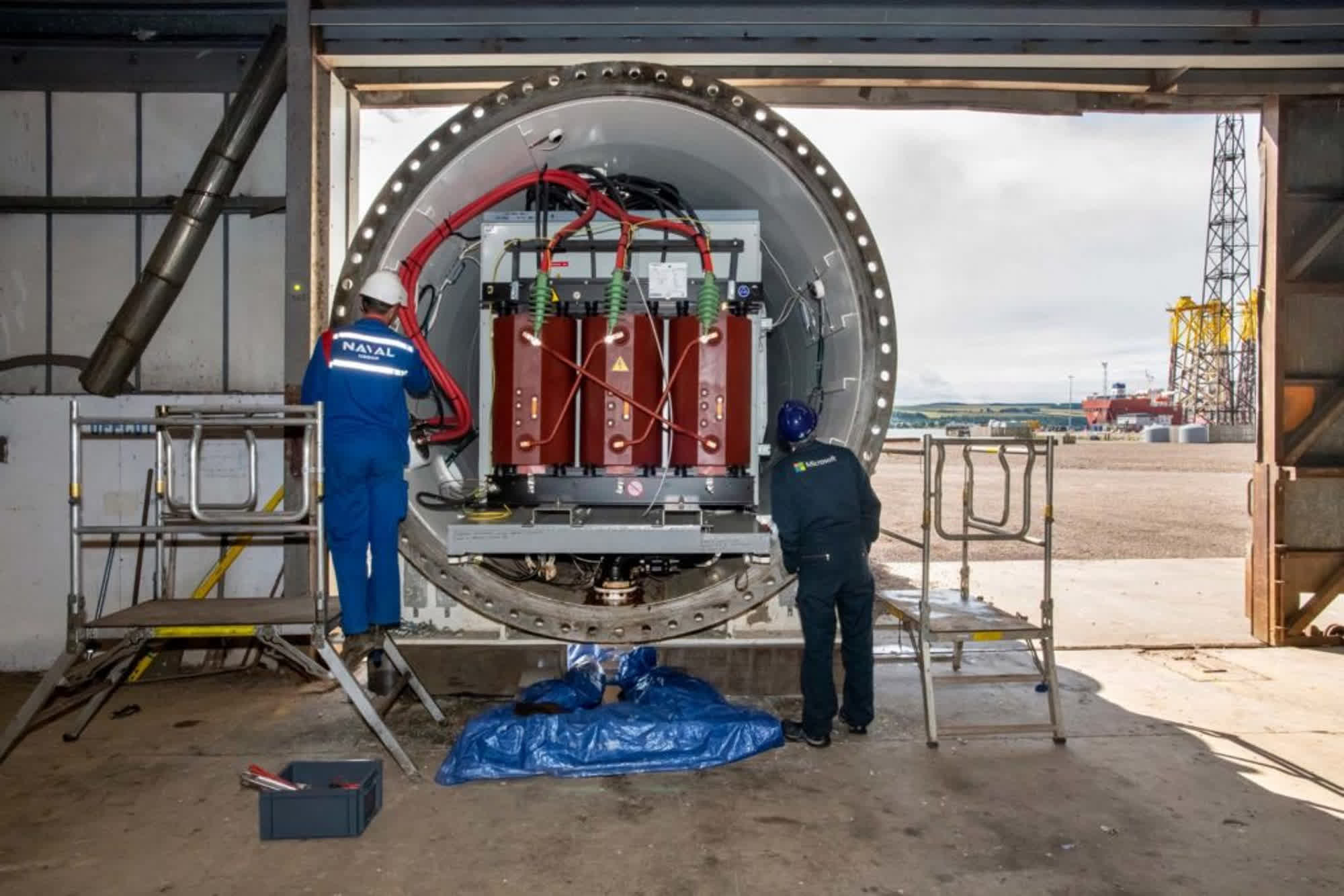
Earlier this year, DeepGreen Holdings filed a preliminary permit application with the Federal Energy Regulatory Commission (FERC). The company is seeking to develop two data center projects designed to take advantage of underwater environments, but the proposed locations overlap with habitats of two endangered whale populations. Local communities have also voiced strong opposition to the projects.

DeepGreen plans to build its facilities beneath Cook Inlet, in Alaska, and in the Gulf of Maine. The proposed Cook Inlet facility would consist of 66 modular data center "pods," powered by 330 to 350 tidal turbines. The company expects the installation to generate 100 megawatts of power, most of which would be used to run the underwater data center.

The Maine project would be smaller, with 50 tidal turbines providing 51 megawatts of power to a cluster of data center pods. Both projects could affect the habitats of two distinct endangered whale populations. Cook Inlet is home to a genetically isolated population of beluga whales, while the Gulf of Maine serves as a feeding ground for North Atlantic right whales.

Cook Inlet's beluga population numbers around 300 individuals, while fewer than 400 North Atlantic right whales remain in the population relevant to the Maine project. Whales rely on echolocation to navigate underwater environments, find food, and communicate with one another. The proposed data centers could affect their surroundings both during construction and once the facilities are operational.
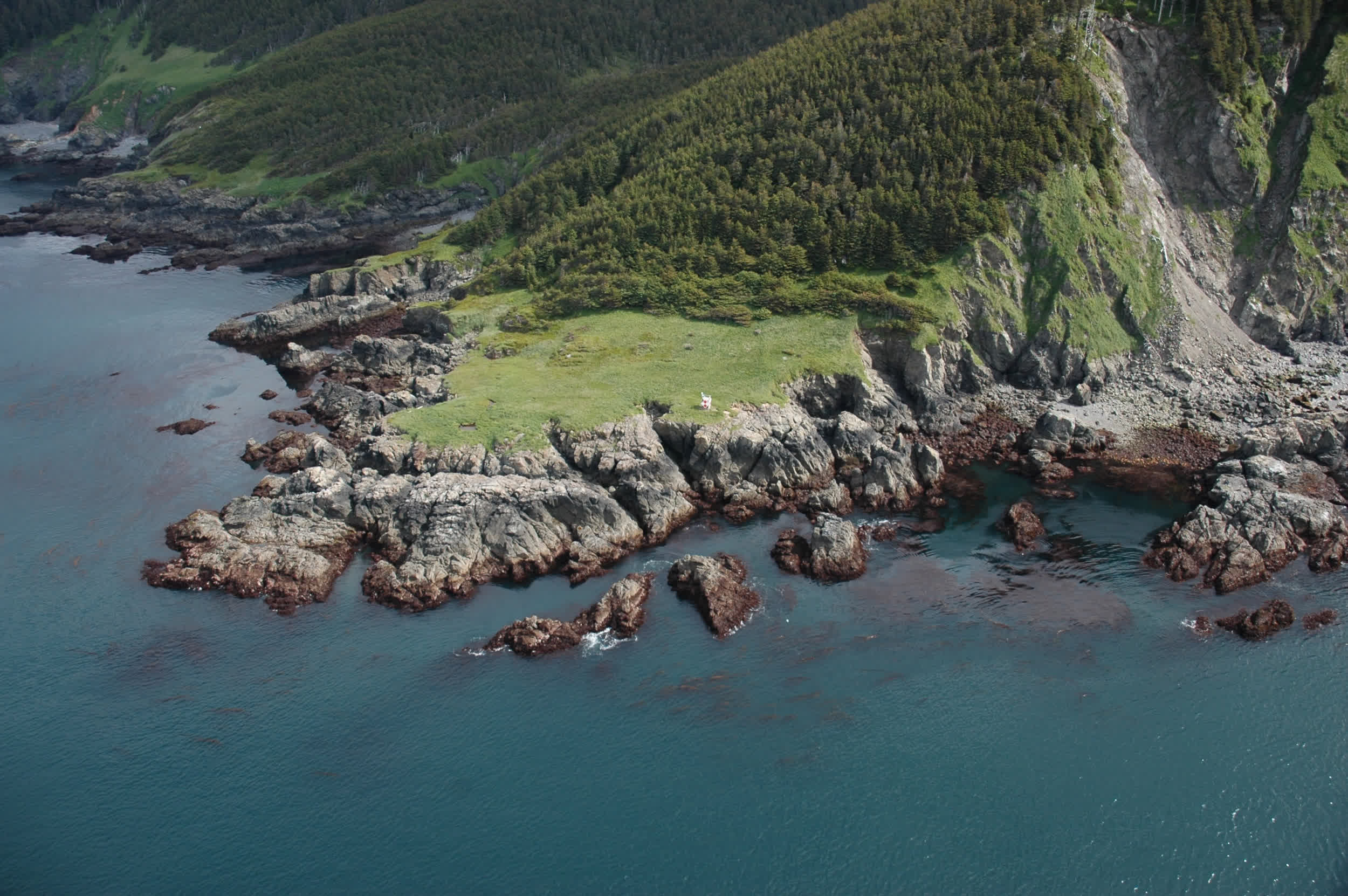
According to Arial Brewer, a beluga researcher at the University of Washington and the National Oceanic and Atmospheric Administration, "skittish" animals such as whales could experience stress in different and unpredictable ways as a result of the proposed underwater data centers.

DeepGreen's plans are unprecedented in both scale and the extent of the areas they could affect. Pilot projects such as Microsoft's Project Natick have demonstrated that underwater data centers can support reliable computing operations without significant overheating problems. Seawater helps dissipate heat, potentially limiting some of the environmental impacts associated with cooling.

However, no one has yet attempted a project on the scale DeepGreen is proposing. Only two operational underwater data centers are currently known to exist, and both are located in Chinese waters. The proposed US facilities would be substantially larger, leaving little directly comparable evidence to establish their potential environmental impact.

For now, construction has not begun. FERC representative Celeste Miller said that a preliminary permit does not authorize a project to be built. The commission also required DeepGreen to amend its original proposal because it did not provide sufficient documentation concerning Indigenous tribes with historical ties to the affected areas.

According to real estate developer Louis Wolfson, who is behind DeepGreen, the company has no immediate plans to begin construction. He said DeepGreen is willing to comply with any requirements designed to protect the local environment, adding that equipment would be deployed only if it could "operate safely well within federal marine mammal thresholds."

Permalink to story:

 
Why can't we put them in deserts?

Seems like that would create new jobs - alongside the nuclear powerplants scheduled to be built to power them.

Move to the parts of America that no one wants to live in.

As for Russia: build them near Yakutia - that'll keep those people warm up there.

China: Build them near those ghost cities and the deserts.

So you build gigantic megastructures with solar panels, batteries and active cooling away from where people want to actually be. Use it as an EV charging spot. Maybe some solar stills can create water.
Cause we want the advantage of cooling…. Deserts in the US are HOT….
 
Why can't we put them in deserts?

Seems like that would create new jobs - alongside the nuclear powerplants scheduled to be built to power them.
In this specific case they want to use tidal flows for power (which only work in specific areas) and the water for cooling. Personally, I think the best place to put them would be industrial parks up in the Rust belt region, plenty of abandoned factory land and no shortage of water, and yes use nuclear and/or solar to power them.
 
I feel like the whales would get used to the data centers pretty quick and actually like swimming near them because of the warm water they produce. Whales are just like humans and like to be warm, which is why they have so much fat on their bodies (called blubber) to keep them warm when they swim down deeper to catch fish.

The only problem is that they might damage the data centers by ripping the cables up if they swim too close, but if they designers put fake eyes and tentacles around the cables, they might look like giant sea squid and keep the whales away
 
How come cooling is such a big deal for data centers? They require 1GW of electric power, They will generate similar of thermal. That's below random nuclear reactor heat generation. Electricity seems to be bigger issue. The thermal can be used to supply nearby city with heating in winter or dry biomass for energy production in summer. Why not recoup some cost in dual use?
 
Who cares, the entire ocean is friggin' massive, it's not like it will take up more space then every single data center to ever be constructed would, which is like maybe the size of Rhode Island, if that, so people just need to chill tf out.
 
Who cares, the entire ocean is friggin' massive, it's not like it will take up more space then every single data center to ever be constructed would, which is like maybe the size of Rhode Island, if that, so people just need to chill tf out.
You seem to be under the impression that all areas of the ocean are equally habitable and desirable to all forms of aquatic life. I'm afraid to tell you that isn't the case.
 
Based on the people's comments here, they couldn't care two craps about ocean life and the major negative impact this can cause in humans...but once again these must be children that don't know better by commenting nonsense or very stupid people that never got educated in marine life.
 
Based on the people's comments here, they couldn't care two craps about ocean life and the major negative impact this can cause in humans...but once again these must be children that don't know better by commenting nonsense or very stupid people that never got educated in marine life.
There is 0 evidence that this datacenter - if it even gets built - will harm any whales (or any other marine life). It simply “could” - studies will be done, permits applied for, etc… save your propaganda for once that happens.
 
I feel like the whales would get used to the data centers pretty quick and actually like swimming near them because of the warm water they produce. Whales are just like humans and like to be warm, which is why they have so much fat on their bodies (called blubber) to keep them warm when they swim down deeper to catch fish.

The only problem is that they might damage the data centers by ripping the cables up if they swim too close, but if they designers put fake eyes and tentacles around the cables, they might look like giant sea squid and keep the whales away

Most whales live in Antarctica or Arctic except for when they breed and why they migrate to warmer waters as the babies will not have enough blubber at birth to survive frigi waters. Whale's love the cold waters so you post is ridiculous.
 
Back