Vivo X300 Ultra takes aim at DSLRs with Zeiss lenses and pro photography tools

midian182

Posts: 11,726   +177
Staff member
In a nutshell: Personal cameras are one of several devices that smartphones are said to have killed, but DSLRs remain popular among photography enthusiasts. But with Vivo's X300 Ultra, the company has made a phone that could entice some users to ditch their pro-level cameras.
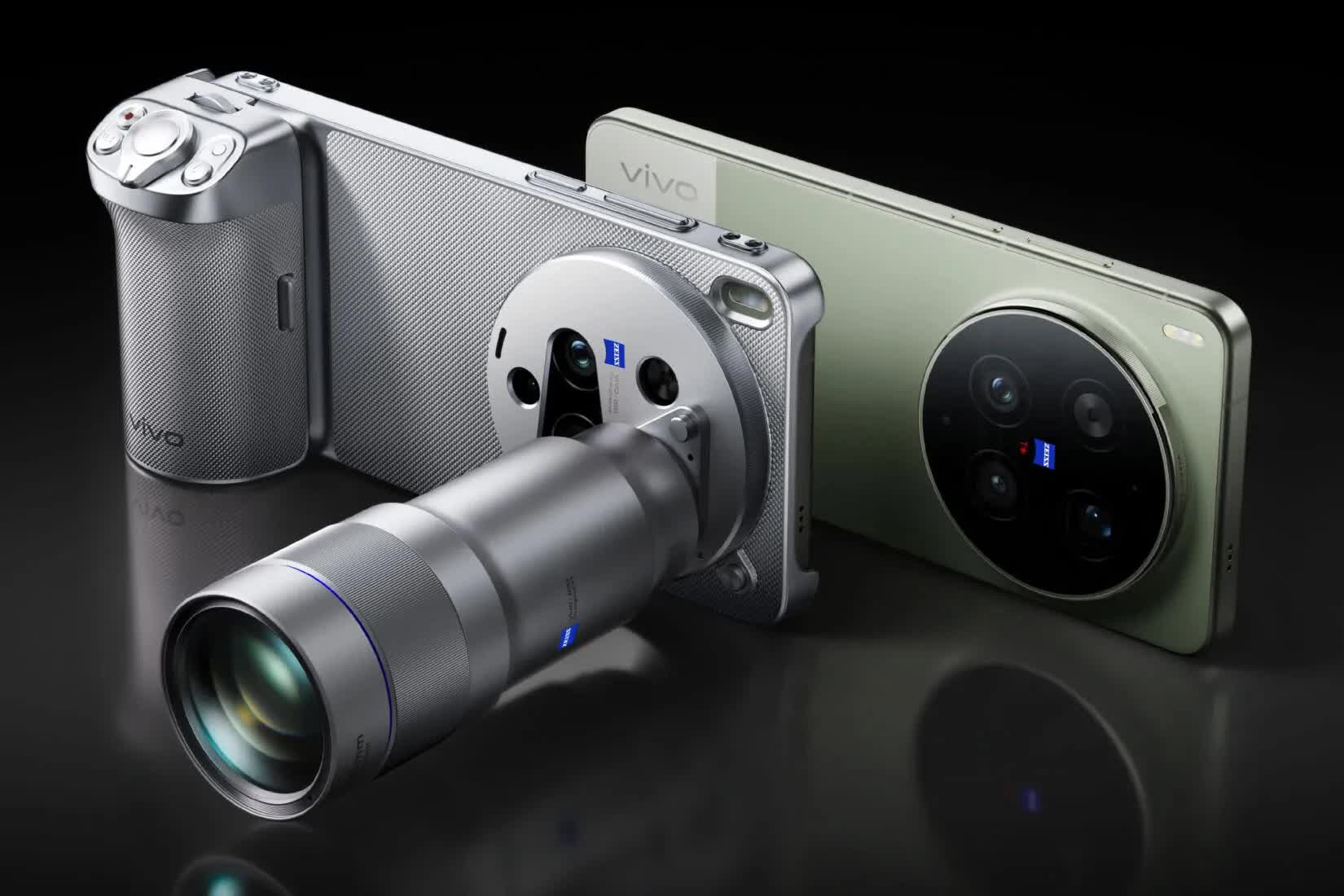
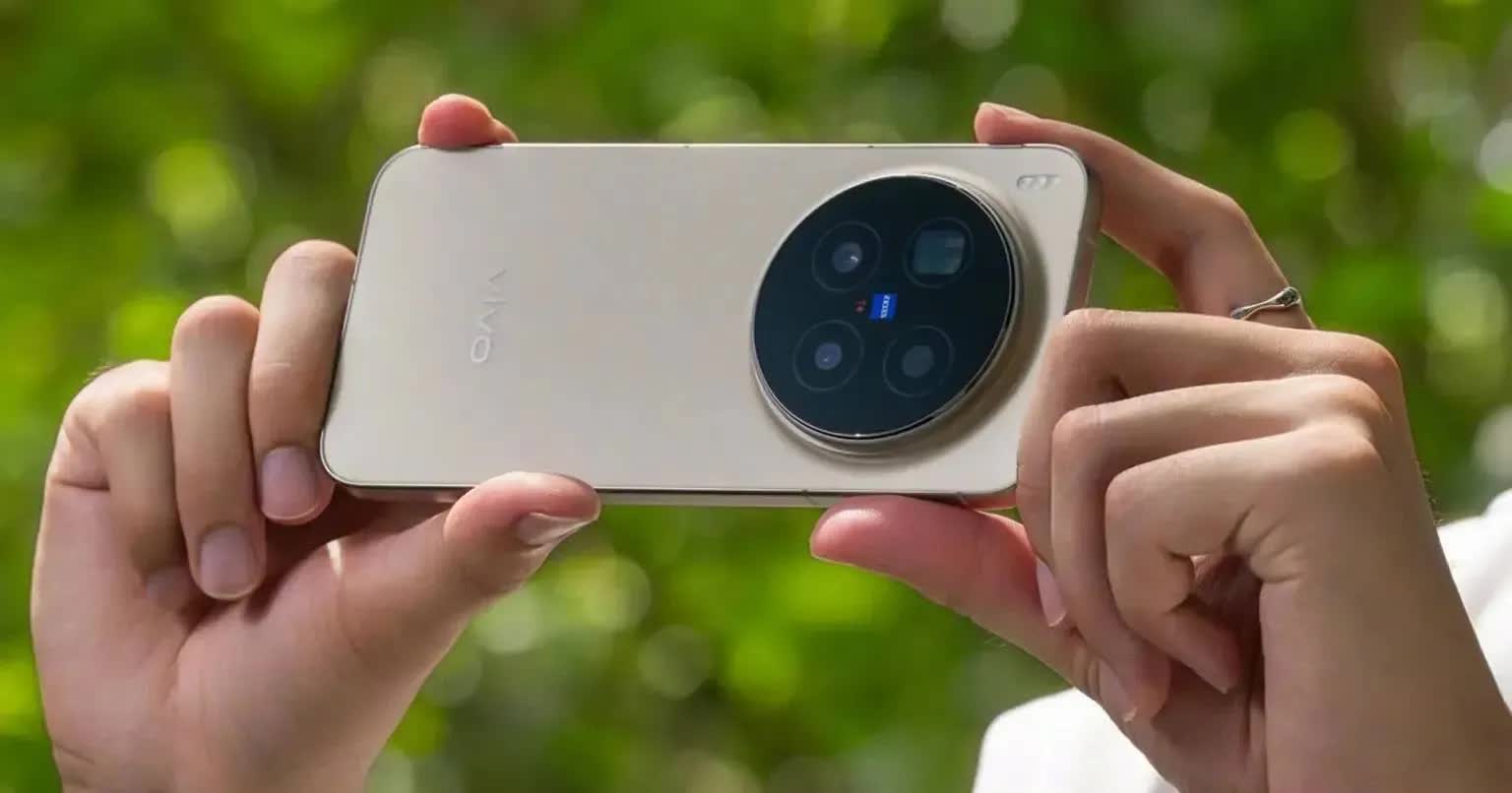
Vivo has launched the X300 Ultra in China as a device built heavily around advanced imaging hardware, continuing a trend in which smartphone makers are trying to push deeper into territory once dominated by DSLR and mirrorless cameras.
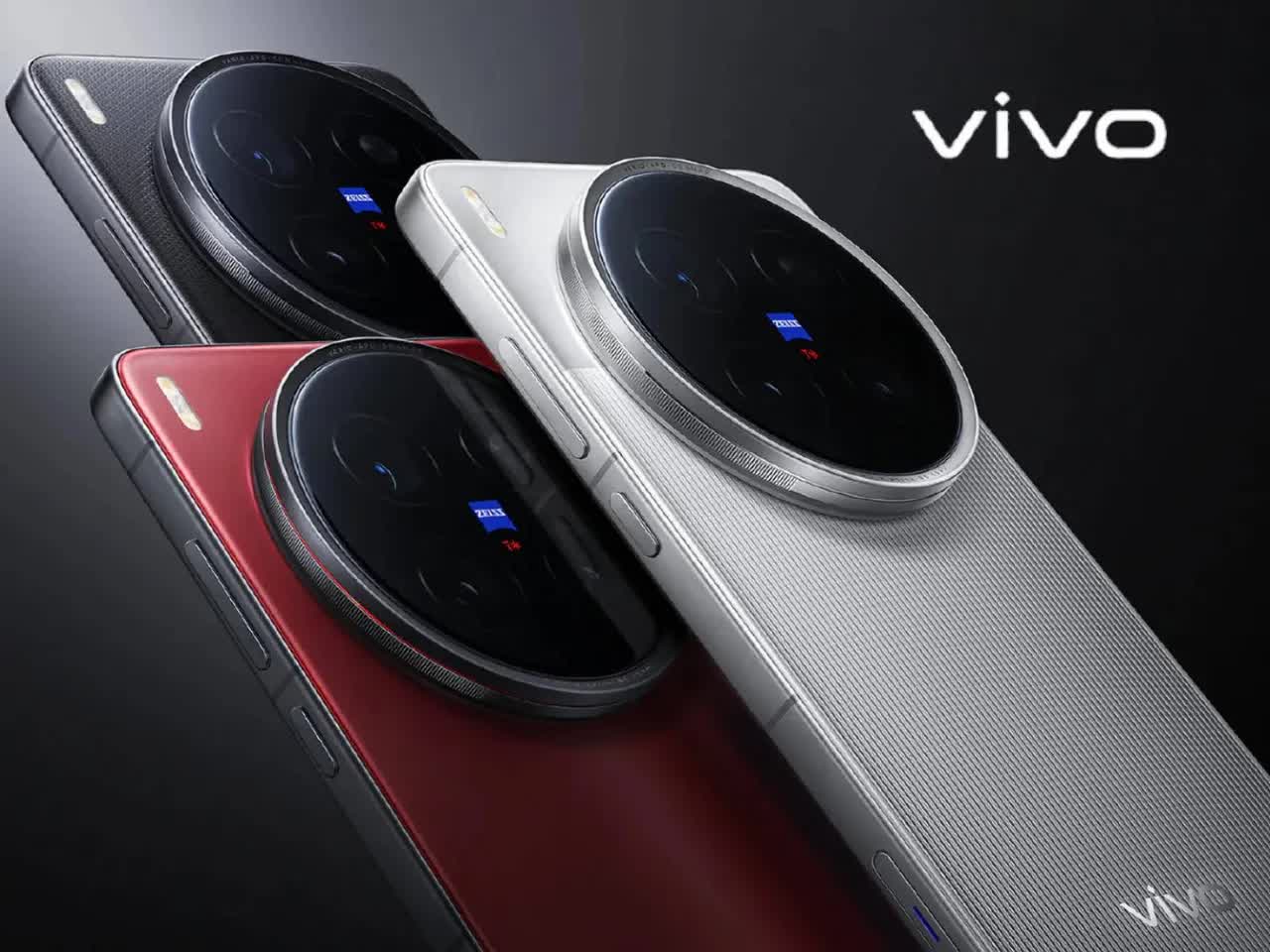
While the earlier X300 and X300 Pro already focused on strong camera credentials, the X300 Ultra goes further with external telephoto lenses, cinema-grade video tools, and accessories designed to make the phone feel more like a dedicated camera system.

At the center of the pitch is Vivo's Zeiss-branded camera setup, which focuses on traditional photography focal lengths.
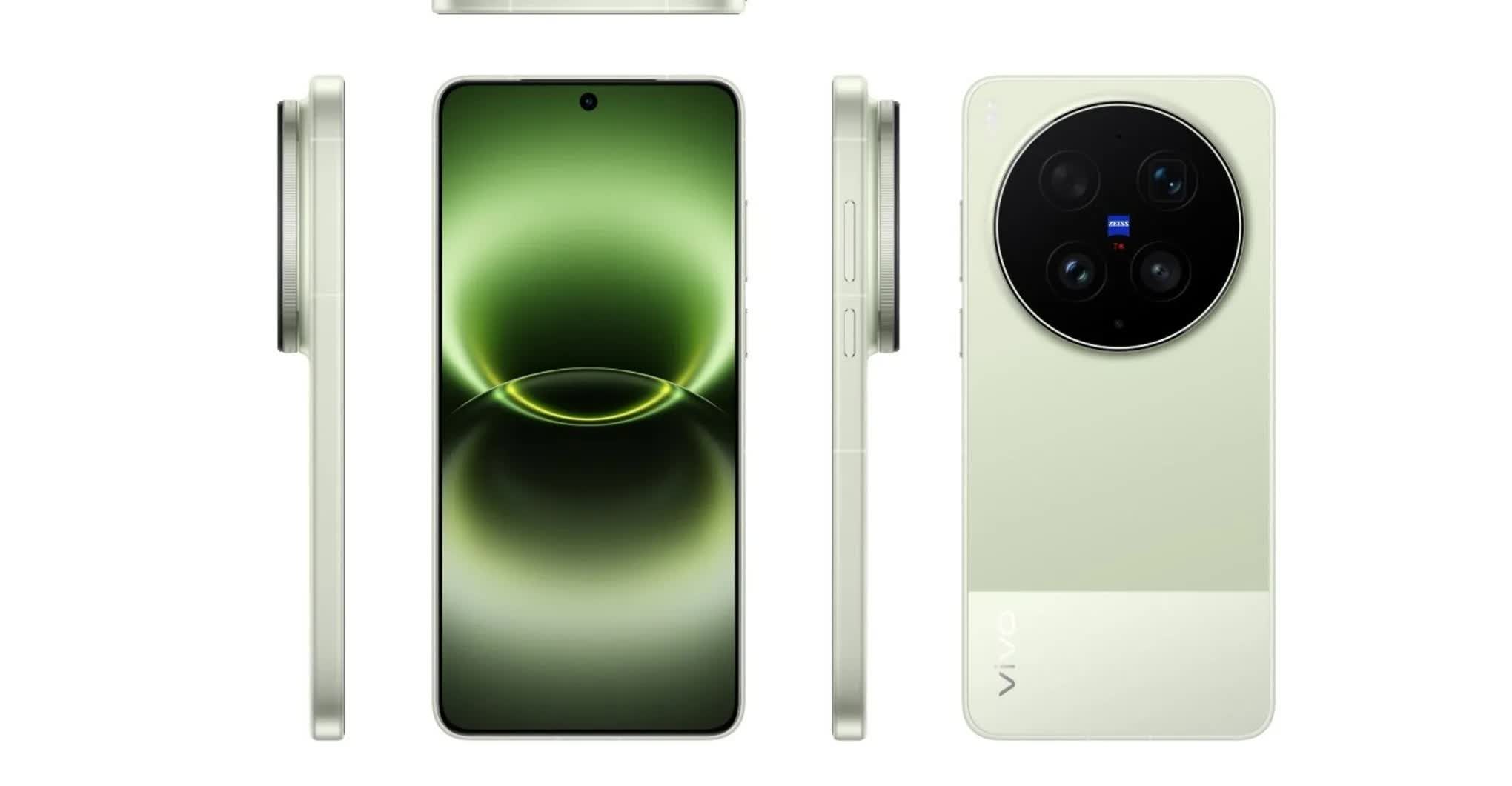
The rear array covers 14mm ultra-wide, 35mm standard, and 85mm telephoto shooting, giving users a range that mirrors the lens combinations many photographers already carry.

The primary 35mm camera uses Sony's LYTIA 901 sensor, while the 85mm telephoto pairs with Samsung's 200-megapixel HP0 sensor and stabilization hardware intended to improve handheld zoom shots.
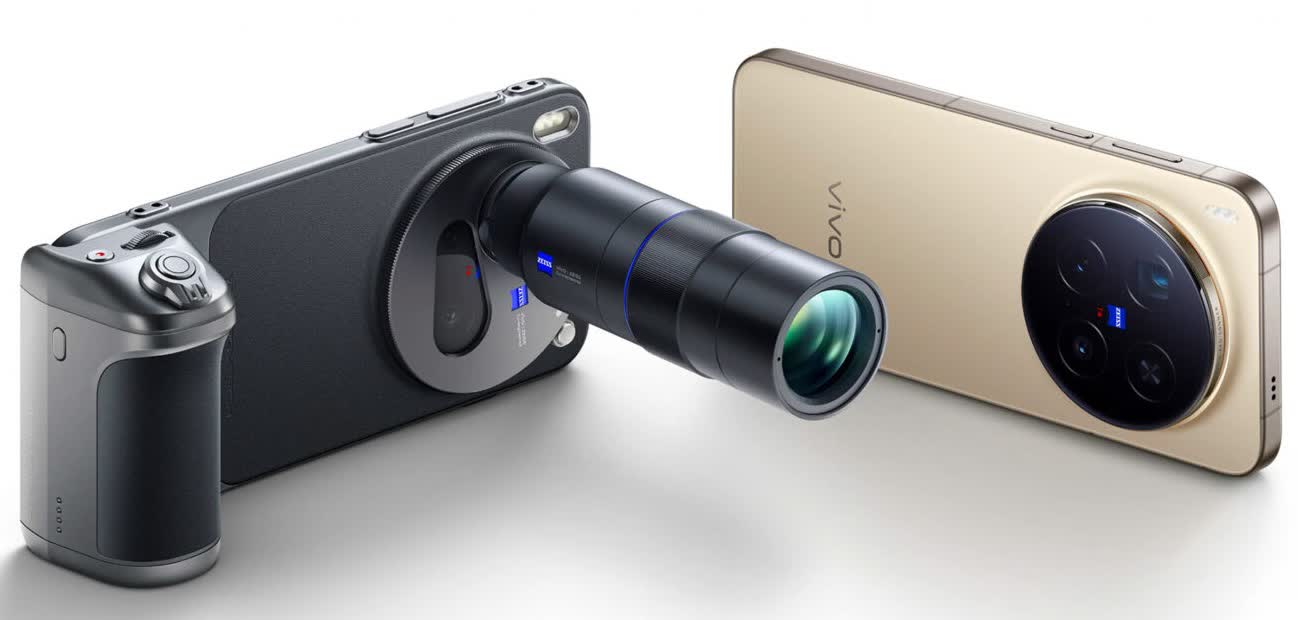
Vivo is also touting optical image stabilization across all focal lengths, helping the phone tackle one of the biggest weaknesses of smartphone photography: keeping long-range shots steady without leaning too heavily on digital zoom.

What really pushes the DSLR comparison is the optional hardware. Vivo is offering telephoto extender lenses that take the focal range to around 200mm and 400mm equivalents, opening the door to the kind of wildlife and sports photography scenarios that usually demand bulky interchangeable lenses. There is also a Photographer Kit with a camera cage and physical controls.
Video is another major focus. The X300 Ultra supports 4K recording at 120fps in 10-bit Log, giving editors more room for color grading and post-production work.

Vivo also says the phone supports ACES workflows, allowing footage captured on the device to fit more easily into professional film-production pipelines.

Other features include a Snapdragon 8 Elite Gen 5 and a 6,600mAh battery with 100W wired and 40W wireless charging. Configurations range from 12GB RAM with 256GB storage to 16GB RAM with 1TB storage.

The X300 Ultra is available in China in configurations ranging from 12GB of RAM and 256GB of storage up to 16GB and 1TB. Vivo has also confirmed that the handset will receive a global release, though exact markets, pricing, and timing have yet to be announced.

Permalink to story:

 
I think serious photographers might appreciate devices with a longer lifespan than a smartphone. This phone is a device for dabbling until the non-replaceable battery loses its ability to hold charge.

This is junk.
 
I think serious photographers might appreciate devices with a longer lifespan than a smartphone. This phone is a device for dabbling until the non-replaceable battery loses its ability to hold charge.

This is junk.

As a photographer I replace my camera body every 3-4 years..most people I know do the same with their bodies.. this will outlast that cycle.

However my concern is not the longevity but the AI aspect. Every camera marketed towards pro-ams uses network based AI to 'process' the photo removing the realism. I cannot find the link offhand but in 2024 a dlsr channel reviewed 'pro photo phones' by zooming in on faces of statues and found that different vendors ''took different pictures'' despite being mounted to the same tripod wherein the AI tried to put extra data in the photo the camera COULD NOT PSYCHICALLY TAKE. IE, it added fake data to make the photo appear as it was 'expected' by the AI and that photo is then saved and presented as ''what the camera took'' to the unknowing user..

case in point the statue had a new face put on it and the camera phones kept producing the ORIGINAL statue face because all the reference images ONLINE told the phone AI ''this is what that face looks like, modify the photo the following way''

 
I would love to have a good DLSR, but I do not have the budget to commit to it as someone who is casual into photography. Lenses are so expensive, but now a days everything is... Other issue for me is bulkiness. I love to capture spur of the moment stuff.
 
I think serious photographers might appreciate devices with a longer lifespan than a smartphone. This phone is a device for dabbling until the non-replaceable battery loses its ability to hold charge.

This is junk.

X200 Pro user here.
Yes, the device will not change any real "I do this for a living" photographer, but it damn sure changed what I wanted (x A7CR user) - and that is a simple small-ish device that is in my pocket all the time, is all in one and reliable at taking photos - and let me tell you the pictures are amazing (you actually have a lot of manual control) and I'm still blown away sometimes at how sharp the lenses are (the image is great and not overprocessed if you take 5min and set it up the way you like it).
About the battery on the X200 Pro: It's a 6000mAh Silicon Anode Semi-Solid Battery (among many advantages it is more stable at lower temperatures), I charge it with a 90W charger and have 0 problems, still 100% usability.

So it maybe junk to you, but I've done my research and the amount of progress that went in these phones (Vivo and also Oppo) is awesome and I'm all for it, see it, and also enjoy it :). Try one sometimes :)
 
As a photographer I replace my camera body every 3-4 years..most people I know do the same with their bodies.. this will outlast that cycle.

However my concern is not the longevity but the AI aspect. Every camera marketed towards pro-ams uses network based AI to 'process' the photo removing the realism. I cannot find the link offhand but in 2024 a dlsr channel reviewed 'pro photo phones' by zooming in on faces of statues and found that different vendors ''took different pictures'' despite being mounted to the same tripod wherein the AI tried to put extra data in the photo the camera COULD NOT PSYCHICALLY TAKE. IE, it added fake data to make the photo appear as it was 'expected' by the AI and that photo is then saved and presented as ''what the camera took'' to the unknowing user..

case in point the statue had a new face put on it and the camera phones kept producing the ORIGINAL statue face because all the reference images ONLINE told the phone AI ''this is what that face looks like, modify the photo the following way''


It looks like your pro phone camera tester didn't know how to use the various camera apps that come with the various phones. In every case, you can turn off the AI nonsense or bypass it altogether using OpenCamera. I use Moto Stylus phones and there is NO artificial stupid nonsense involved, and the 2025 sports an amazing camera array that easily rivals the far, far more expensive "flagship" phones.
 
It looks like your pro phone camera tester didn't know how to use the various camera apps that come with the various phones. In every case, you can turn off the AI nonsense or bypass it altogether using OpenCamera. I use Moto Stylus phones and there is NO artificial stupid nonsense involved, and the 2025 sports an amazing camera array that easily rivals the far, far more expensive "flagship" phones.

Most people have no idea that behavior is occurring in the default state... so the test was/is legit given the utter lack of tehcnichal skill with today's users.
 
Aims at pro photographers...LOL
THAT will never happen.
My cousin out in the Sea-Tac area just laughs when he sees things like this. Recently retired pro-sports
photographer out there. Heck, one of the lenses he uses you could buy several of these things & you can bet the photos he takes would come out superior than something on a SUPER TINY smartphone.
Granted, smartphones take pretty good photos these days, but with all of the software AI and what not, I'd pass, especially as a "professional".
I've been taking photos since the late 70's starting with film cameras, SLR's in the early 80's and switched to digital in the early 2000's all the way to d-slr's. (still can't wrap my head around mirrorless...too old fashion I guess).
Most "amateurs" these days probably wouldn't know how to set the ISO, f/stop, shutter speed anyway if they could. Most just use "auto" for everything. Plus, these tiny camera sensors put out fake bokeh for the most part.
My cellphone camera is typically used for taking photos of @)$%#% tiny labels so I can ENLARGE them to read LOL.
There is a reason the glass in front of a d-SLR/mirrorless is VERY expensive. Look at the results!
 
As a casual photographer using dedicated cameras, I think smartphone cameras does a good job and have since improved a lot. But will the output be good enough for all photographers, I don't think so. The reason is because the output is often very processed, and the processing also applies to the RAW files and Pro mode. For me, I still prefer to use my M43 camera over any smartphone camera because the image quality is just better. For example, color looks more natural, better details and natural looking bokeh.
 
Back