
Not this again: Automakers are trying to turn the growing digitization of electric cars into a recurring revenue stream by locking key features behind subscriptions and microtransactions, similar to live-service video games. Volkswagen's latest effort to put horsepower behind a paywall follows a widely criticized attempt by Mercedes a few years ago.
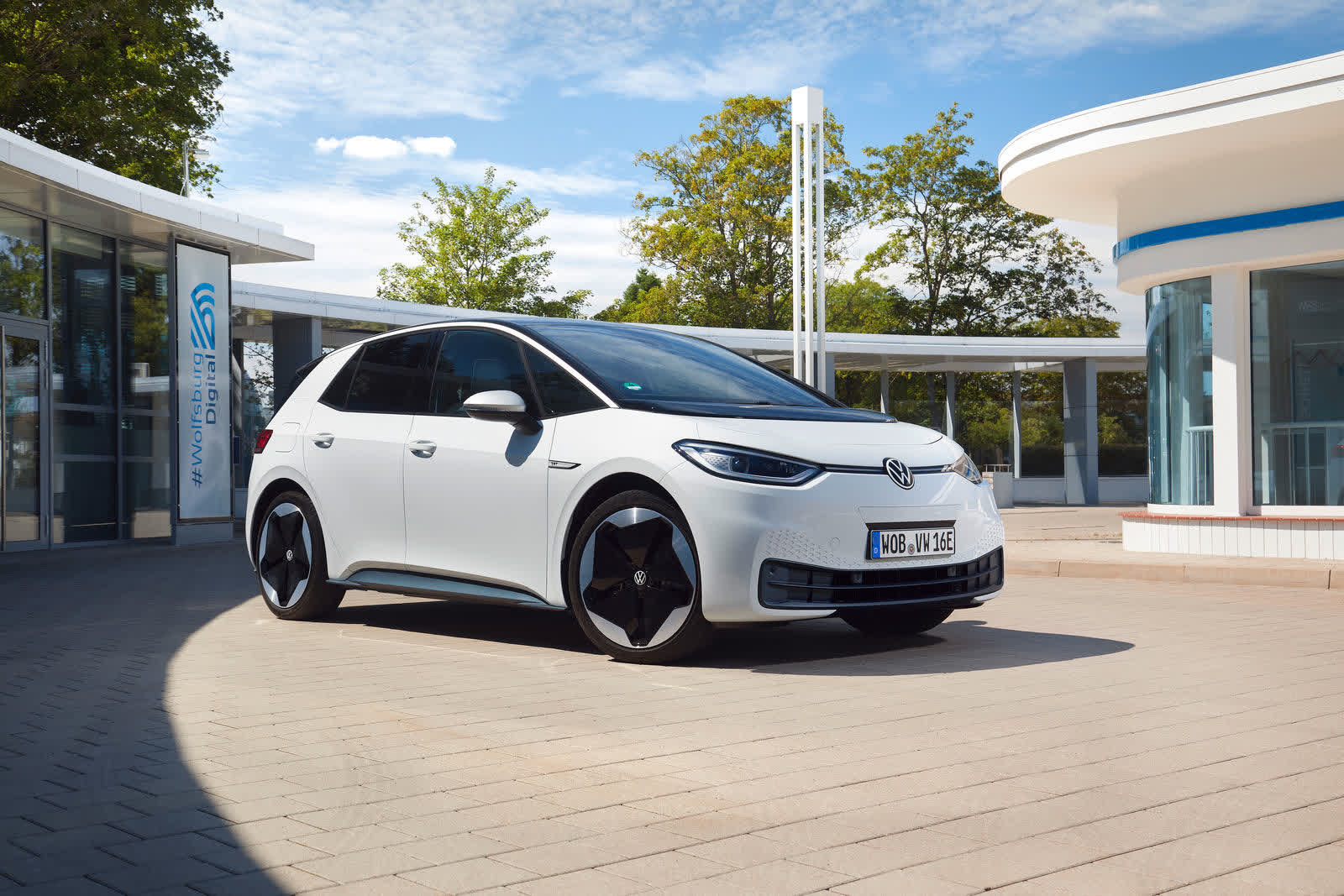
Auto Express reports that Volkswagen ID.3 drivers in the United Kingdom must now pay £16.50 ($22.32) per month to access the EV's full performance, totaling roughly £165 ($224) per year. A lifetime unlock option is also available for £649 ($880).
The company lists the Pro and Pro S models with 201 brake horsepower (bhp), but buying the upgrade boosts it to 228 bhp. The lifetime license remains with the car and transfers to new owners. Additionally, the vehicle is rated at 228 bhp from the factory, so the subscription does not affect insurance.
In 2022, Mercedes attempted to institute a similar paywall, charging an extra $1,200 per year to unlock full horsepower. It later slashed the price by more than 90 percent after customers showed little interest. By setting different prices for each model, the company hopes to acclimate drivers to paying for subscriptions.
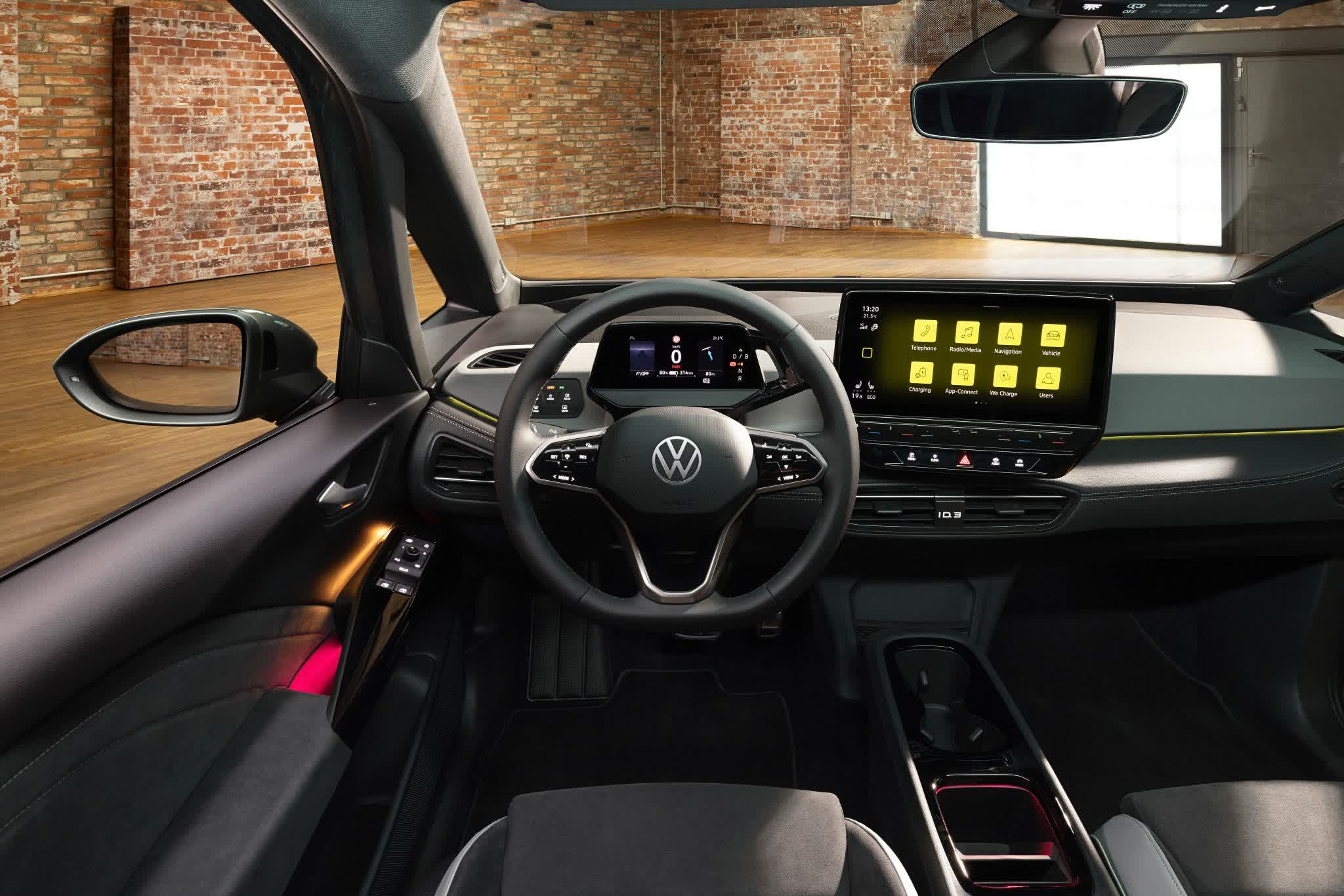
While BMW hasn't charged extra to unlock a vehicle's full performance, it puts features like heated seats, additional driver-assistance options, and map updates behind paywalls. In 2019, the company briefly tried to lock Apple CarPlay behind an $80 annual subscription but reversed course in less than a year.
These extra charges are likely unpopular because they unlock only software updates for existing components rather than providing physical upgrades. Volkswagen's rating of the ID.3 at full horsepower from the factory – not when customers buy subscriptions – reinforces this point.
Hackers have proven they can bypass software restrictions in other EVs, suggesting that owners could eventually jailbreak their Volkswagen's performance paywall. In 2023, researchers exploited an unpatchable hardware flaw to unlock a Tesla's premium features. Other hackers have demonstrated the ability to assume near-total control over EVs. For example, researchers recently uncovered a vulnerability that allows remote control of a 2020 Nissan Leaf, indicating that bypassing a performance paywall could be trivial.
Despite the unpopularity of subscriptions and microtransactions, General Motors, Stellantis, and Ford have shown interest, aiming to generate tens of billions of dollars in additional revenue by the end of the decade.
Volkswagen locks extra speed behind subscription: microtransactions for cars


