In a nutshell: Google's latest expansion of its YouTube auto-dubbing technology incorporates lip-sync functionality, aiming to fix a long-standing issue with machine-translated video content. Announced at the 'Made on YouTube' event this month, the feature is designed to make translated videos look and sound more natural, while making content more accessible to viewers around the world.
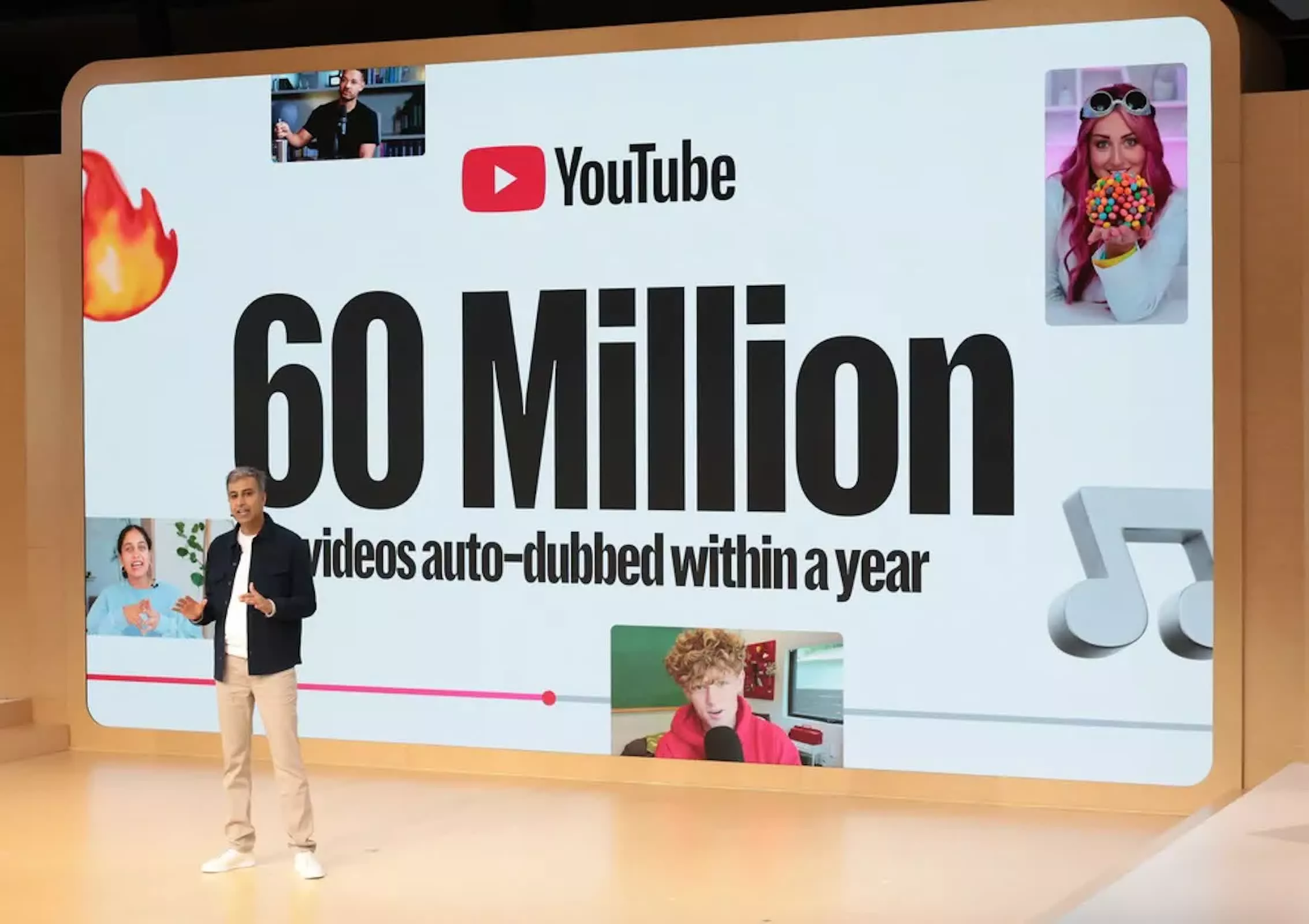
The technology will initially roll out in 20 languages, including English, German, French, and Spanish, with additional languages expected in the coming months.
YouTube's auto-dubbing and auto-translation systems have long been controversial due to their automatic re-rendering of original media into localized formats, affecting both titles and audio tracks.
Many viewers have criticized these features, citing a preference for original versions and frustration over the lack of a universal option to disable automatic translations. Multilingual users, in particular, have expressed dissatisfaction when AI-generated translations fail to match the quality of human translation.
Currently, there is no global setting to turn off auto-dubbing, forcing users to manually adjust audio track settings for each video. This limitation has led to the creation of browser extensions like YouTube Anti-Translate, which block unwanted translation and dubbing layers.
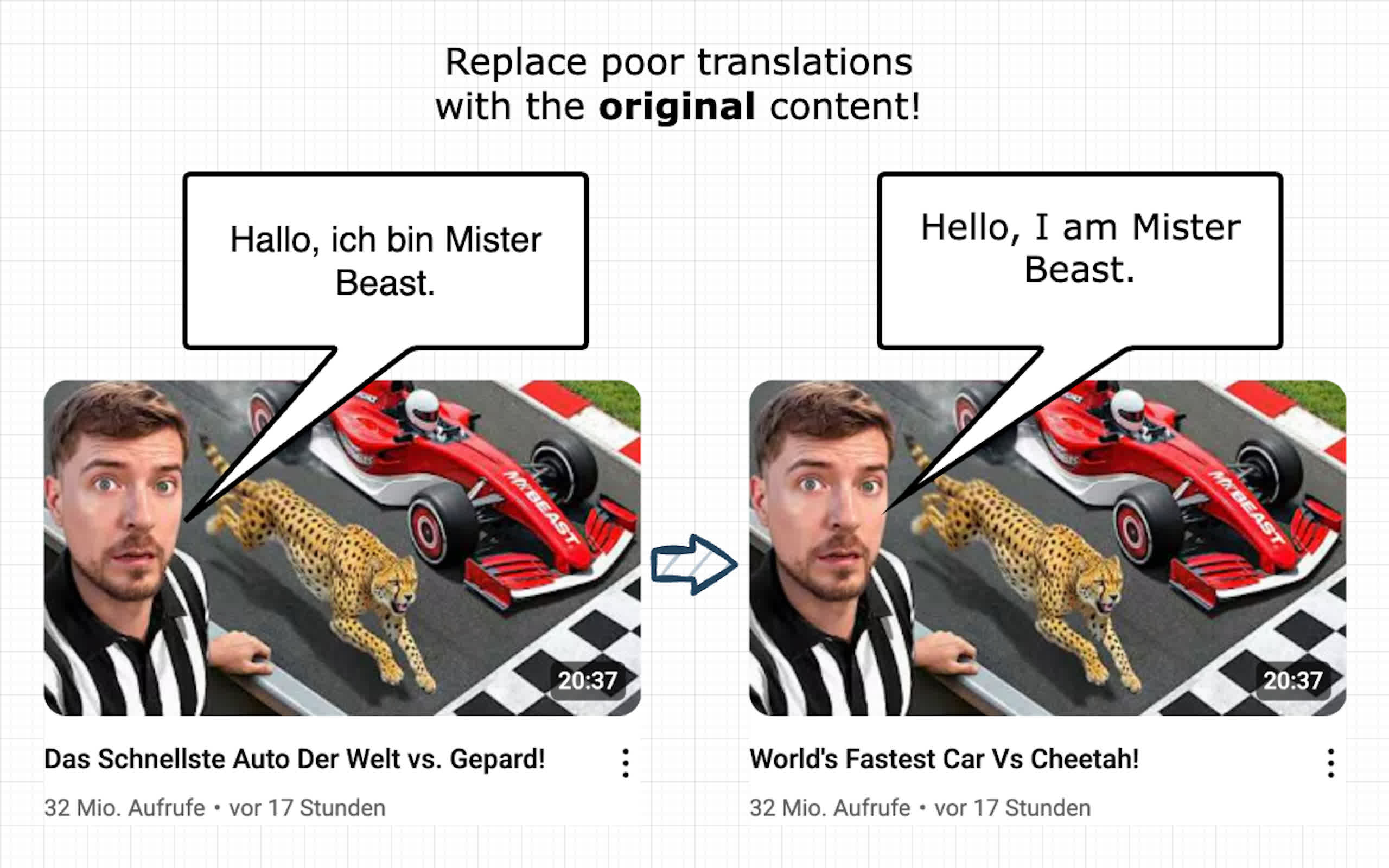
YouTube's new lip-sync feature specifically addresses one of the most common complaints about dubbing: mismatched audio and mouth movements. The system uses AI to visually synchronize a speaker's lip movements with the generated audio track, creating a more seamless viewing experience.
Creators can opt in to the lip-sync auto-dubbing feature through YouTube Studio. The initial testing phase will focus on members of the YouTube Partner Program. While participation is currently voluntary, Google may eventually expand or automate the feature for a broader range of videos.
... some channels have tripled their non-native language viewership after adopting multilingual audio tracks (according to Google).
The multi-language dubbing initiative relies on proprietary AI models – reportedly including Gemini and Aloud – to generate translated audio, replicate the speaker's tone and emotion, and separate vocal tracks from background sounds. Early tests with select creators have shown promising results, with some channels tripling their non-native language viewership after adopting multilingual audio tracks.
However, the system remains divisive. Supporters point to the potential for greater reach and revenue for creators and advertisers, while critics argue that automated dubbing diminishes the authenticity of the original content. Whether lip-sync technology can fully bridge the gap between AI-dubbed and original videos remains to be seen.


