What just happened? Engineers at the University of California, Santa Cruz, have developed a method for measuring heart rates that requires no wristband, smartwatch, or medical device. Instead, the system relies only on the radio signals sent and received by standard WiFi equipment – an approach the research team says could make health monitoring easier and far more accessible.
The project, called Pulse-Fi, was presented at the 2025 IEEE International Conference on Distributed Computing in Smart Systems and the Internet of Things. Led by Professor of Computer Science and Engineering Katia Obraczka, together with doctoral student Nayan Bhatia and visiting high school researcher Pranay Kocheta, the team set out to prove that everyday WiFi networks could be repurposed to track health signals with clinical accuracy.
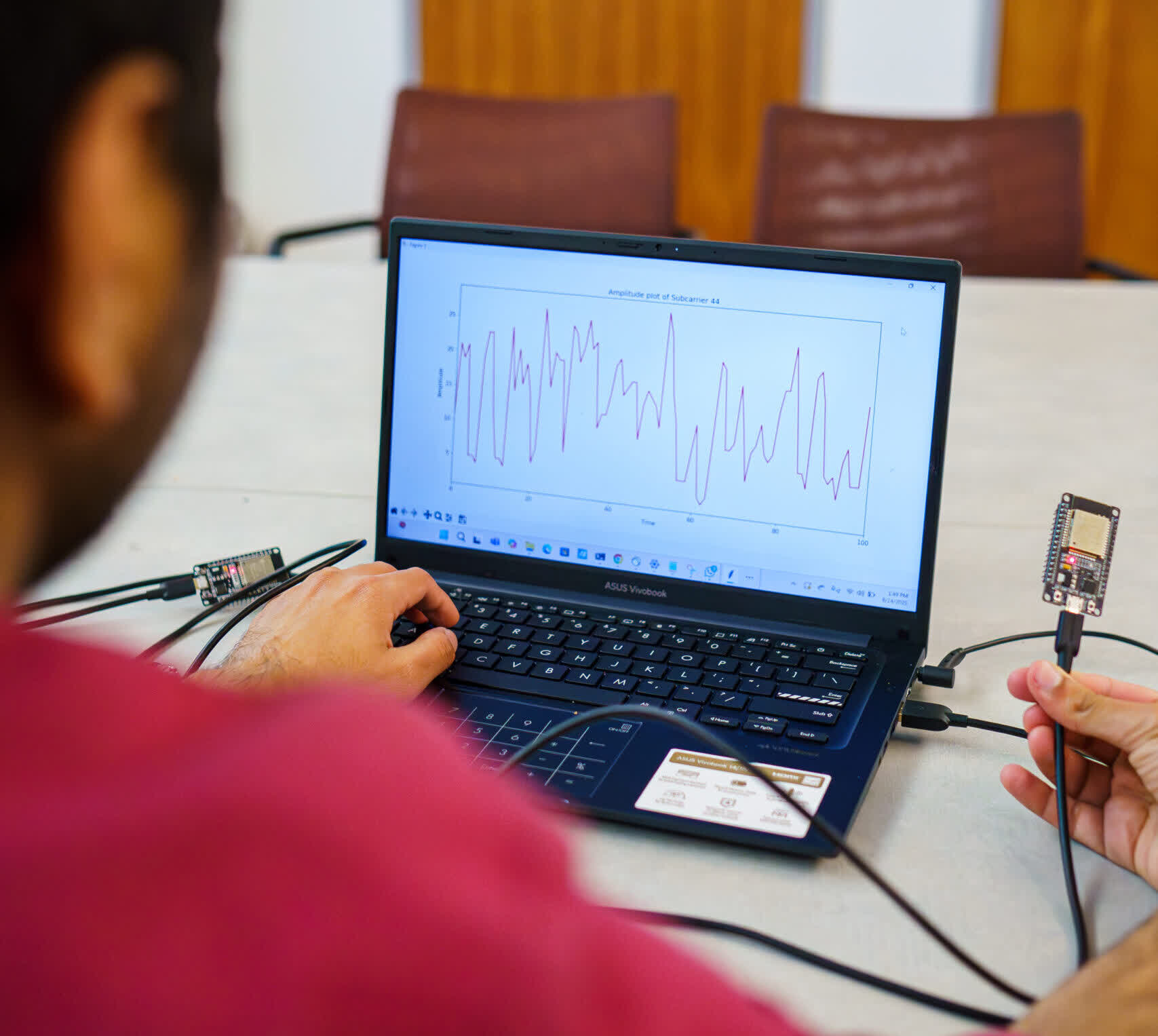
Their system uses the properties of WiFi radio waves, which shift subtly as they pass through people and objects in a room. By pairing an inexpensive WiFi transmitter and receiver with a machine learning algorithm, the researchers were able to isolate signal variations caused by heartbeats, while filtering out interference from movement or environmental changes. "The signal is very sensitive to the environment, so we have to select the right filters to remove all the unnecessary noise," Bhatia explained.
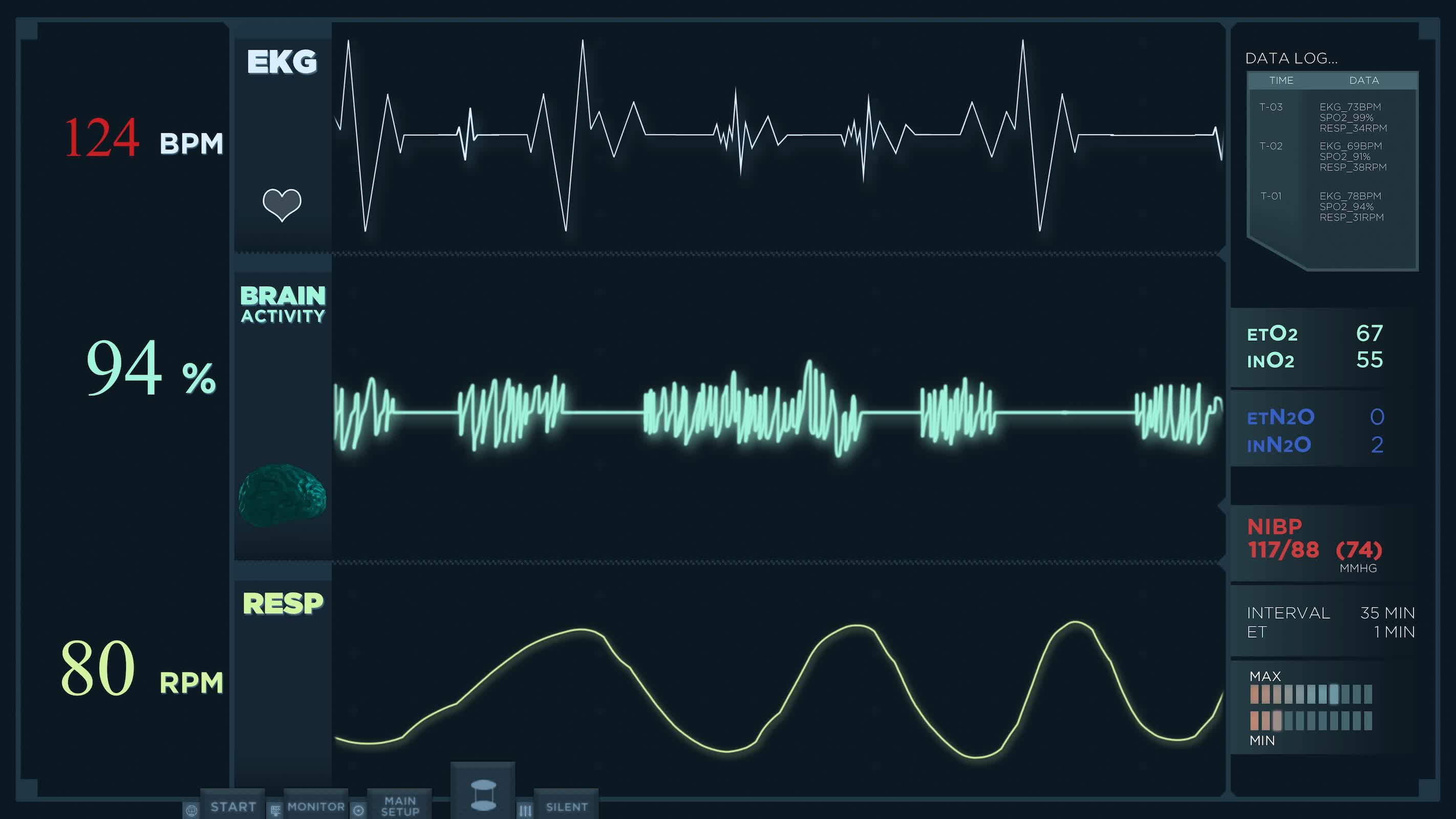
The researchers evaluated Pulse-Fi with 118 participants. After only five seconds of monitoring, the system measured heart rate with an average error of just half a beat per minute, and longer monitoring times improved results further. Each subject was observed in 17 different body positions – including standing, sitting, lying down, and walking – to test the robustness of the system. Pulse-Fi consistently held accuracy across this range.
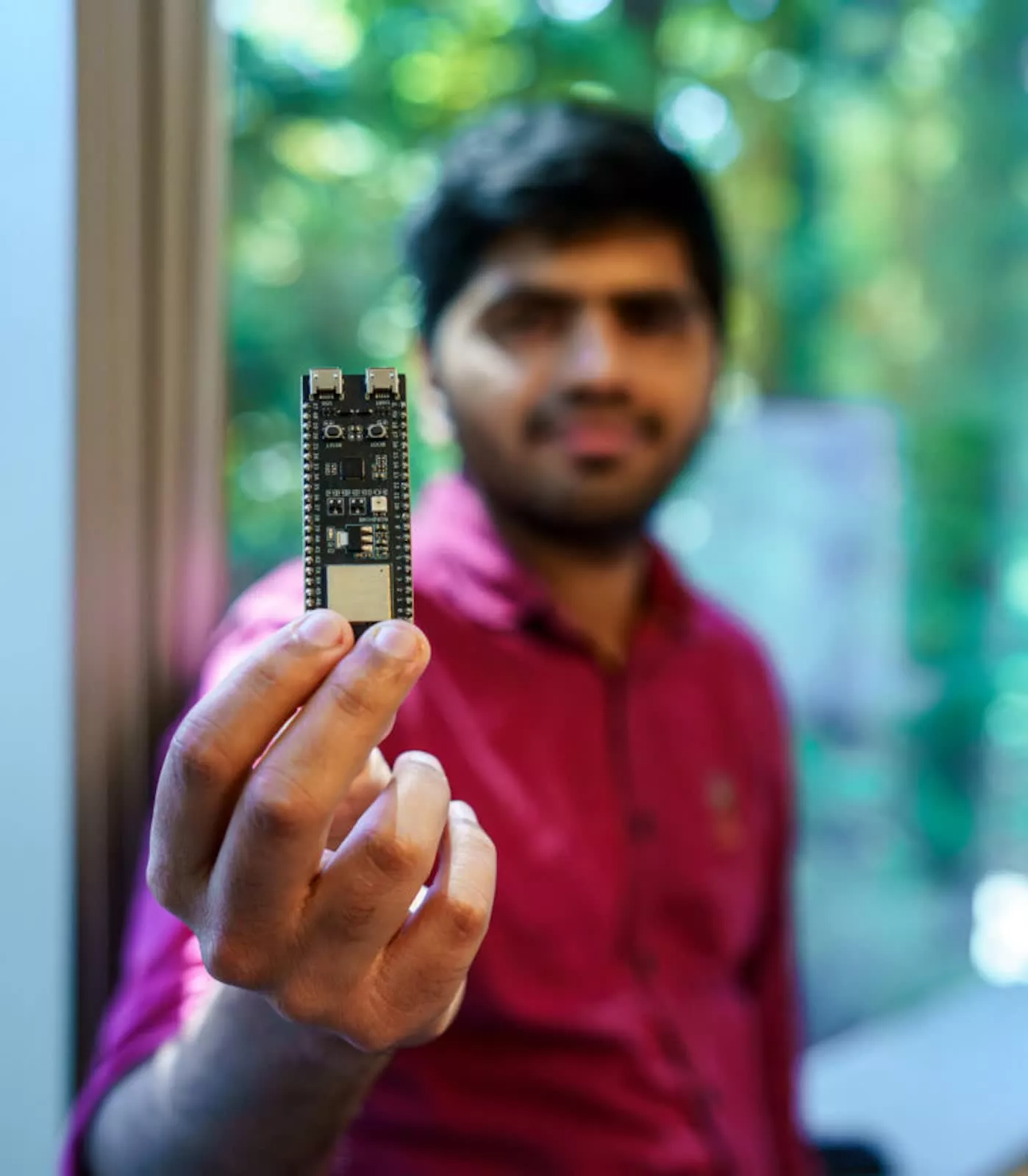
The setup required only low-cost hardware: ESP32 chips that cost as little as $5, along with pricier but still accessible Raspberry Pi boards priced around $30. Both devices performed well, with Raspberry Pi systems showing stronger accuracy. Tests indicated that commercial WiFi routers would likely improve performance further. The system also proved reliable at a distance of up to three meters, nearly ten feet, with preliminary experiments suggesting potential for even longer ranges.
Kocheta noted that earlier approaches to WiFi-based monitoring often struggled with consistency when distance or body position changed, but Pulse-Fi's machine learning model removed these limitations. "What we found was that because of the machine learning model, that distance essentially had no effect on performance," he said.
To make the system functional, the researchers first needed to generate training data for the algorithm. They created a dataset by installing ESP32 devices in the UC Santa Cruz Science and Engineering Library and collecting simultaneous readings from a standard medical oximeter, which provided the "ground truth" for heart rates. This allowed the neural network to learn which signal variations corresponded to individual heartbeats.
In addition, the team incorporated an existing dataset compiled by researchers in Brazil using Raspberry Pi equipment, considered the most extensive WiFi-based vital sign dataset available. Combining the two sources gave Pulse-Fi both breadth and precision in its ability to recognize heart signals.
While the initial findings focused on heart rate, the Santa Cruz team is already testing ways to use the system for other health measures. Early, unpublished work suggests WiFi signals could also detect breathing rate and even conditions such as sleep apnea. If these applications continue to prove accurate, Pulse-Fi could become a low-cost, non-intrusive tool for home health monitoring and clinical care in settings with limited access to medical technology.