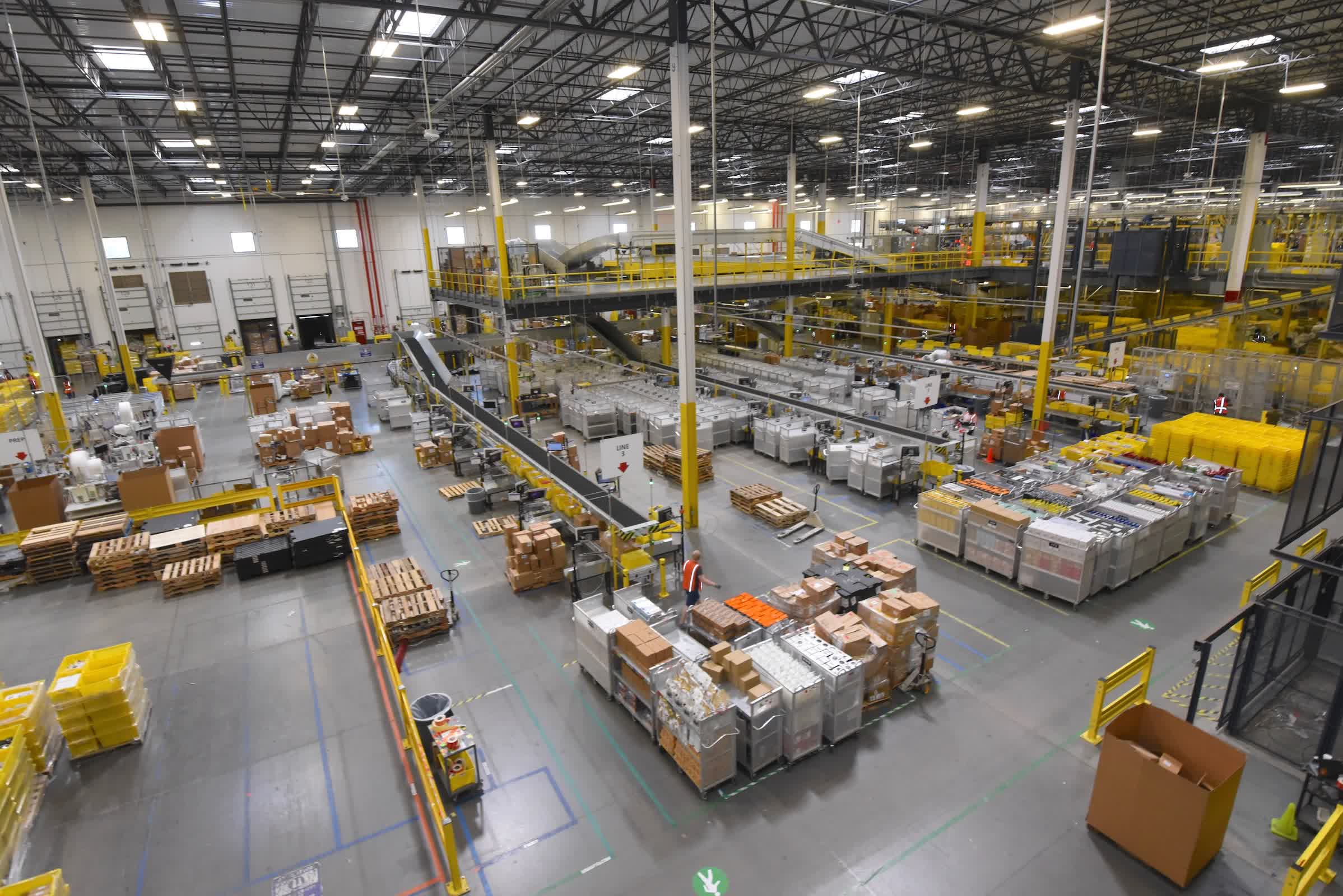
In context: Amazon is aiming to strengthen its standing as a logistics partner for retailers of all sizes – even those whose online operations compete directly with its own. The delicate balance with Walmart shows how both companies are navigating the blurred lines between marketplace rivals and supply-chain collaborators.
Amazon is moving deeper into the logistics arena by enabling merchants to use its delivery network to fulfill purchases made on Walmart.com, extending its reach into the core territory of one of its biggest competitors.
The change was announced during the company's Accelerate seller conference as part of an expansion of its Multichannel Fulfillment program, which already covers platforms such as eBay, Etsy and Temu but had previously required workarounds for Walmart orders.
The new system allows Walmart sellers to connect their sales directly to Amazon's infrastructure rather than relying on manual processes. Dharmesh Mehta, Amazon's vice president of selling partner services, described the shift as a streamlined integration, noting that "anytime you get a Walmart order, we'll just fulfill it."
While the move reflects significant cooperation in practice, Amazon and Walmart are not operating as formal partners. Walmart has not announced any direct agreement with Amazon and continues to promote its own in-house e-commerce logistics program, Walmart Fulfillment Services. Instead, Walmart leaves the decision up to merchants, who can choose Amazon's network if they believe it offers stronger efficiency or reach.
In 2024, commissions, fulfillment fees, shipping services and related offerings generated $156 billion for Amazon, nearly one-fourth of its $638 billion in total revenue.
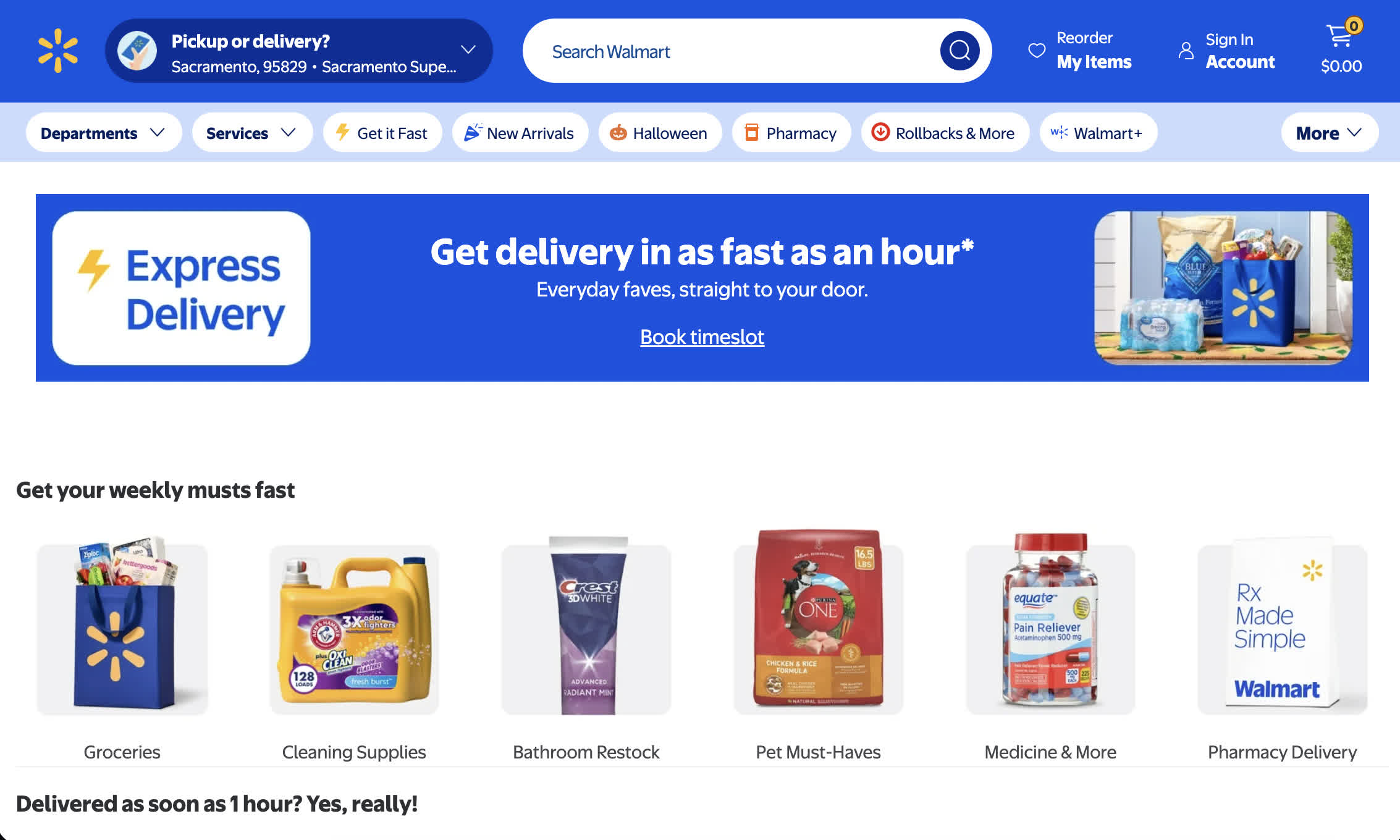
For shoppers, the crossover is not immediately visible. Walmart requires that marketplace orders avoid Amazon-branded boxes to prevent confusion or the perception that it is outsourcing shipping to a rival. These items also ship without Walmart's own logo, arriving in plain, unbranded packaging.
Amazon is applying the same approach to other competing channels. Later this year, it plans to extend Multichannel Fulfillment to orders from the fast-fashion marketplace Shein, while also expanding support for merchants on Shopify.
By doing so, Amazon positions itself against standalone logistics providers such as ShipBob, FedEx, UPS, and DHL, as well as the fulfillment programs that Walmart and Shopify have built for their own sellers.
The expansion underscores Amazon's strategy of presenting itself as a neutral logistics backbone that extends beyond its retail platform. By integrating orders from competing marketplaces into its network, Amazon is seeking to grow service revenue from third-party sellers, one of its most important business segments.
In 2024, commissions, fulfillment fees, shipping services and related offerings generated $156 billion for Amazon, nearly one-fourth of its $638 billion in total revenue.