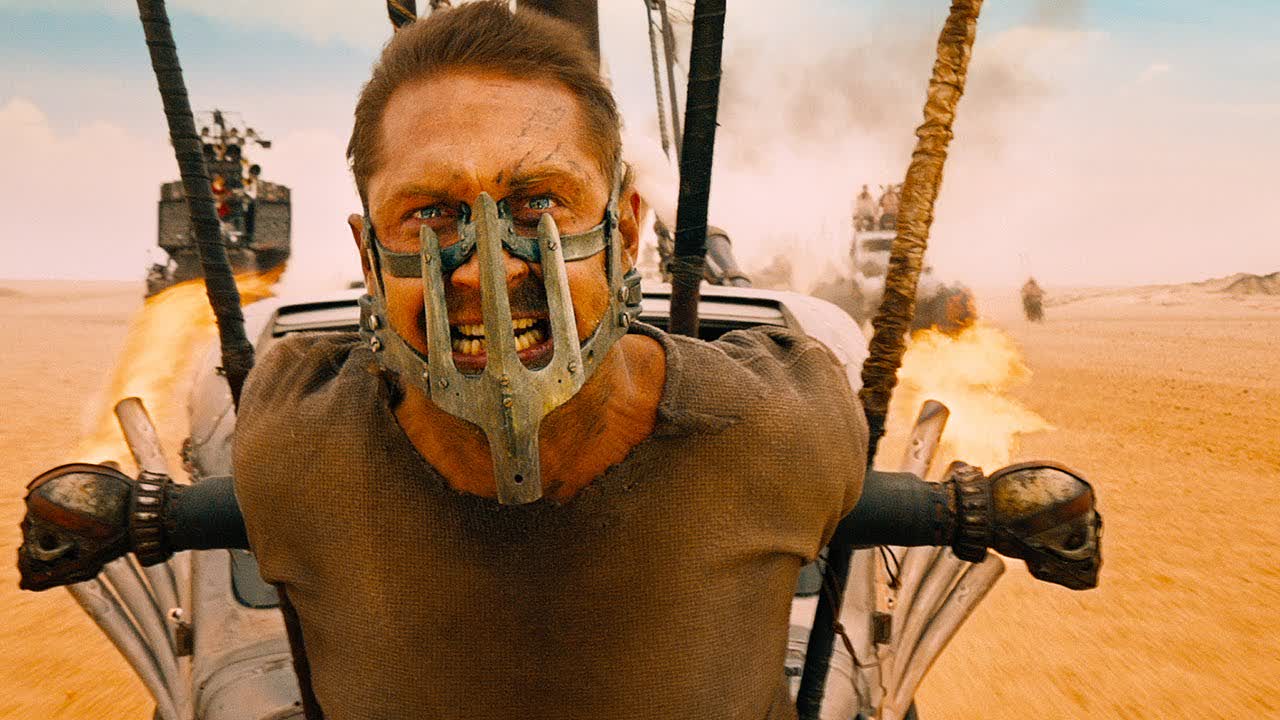
WTF?! What do you do if your electric vehicle company is under constant scrutiny from regulators over its safety record and dealing with multiple wrongful death lawsuits? If you're Tesla, it's to bring back "Mad Max" mode for the Full Self Driving System that breaks speed limits and adds more frequent lane changes.
After releasing the FSD v14 update last week that included a Sloth Mode for those who prefer to drive at a less life-threatening speed, Tesla has now released FSD v14.1.2, which features the antithesis of Sloth Mode: Mad Max.
As reported by Electrek, this isn't the first appearance of the Mel Gibson/Tom Hardy character for Tesla. Mad Max Mode was first introduced as part of Autopilot in 2018, before FSD. At the time, Elon Musk said it would offer more aggressive lane changes and could navigate more challenge traffic situations. Rather than being used to deal with Lord Humungus/Immortan Joe, Musk mentioned the mode being ideal for use in Los Angeles.
It seems that the new Mad Max Mode has a similar disregard for the rules of the road. Within 24 hours of launch, it has already been spotted rolling stop signs and driving more than 15 mph over the speed limit.
Tesla is facing, or has recently faced, a number of lawsuits and regulatory actions related to its Autopilot/FSD systems. These include a class action over misleading claims and false advertising claims from the California DMV.
There was also a lawsuit in Florida that saw a federal jury award $243 million in damages for a 2019 crash of a Model S with Autopilot engaged. It was one of several similar suits that have been brought against the EV giant.
Tesla's FSD/Autopilot and related systems have been subject to several NHTSA investigations. In 2024, a report from the NHTSA linked Tesla's Autopilot systems to nearly 1,000 crashes from the last few years, over two dozen of them fatal.
Tesla's official materials consistently emphasize that FSD is a supervised assistance system, not full autonomy, and that the driver must remain engaged. The company's official position is that the human driver retains ultimate responsibility – to stay attentive, keep hands on the wheel, be ready to intervene, control speed, and not treat the system as "self-driving," despite the system's name.
According to Slingshot Strategies' Electric Vehicle Intelligence Report for August, which surveyed more than 8,000 Americans, only 14% of consumers say FSD makes them more likely to buy a Tesla vehicle. About a third of participants (35%) said it makes them less likely to do so, while 51% said it makes no difference.