
Forward-looking: Ultraviolet radiation is essential for etching advanced computer chips but dangerous for human skin under prolonged exposure. Korean researchers have developed a new approach that could make skin-cancer prevention easier and more accessible – and that may be only the beginning.
Researchers at Kyung Hee University in South Korea have unveiled a new ultraviolet photodetector designed to improve protection against excessive UVA exposure. The fully transparent device measures UVA levels in real time and transmits an electrical signal to an external monitoring system, such as a phone app.
Ultraviolet A radiation can penetrate human skin and damage cellular bonds, leading to potentially harmful effects such as premature aging and cancer, the researchers explain. Monitoring UVA exposure is essential to skin health, which is why the team aims to make this technology as widespread and accessible as possible.
Detectors for harmful sun radiation are not a new concept, but they are typically embedded in opaque wearables that provide unreliable measurements. The new photodetector is transparent and lightweight, allowing it to be easily integrated into smartwatches, bracelets, or even wearable "smart" apparel.
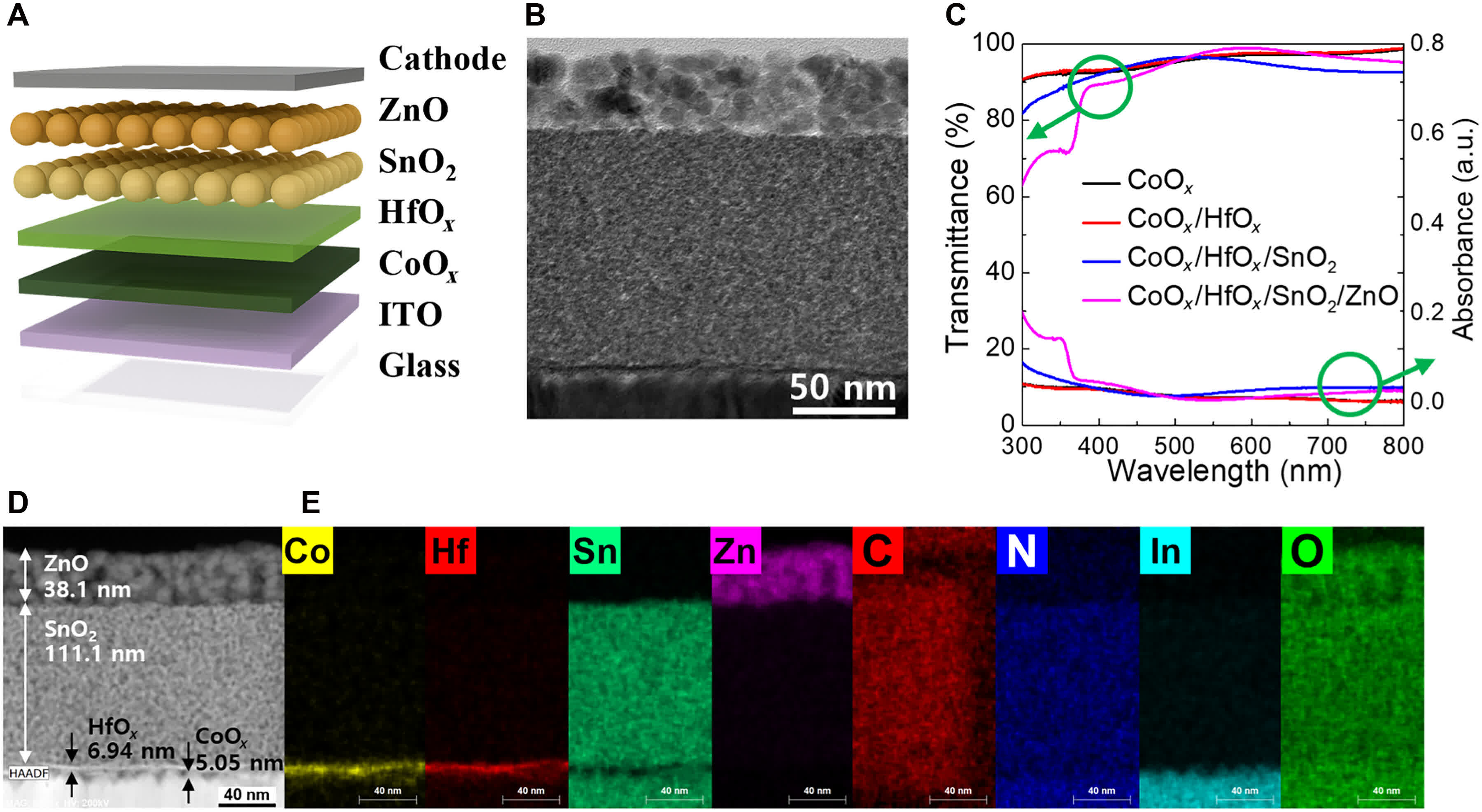
The Korean team led by Professor Kang Sung-jun began developing the new detector using a transparent glass substrate. They then added transparent oxide semiconductor components designed to respond only to UVA radiation. Finally, a layer of indium tin oxide served as the device's electrical circuit.
Harmful UVA light ranges from 315 to 400 nanometers in wavelength. The prototype achieves high transmittance in the visible spectrum while selectively detecting UV radiation, with a peak response between 340 and 350 nanometers.
The team connected the device to a circuit board to amplify UVA signals, while a Bluetooth chip transmitted real-time data to a smartphone. Kang told New Atlas that the photodetector could become an integral part of next-generation wearable devices, offering new ways to monitor and manage ultraviolet exposure during outdoor activities. It is easy to imagine Apple incorporating this technology into a future iteration of the Apple Watch Ultra.
The researchers designed the transparent sensor to provide early warnings of unhealthy UVA exposure, helping users take preventive measures against cancer and other skin-related issues. The technology is also seen as a potential boost to South Korea's competitiveness in the transparent electronics and optical sensor industries, suggesting it could become a significant innovation in the coming years.