
Editor's take: For years, tech companies and real estate agents have sold the promise of the fully automated smart home – a space where voice-activated lights, cameras, and climate systems work seamlessly together. But in 2025, a growing share of homeowners seem to be moving in the opposite direction. The same technologies that once promised convenience and control are now being reassessed, as many Americans reconsider what kind of home feels most
Rising costs, privacy concerns, and digital fatigue are fueling an unexpected "dumb home" movement, where simplicity is part of the appeal. Beth McGroarty, vice president of research at the Global Wellness Institute, told Axios that homeowners are moving from "NASA-style setups" toward manual switches, dials, and mechanical controls. The trend, she said, reflects a broader "analog wellness" mindset – one focused on creating calmer, less connected living spaces.
Architect Yan M. Wang added that many clients now find constant background technology – from listening devices to smart sensors – more stressful than soothing. For them, designing homes that minimize digital presence has become essential to achieving a sense of restoration.
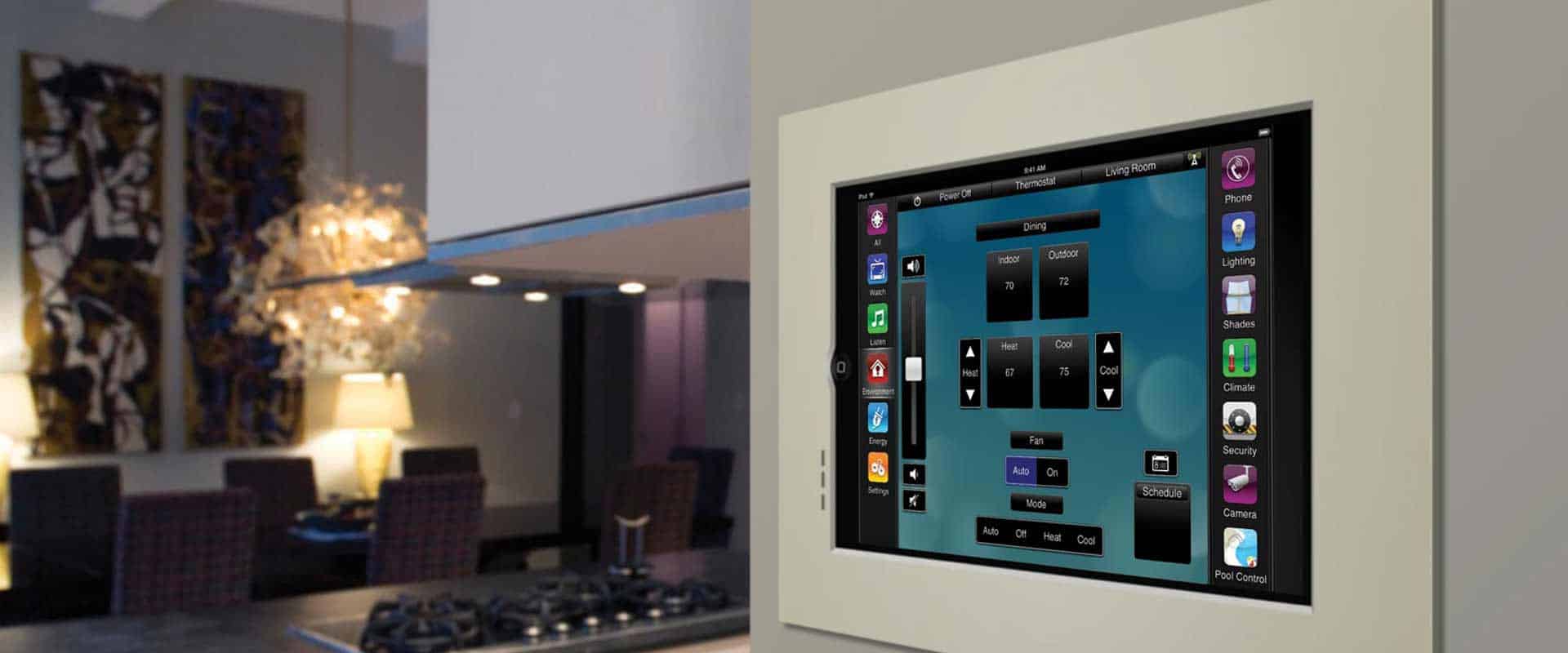
The financial side of the shift is also becoming clearer. Smart home technology is a $100 billion industry, but costs can quickly add up for consumers. Frequent software updates, device incompatibility, and short upgrade cycles make systems expensive to maintain. Some high-income buyers in Los Angeles have reportedly begun avoiding homes filled with Wi-Fi-enabled devices altogether, viewing them as unnecessary expenses that contribute little to resale value.
Data from Zillow underscores how buyers' priorities are changing. The company's 2026 Home Trends Report showed that mentions of "reading nooks" in home listings rose 48 percent compared with a year earlier. Zillow interprets the increase as a sign that people are now seeking spaces for "unplugged relaxation," where screens and automation play a minimal role. Dwell magazine also listed the decline of smart homes as a defining design trend for 2025 and beyond, citing growing interest in tactile, tech-free interiors.
The national mood surrounding connectivity has shifted beyond home design. Landline phones have seen a modest resurgence, according to The Washington Post, particularly among parents who want to limit their children's screen time. Even some members of Generation Z – who grew up with smartphones – are embracing retro telephones, a movement that The New York Post has described as both an aesthetic choice and a form of digital escape.

Still, the share of homes relying on landlines remains small. Federal data from the National Center for Health Statistics shows that by the end of 2024, roughly 79 percent of adults and 87 percent of children lived in wireless-only households – up from just 13 percent in 2006.
The move away from high-tech living isn't universal. Realtors say smart home features continue to add value in innovation-driven markets such as San Francisco and Austin, where buyers often expect advanced systems to be integrated into daily life.
However, Andrew Fortune, a Colorado brokerage owner, told Realtor.com earlier this year that in second-home and leisure markets, the return on investment for home automation features has been inconsistent. Buyers in those areas, he said, are often looking for the opposite: properties designed as a refuge from constant connectivity.