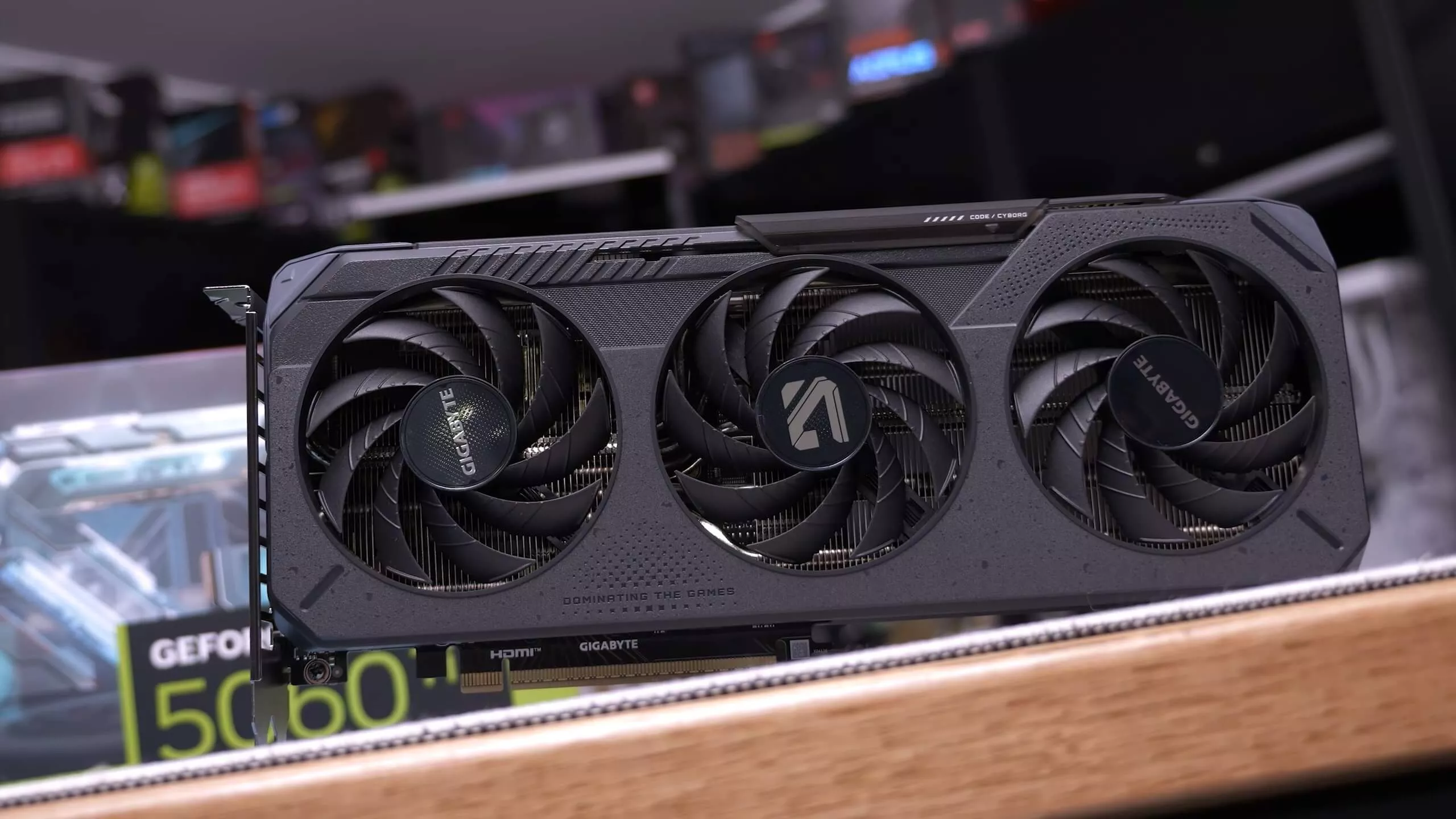
Ripple effect: The rising price of memory is quickly turning from a concerning issue into a crisis on the scale of the Covid-era chip shortage. With the RTX 5000 Super line now seeming delayed – if not canceled entirely – due to the shortages, there are new reports that Nvidia and AMD could reduce production of their low- to mid-range graphics cards, perhaps discontinuing some of the lower-priced GPUs, while simultaneously hiking prices across the board.
According to the Korea Economic Daily (highlighted by Jukan on X), Nvidia and AMD are considering discontinuing their cheaper gaming GPUs where memory costs account for a large share of the bill of materials (BOM).
– Jukan (@Jukanlosreve) November 18, 2025
The report comes just after we saw posts on Chinese social media site Weibo claiming AMD is planning to hike the prices of its graphics cards. AMD previously introduced an increase for its industry customers that hasn't affected retail prices, but the new "second wave" of increases for both GPUs and graphics memory will be even larger and likely lead to higher end-market prices. Morevoer, if AMD does it, expect Nvidia to do the same.
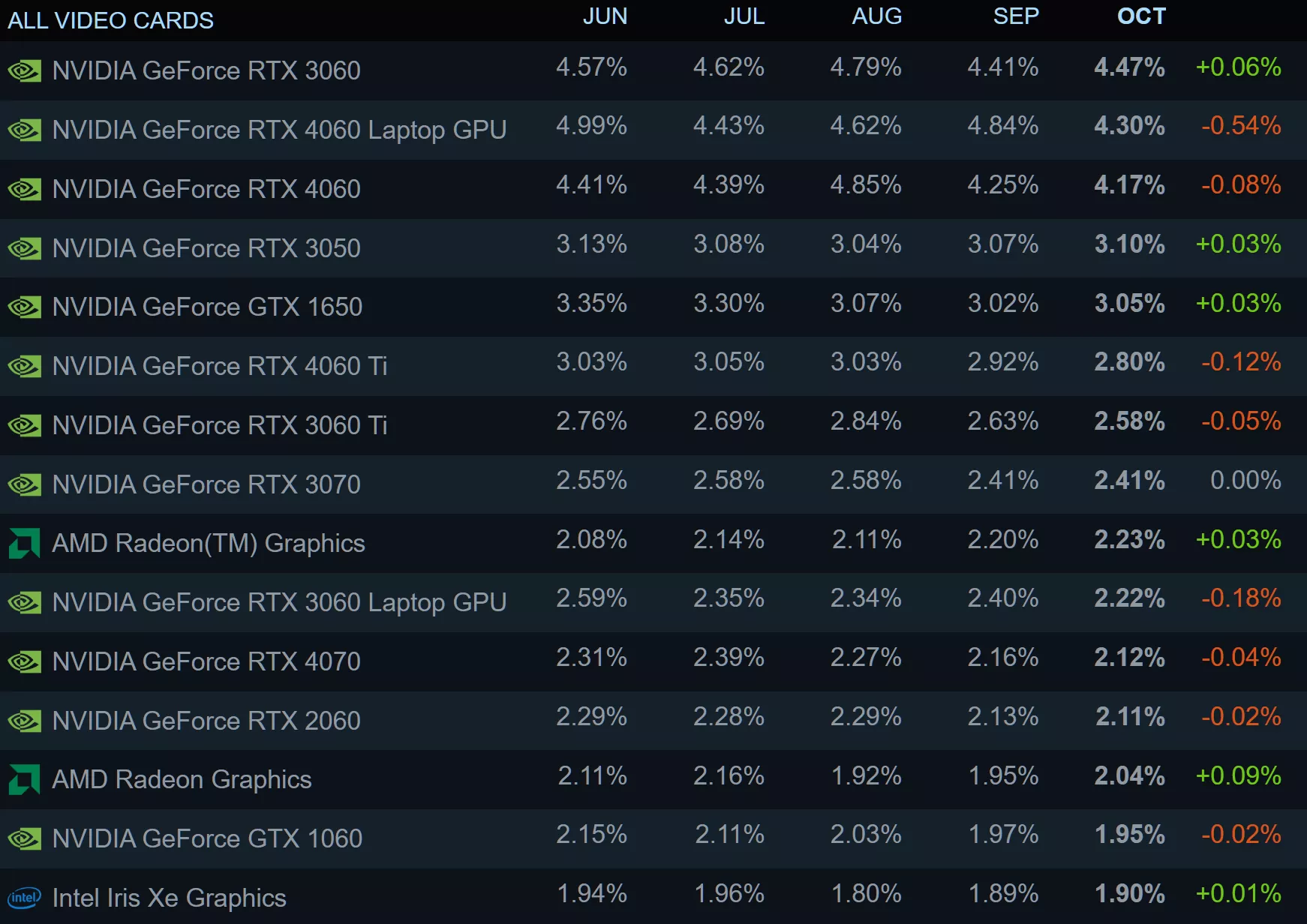
As illustrated by the Steam survey, mid- to lower-end graphics cards are the most popular products among PC gamers, taking the majority of the top spots on Valve's table. A price increase or ending lines entirely, especially during these times of economic uncertainty, is a nightmare scenario. The closeness to the holiday season makes it an even bitterer pill to swallow.
It's not just graphics cards being affected. Commercial Times writes that some motherboard makers and notebook ODM vendors have paused new motherboard development or mass production. Smartphones and tablets could also be impacted, while DDR5 prices have doubled.
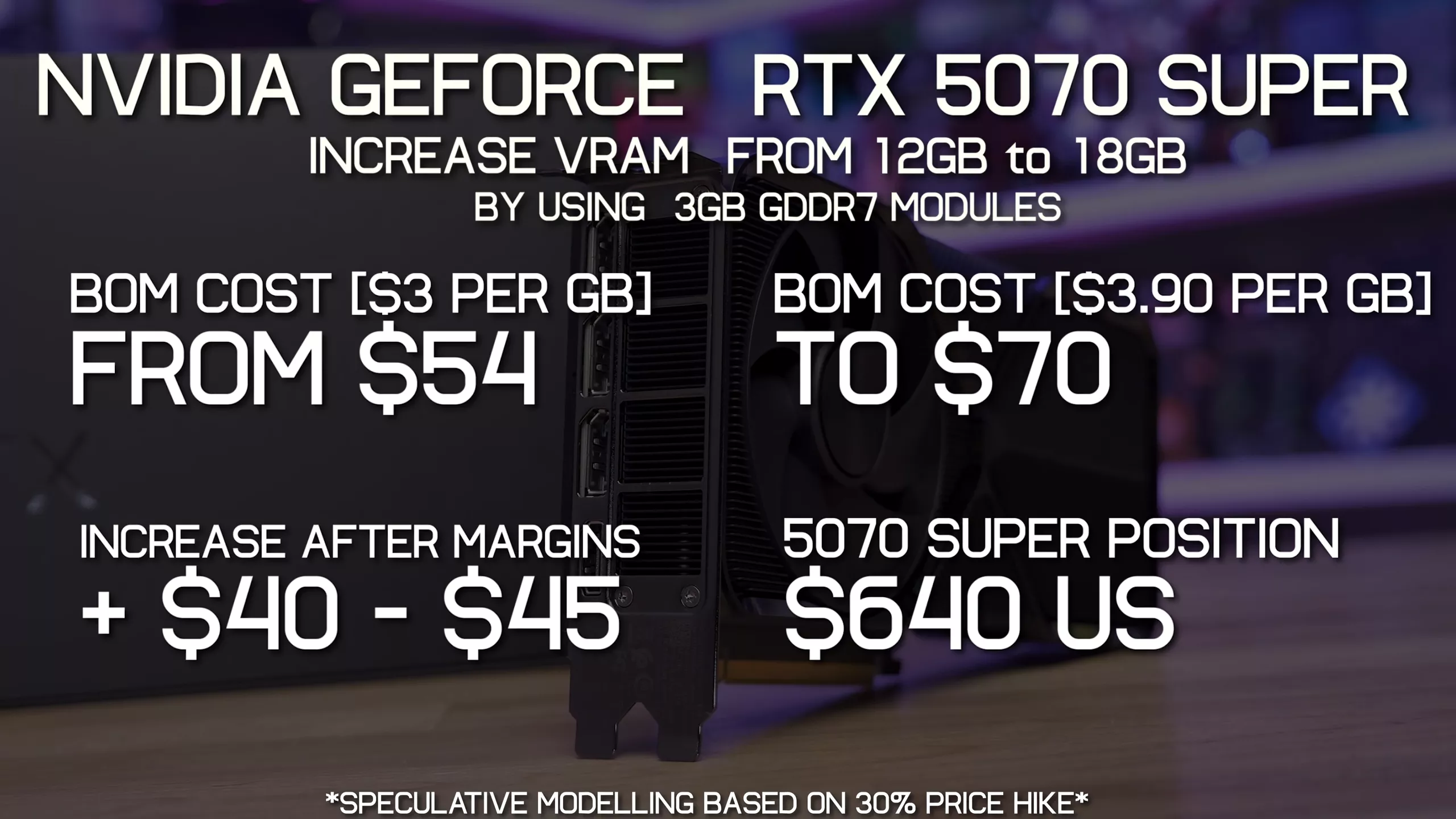
The RTX 5000 Super line was rumored to pack more VRAM, an area where Nvidia has been repeatedly criticized. But with GDDR7 prices shooting up, Nvidia would have to price the cards much higher than their non-Super versions, which would cause a lot of outcry. Team Green appears to have opted to delay or cancel the new product line instead.
As noted in our feature on the issue, recent deals between AI companies and data-center builders have set aggressive timelines to construct gigawatts of data-center capacity in just 2 to 3 years. AI data centers require massive amounts of DRAM to meet the memory needs of modern AI models, especially on GPUs.
This means memory supply and future manufacturing has already been bought out. GDDR memory shares manufacturing capacity with other types of DRAM, so when manufacturers prioritize AI products, consumer-focused memory supply takes the hit.