
Ripple effect: Senate Republicans are preparing to press the auto industry on the cost and effectiveness of federally mandated safety technologies, setting up a January hearing that will test how far lawmakers are willing to revisit long-standing assumptions about vehicle safety rules. At stake are not only the mandates for automatic emergency braking and rear-seat child alerts, but also the broader direction of US regulation as Congress weighs whether to emphasize advanced driver-assistance and autonomous systems over prescriptive hardware requirements.
The Senate Committee on Commerce, Science, and Transportation has scheduled a Jan. 14 hearing, chaired by Sen. Ted Cruz of Texas, to examine how government mandates and environmental rules are affecting the price of new cars and trucks.
Chief executives from General Motors, Ford, and Stellantis, along with a senior Tesla executive, have been called to testify about why the average transaction price for a new vehicle in the US has climbed to around $50,000.
Cruz has framed the session as a response to voter concerns about affordability, arguing that mandated safety and emissions technologies have pushed vehicles out of reach for many households. Committee Republicans plan to use the hearing to say that the most transformative US safety gains came from earlier generations of regulation, such as mandatory seat belts and structural crashworthiness standards adopted between the 1960s and 1980s, and that incremental benefits from newer sensor-based systems are smaller and more costly to achieve.
They are expected to contend that complex electronics can be unreliable in real-world conditions, expensive to repair after a crash, and susceptible to false positives that erode driver trust.
The hearing will also revisit the political fight over environmental rules, including the rollback of federal and state electric-vehicle mandates and fuel-economy standards that Republicans and automakers said forced companies toward higher-priced EVs and related components. Lawmakers on the committee have signaled they will link those debates directly to safety technology, arguing that a growing number of mandated systems compounds cost pressures.
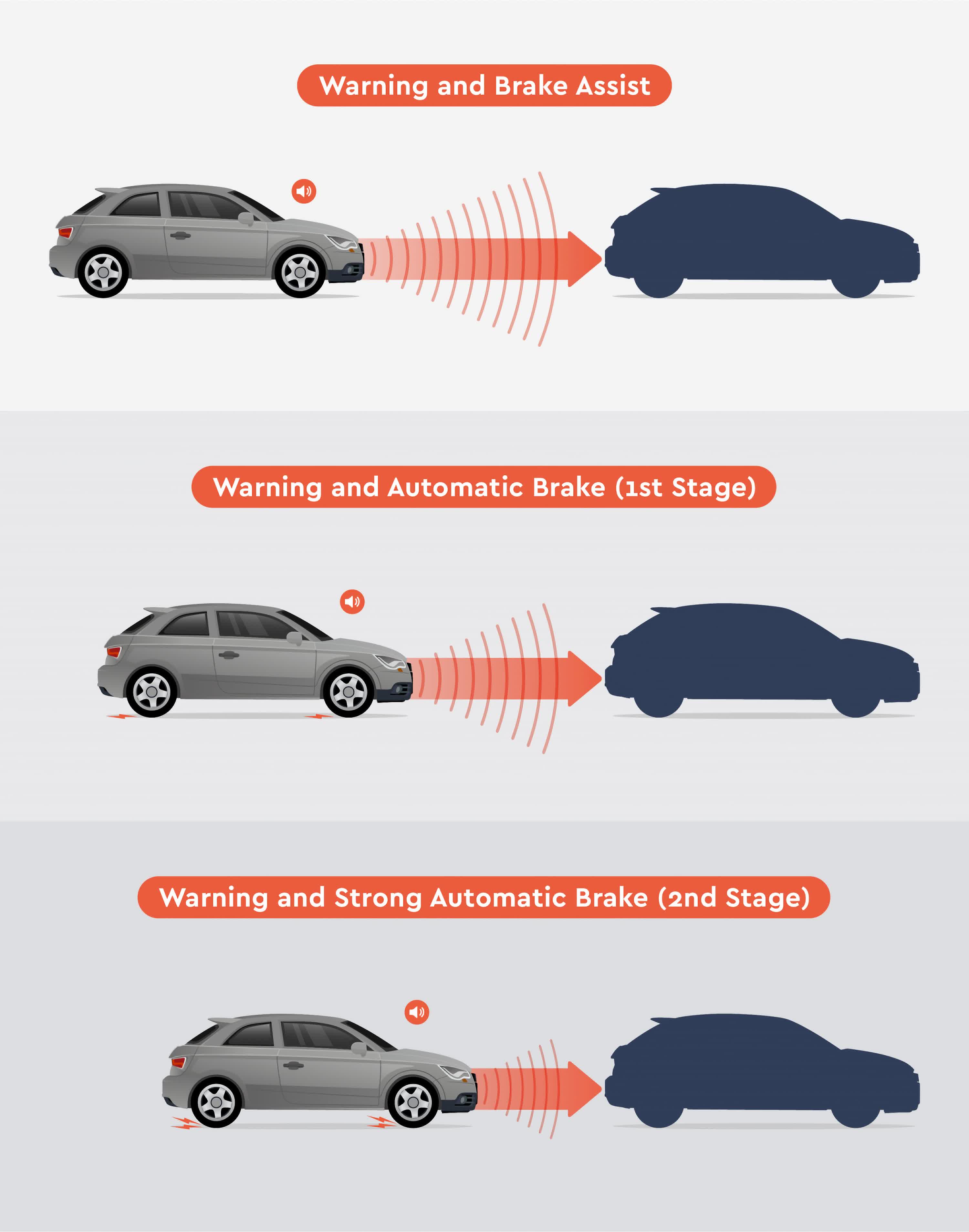
Automatic emergency braking, or AEB, sits at the center of the technical dispute. NHTSA finalized Federal Motor Vehicle Safety Standard No. 127 earlier this year, requiring that nearly all new passenger cars and light trucks sold in the US be equipped with AEB systems by the 2029 model year, with an extra year for small-volume manufacturers.
The rule sets performance thresholds rather than dictating a single design, but in practice, it assumes a sensor suite that typically includes forward-facing cameras, radar units, and control software integrated into the vehicle's electronic braking system.
Because many new vehicles already ship with some form of forward collision warning or limited AEB, regulators estimate that much of the incremental cost of meeting the new rule will come from software upgrades rather than full hardware redesigns.
The January hearing will also spotlight rear-seat reminder and child-presence detection systems. These systems fall into several technical categories: some rely on software that tracks door opening and ignition cycles and then triggers a visual or audible reminder when the engine is turned off; more advanced versions use pressure sensors in seats, ultrasonic or radar sensors in the cabin, or in-cabin cameras to detect movement or the presence of a child and escalate alerts accordingly.
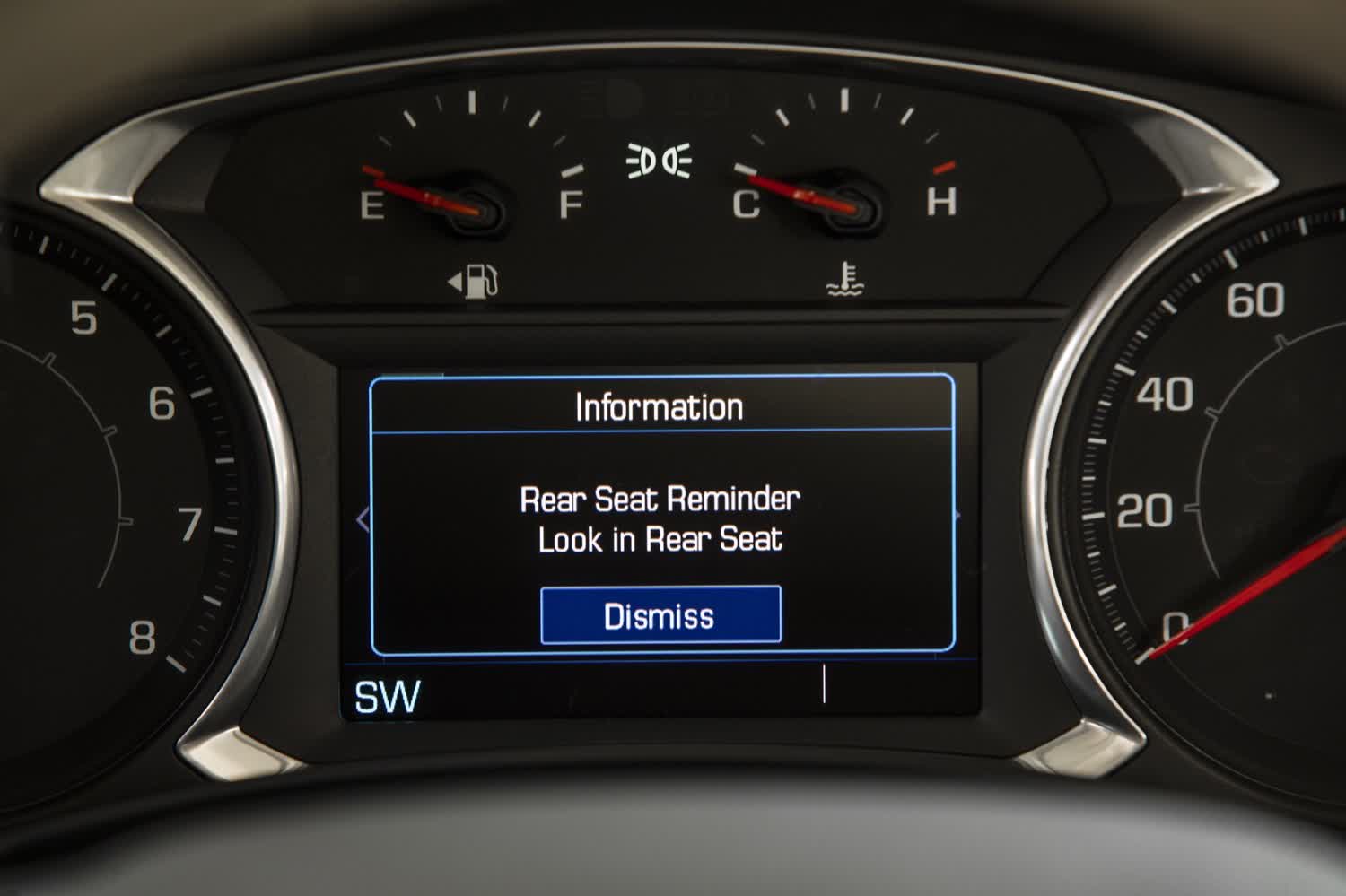
Automakers have already rolled out these features in hundreds of models, in some cases through voluntary industry commitments designed to stay ahead of potential mandates.
Beyond individual technologies, Senate Republicans plan to use the hearing to argue that policy should focus more on enabling higher levels of automation rather than layering additional prescriptive safety features onto conventional vehicles.
They are expected to contend that resources would be better spent accelerating advanced driver-assistance and autonomous vehicle programs that could address crash risk more holistically, including through vehicle-to-vehicle communication, richer sensor stacks, and more capable perception and planning software.
Safety advocates and some Democrats, by contrast, maintain that baseline equipment rules for features like AEB and rear-seat alerts are compatible with, and may even accelerate, progress toward more automated vehicles by making sophisticated sensors and compute platforms standard across the fleet.