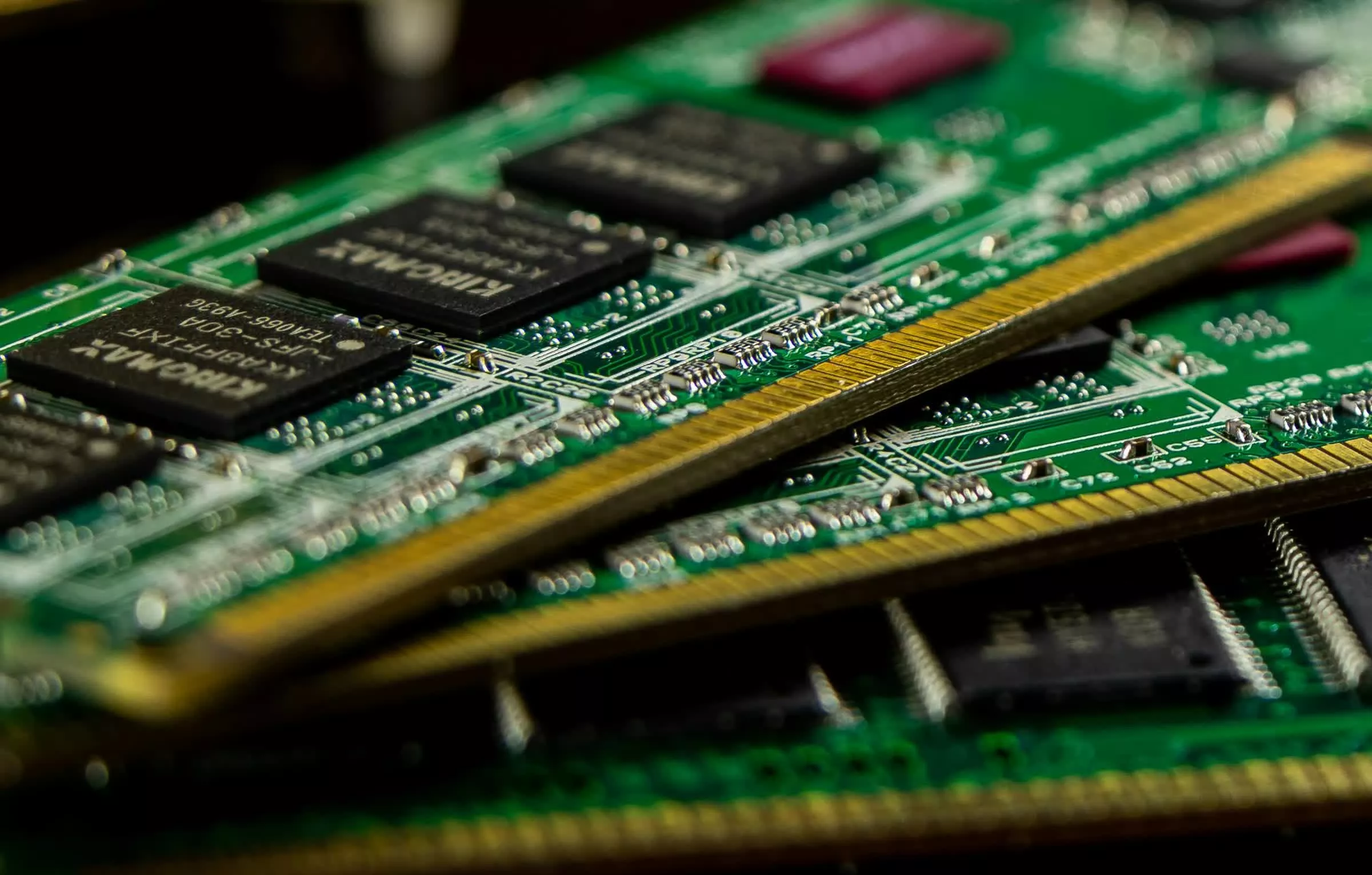
Caveat emptor: Shipment scams that involve replacing high-end graphics cards with obsolete models or weighted materials are nothing new. Ongoing memory price inflation has made RAM the next target for these schemes. A recent case serves as another reminder that customers should consider recording the unboxing of expensive purchases.
VideoCardz reports that a reader recently warned it of a RAM package scam from Amazon. The fraudulent shipment shows that the number of components that warrant caution from buyers is growing.
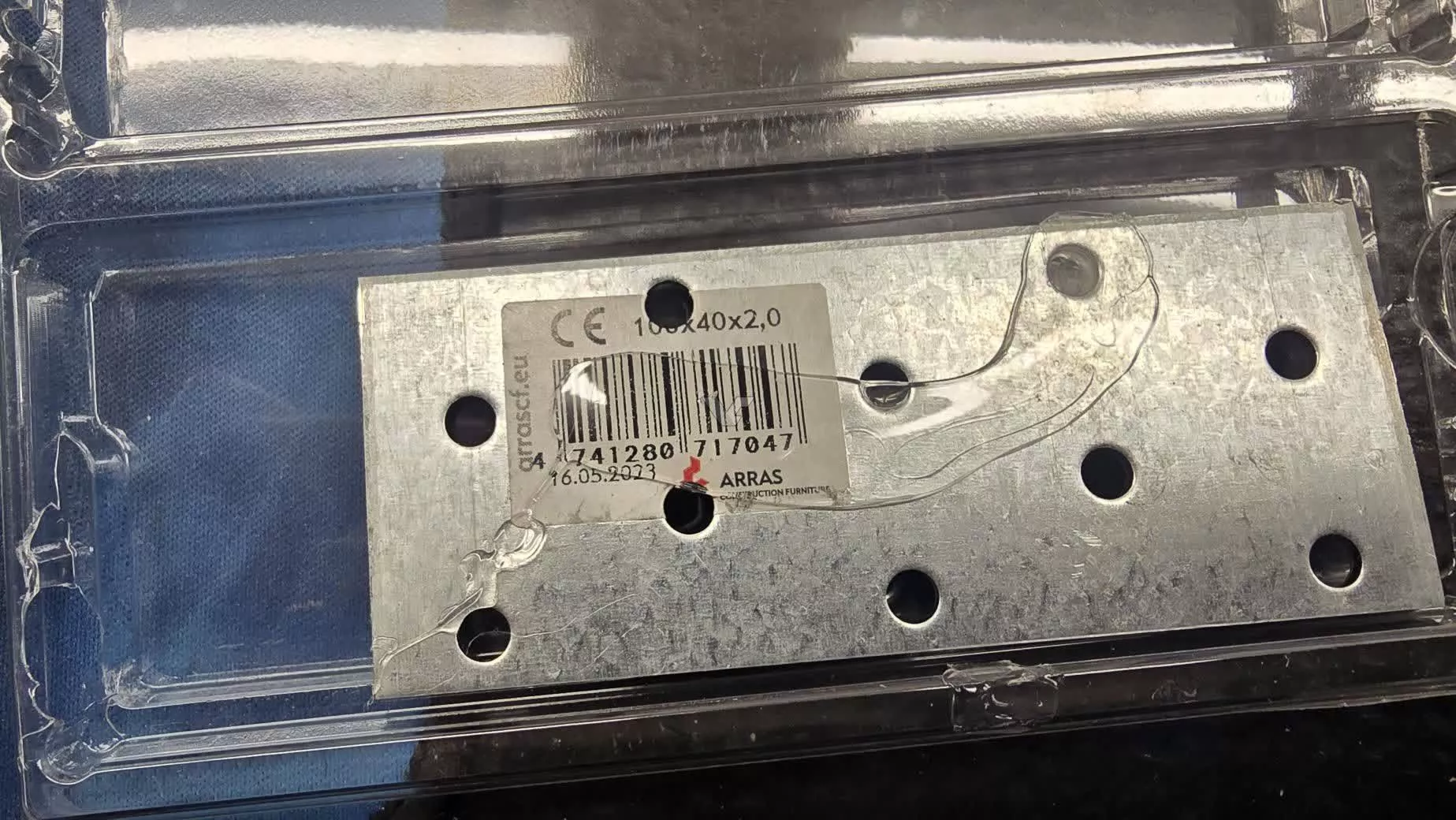
What was supposed to be two XPG Caster 16GB DDR5-6000 CL40 RAM sticks turned out to be DDR2 modules glued to metal weights. The box arrived shrink-wrapped and looked legitimate at first glance, but low-quality stickers offered the first sign that something was wrong. Reader BravoNorris said the labels might only fool buyers who do not closely inspect the packaging.
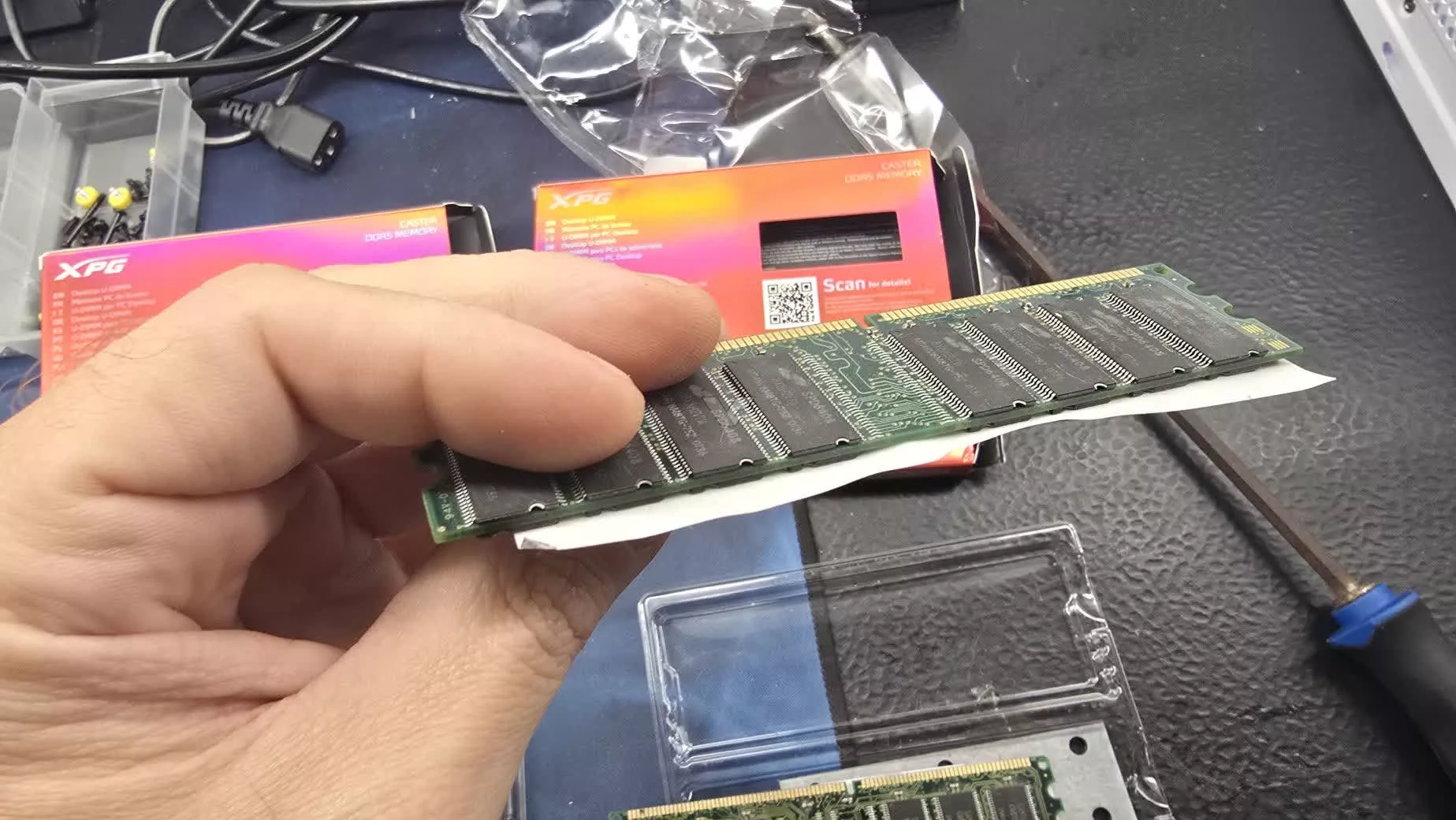
The scam mirrors earlier cases in which customers opened boxes for high-end graphics cards only to find older GPUs or unrelated items, including backpacks, rice, pasta, putty, or metal weights. In some instances, the cards lack the two most critical components: the graphics processor and the VRAM.
Most cases likely stem from return fraud, in which buyers keep legitimate items and return resealed packages of similar weight for a refund. The seller, assuming the product is unopened, then resells it to a legitimate buyer.
The reader's case appears isolated, as the swapped RAM sticks made up only one of the four packages he ordered from Amazon Spain. He resold one without inspecting it, installed another (which worked correctly), and kept the last to compare with the fraudulent modules. BravoNorris has requested a refund but is unsure if he will receive one. Customers can improve their chances of a successful claim by recording the initial unboxing of expensive products.
Return scammers are likely targeting RAM because of historic shortages and ongoing price inflation fueled by the AI boom. Planned AI data centers have preemptively claimed much of the backlogged DRAM and NAND production capacity, driving price increases that could continue through 2028.
The situation has caused motherboard sales to drop, driven up prices for various products, and led to the discontinuation of Crucial, a popular memory stick brand dating back to the 1990s. Additionally, future releases, including graphics cards and game consoles, could face delays.
Customers should also exercise caution when purchasing SSDs, which are also experiencing price hikes.
Image source: BravoNorris/VideoCardz