
The big picture: For years, Windows could survive almost anything as long as it kept working. That safety net is starting to disappear in Windows 11, just as Microsoft is wiring the operating system more tightly to AI services, cloud storage, and an increasingly fragile update pipeline. Emergency patches that break shutdown, security updates that strand some machines at boot, and a desktop recorder that quietly captures nearly everything on screen have turned reliability and trust into the platform's biggest technical constraints.
Inside the company, engineering teams have been pulled into a "swarming" effort to stabilize Windows 11's core behavior – a shift that acknowledges how far the OS has drifted from the predictable foundation Microsoft wants to build its AI future on.
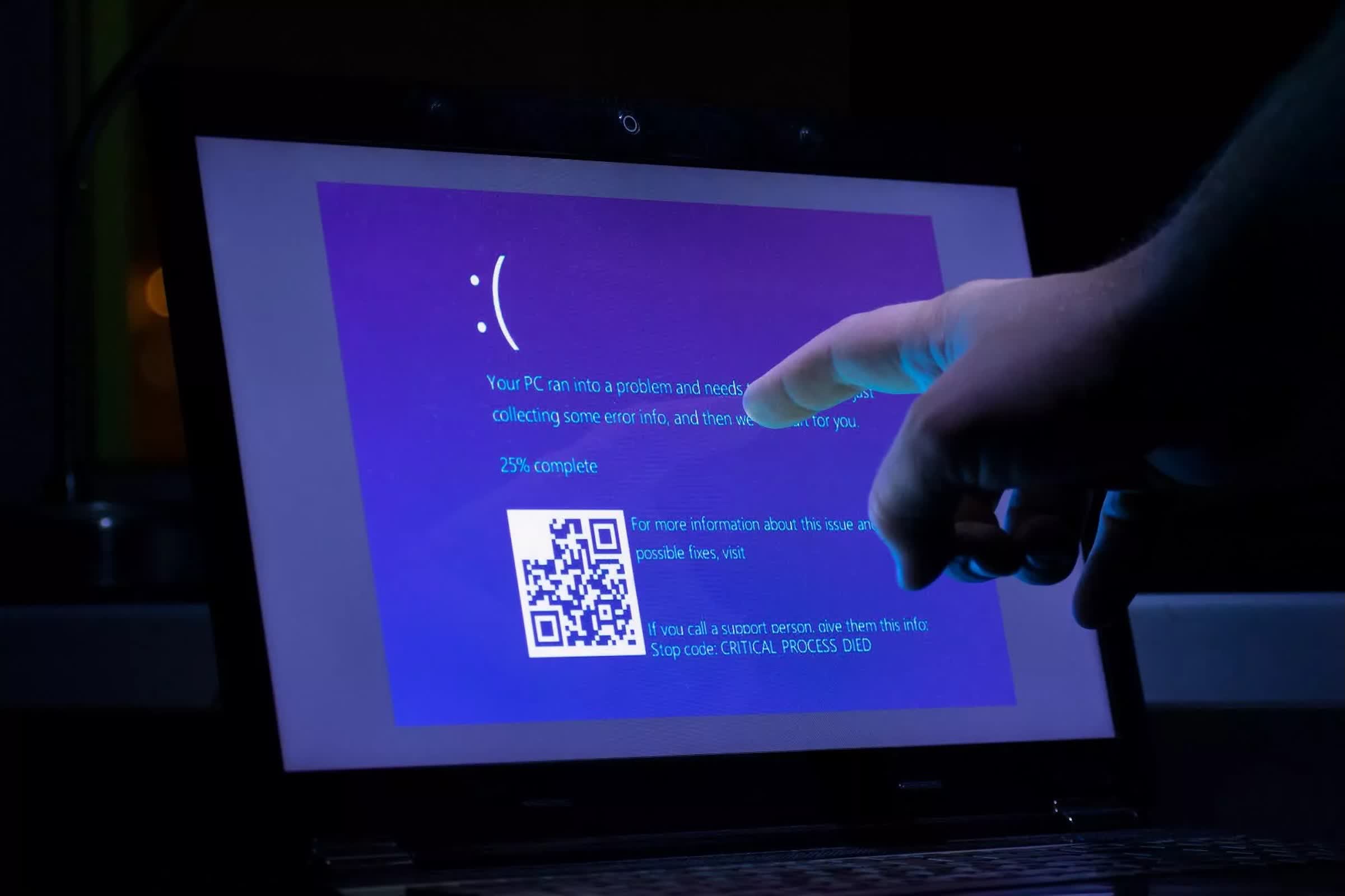
The trigger for this shift is not a single catastrophic release, but a pattern of small, compounding failures. Over the past several months, Windows 11 has shipped updates that quietly introduced Remote Desktop instability, duplicated instances of core tools such as Task Manager, and even broke basic recovery environments on some machines.
Bugs that once would have remained confined to Insider rings or preview channels have instead landed in production builds, forcing IT departments and enthusiasts to roll back patches or reach for recovery media.
January's update cycle turned that pattern into a very public mess. After reports that some systems could no longer shut down cleanly, Microsoft rushed out an out-of-band fix for its first Windows 11 update of 2026 – only to follow it a week later with another emergency patch to stop apps such as OneDrive and Dropbox from freezing when opening or saving cloud-hosted files.
In parallel, a separate flaw left a subset of Windows 11 24H2 and 25H2 machines stuck on a black screen at startup with an UNMOUNTABLE_BOOT_VOLUME stop code, requiring users to boot into the Windows Recovery Environment and manually remove the offending update.
For administrators, that kind of failure is more than an annoyance. It means weekends spent testing hotfixes on lab hardware, adjusting patch-management policies, and fielding calls from users whose machines no longer behave predictably after what should have been routine security updates.
When fixes themselves have to be fixed, confidence in the entire servicing model begins to fray – even among those who understand how difficult it is to maintain an operating system that must run across wildly different hardware stacks.
The "swarming" strategy is Microsoft's attempt to break that cycle by shifting engineers away from new features and toward bug backlogs and performance regressions. Internally, it is framed as a short-term push, but comments from leadership suggest it will shape much of the year. Pavan Davuluri, the company's Windows and devices chief, has told users to expect a sustained focus on system performance, reliability, and what he calls "pain points" in the everyday experience of using Windows.
All of this is unfolding as Microsoft tries to reposition Windows as an "agentic" operating system. Copilot Plus PCs, built around ARM-based silicon and dedicated NPUs, are meant to showcase what that model can deliver when AI workloads are accelerated locally rather than running entirely in the cloud.
Recall is the most aggressive expression of that vision. The feature runs as a system-level service on Copilot Plus machines, capturing near-continuous, encrypted desktop screenshots and indexing them with on-device AI so users can later scroll back through time or search for things they vaguely remember seeing.
Microsoft stresses that Recall's storage is local and optional, and that users have tools to pause recording, exclude specific apps or websites, and wipe sections of their activity timeline. Privacy researchers and regulators, however, have focused on those same mechanisms as a source of risk. Because Recall can see whatever appears on the screen, it can also capture passwords, financial dashboards, confidential work documents, or personal conversations unless users explicitly define exclusions.
Beyond bugs and AI, Windows 11 has also picked up behaviors that make the operating system feel argumentative. Default browser choices can be overridden in practice by Start menu searches and system links that insist on opening in Edge, routing traffic through Bing even when users have already selected alternatives such as Chrome or Firefox.
At various points, promotional dialogues for Edge and Bing have appeared in ways that resemble adware campaigns, with pop-ups that are easy to mis-click and difficult to dismiss permanently.
None of these behaviors are technically novel – operating systems have nudged users toward ecosystem services for years – but they land differently when users are already grappling with reliability problems and complex update cycles. It becomes harder to distinguish genuine security or usability improvements from marketing-driven prompts, and easier to interpret every unexpected dialog as another attempt to extract value from the user rather than an effort to make Windows better.

Publicly, Microsoft is framing the next phase of Windows 11 as the beginning of a longer repair effort, not a one-off clean-up pass. Davuluri has acknowledged that "trust is earned over time," pointing to performance, reliability, and day-to-day usability as areas where the operating system still needs to improve.
If Microsoft can make updates boring again, align AI features with clear, high-value use cases, and step back from confrontational prompts around browsers, storage, and accounts, it has a chance to stabilize its relationship with Windows 11's most demanding users. If it cannot, the next wave of AI-driven features may end up being judged less on their technical merits than on whether people still feel comfortable letting Windows reach so deeply into their work and personal lives.