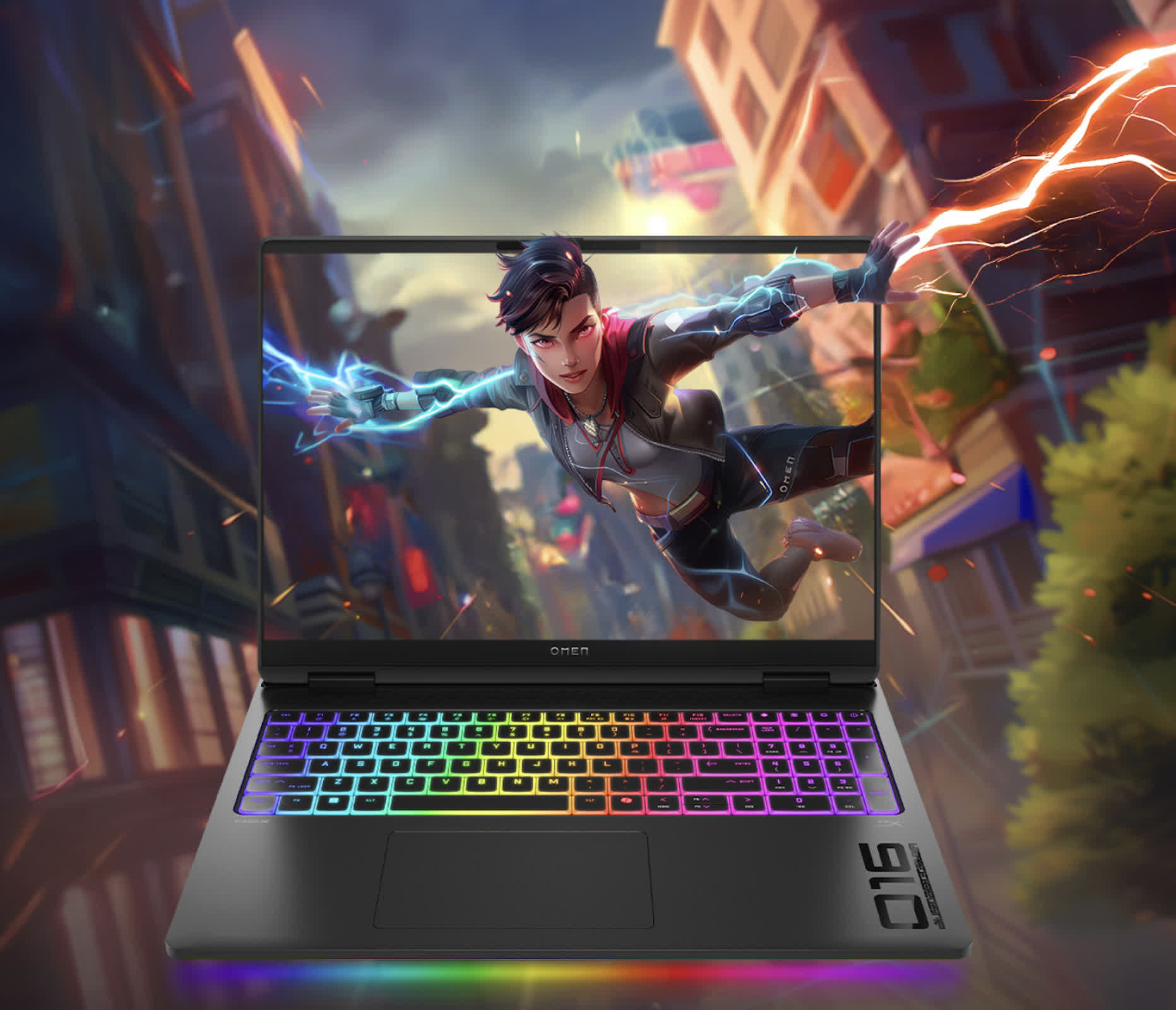
First look: HP is testing whether PC gamers will pay for high-end hardware the same way they pay for streaming services. Instead of buying a laptop or using traditional financing, customers in the United States can rent HP Victus and Omen machines for a fixed monthly fee, swap them for newer models every year, and never own the hardware.
The offer arrives as gaming laptops grow more expensive, pushed up by pricier memory, storage, and GPUs, and as rigs age faster under modern game and AI workloads.
The program has been running quietly for several months now and is structured more like a lease than a phone installment plan. Monthly payments are tied to specific configurations, but there is no point at which cumulative payments convert into ownership, even when the total paid matches or exceeds the going sale price.
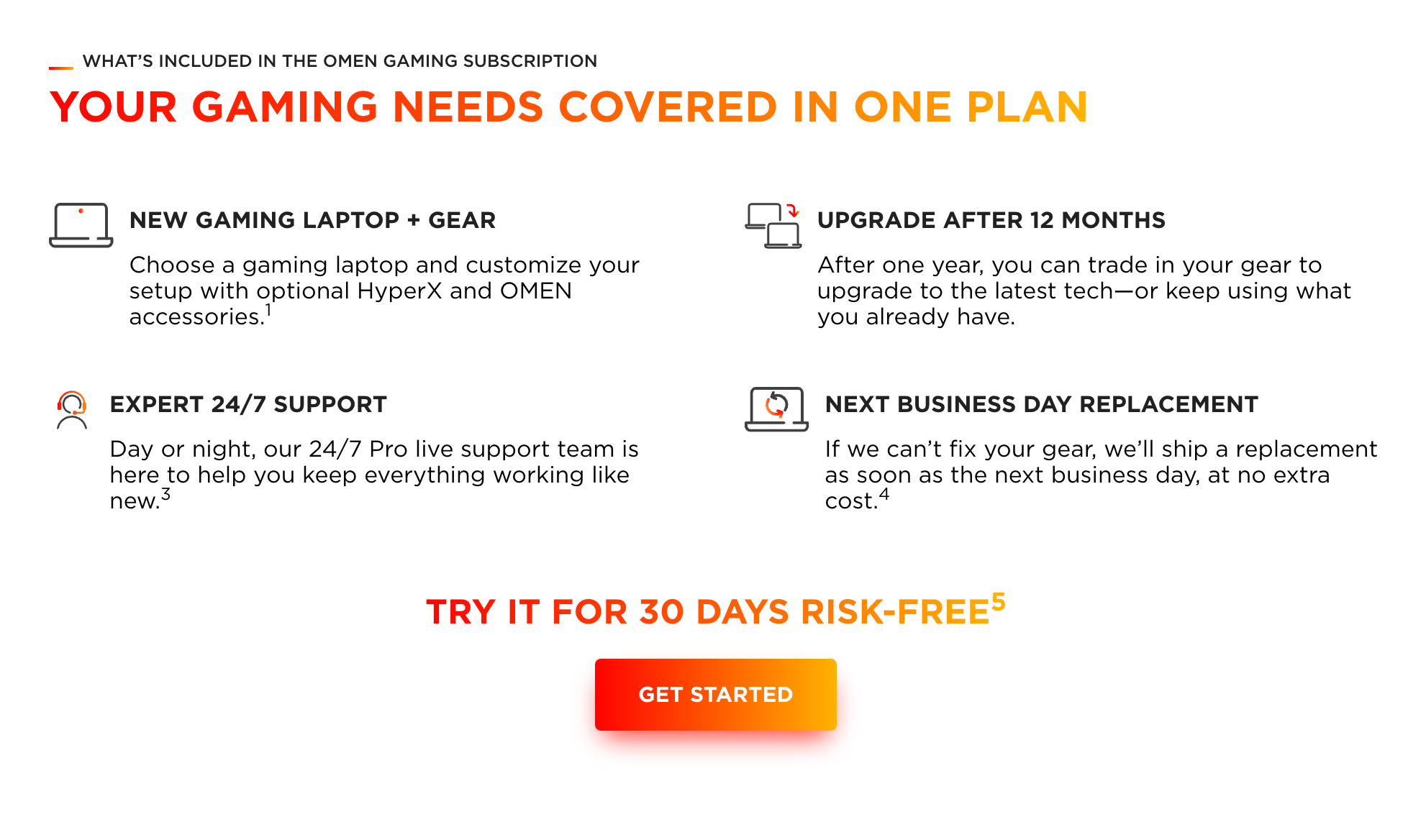
In return, HP bundles annual upgrades, enhanced support, faster replacement, and the option to add accessories under the same monthly billing plan.
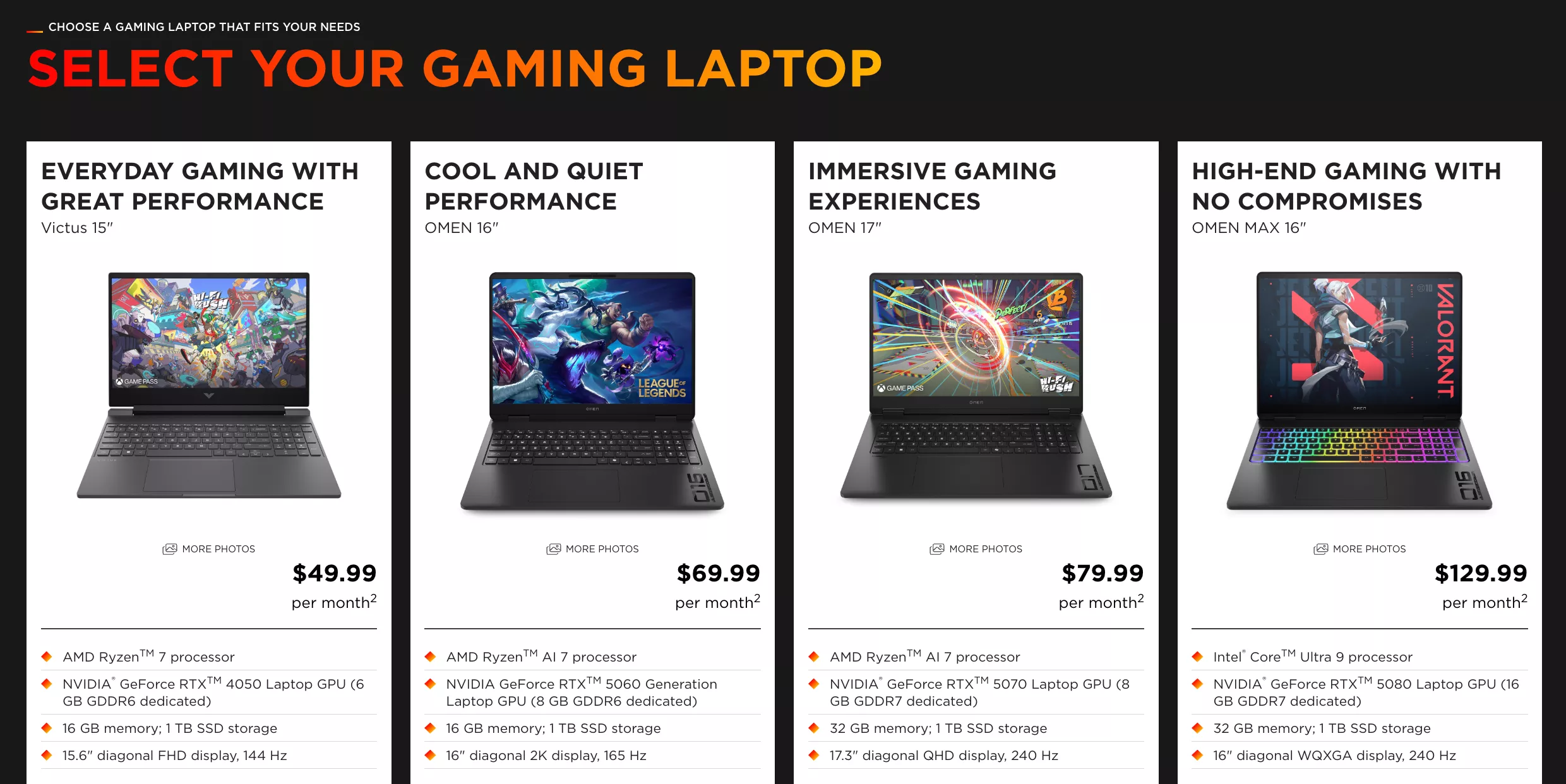
At the entry level, HP offers a Victus 15-inch gaming laptop. That configuration pairs an AMD Ryzen 7 8845HS processor with an Nvidia GeForce RTX 4050 laptop GPU, 16 GB of memory, and a 1 TB SSD, designed for 1080p gaming and mainstream content creation.
The subscription price is $50 per month. The same laptop can currently be bought for about $950 on sale, meaning 19 months of subscription payments equal the discounted retail price, and around 25 months aligns more closely with its full MSRP, without ever transferring ownership.
At the top of the range, an Omen Max 16 serves as the flagship option. It combines an Intel Core Ultra 9 processor with an Nvidia GeForce RTX 5080 laptop GPU, 32 GB of RAM, and a 1 TB SSD, aimed at high-refresh 1440p gaming and demanding compute tasks.
The monthly charge is $130. HP lists the same configuration for about $2,110, so just over 16 months of payments would match that sale price, and roughly two years would reflect typical list pricing – again, with no path to keep the laptop.
Between those extremes, HP slots in additional Omen 16 models that follow the same pattern. One configuration with an RTX 5070 is priced at $80 per month and sells for about $1,500 on sale, bringing cumulative subscription payments in line with the sale price in under 20 months.
Another, using an RTX 5060, costs $70 per month and sells for about $1,300, landing in the same sub-20-month window at current discounts and around 25 months at MSRP.
Across all four systems, roughly 18 months of payments equals the discounted purchase price, but subscribers do not build equity in the device.
HP pitches the model as an answer to the traditional three- to five-year upgrade cycle, which often leaves gamers a generation or two behind in GPU performance, display technology, and platform features. By allowing an upgrade every 12 months, the company promises hardware that better aligns with GPU release cycles, game engine demands, and emerging local AI workloads.
The subscription's support and replacement terms are meant to reinforce the idea of a managed, always-current device rather than a one-time purchase.
The economics change if a subscriber wants out early. HP allows cancellations within the first 30 days, with free return shipping, effectively a trial period.
After that, cancellation fees are steep. Ending the Victus 15 contract in the second month triggers a $550 fee, and the laptop must still be returned. Canceling the Omen Max 16 in month two incurs a $1,430 fee, again with no hardware retained. Those penalties fall away after the 12th month; from the 13th month onward, cancellation is free, which nudges users to stay in the program for at least a year.
HP extends the rental concept to accessories as well. Subscribers can add peripherals such as the HyperX Cloud Alpha Wireless headset or the HyperX QuadCast 2 S microphone for $8 per month each. Both products have an MSRP of around $200, with current street prices closer to the mid-$100 range.