
Cutting corners: India's antitrust regulator has fined HP's local unit and a group of resellers after finding they coordinated bids and pricing for government technology contracts. The Competition Commission of India said HP India worked with its channel partners to influence bids for computer procurements while controlling prices for ink cartridges, toner, and other printing supplies. The penalties total 1.4 billion rupees, or about $14.4 million.
The case centers on how bids were handled on the Government e-Marketplace, the country's main public procurement platform. According to the regulator, HP India and five resellers coordinated their bids to increase the likelihood that one of them would win government contracts.
In its order, the commission said, "[C]ertain resellers approached HP India to help facilitate an arrangement that would enhance their chances of securing Government supply contracts against other competing HP India resellers."
It said those efforts included limiting which resellers could participate in certain tenders, dividing contracts among themselves, and controlling the issuance of manufacturer authorization forms required to submit bids.
The regulator also pointed to practices such as intervening when bids came in below the platform's pricing guidelines and arranging "cover" bids designed to make a preferred bidder appear more competitive.
The conduct extended beyond hardware. The commission fined HP India 119.8 million rupees for what it described as cartelization in the sale of consumables such as toner and cartridges. Another 21 resellers were fined a combined 35.2 million rupees.
The findings draw in part on WhatsApp messages exchanged between HP India and its Tier-2 reseller partners. In a separate order, the commission said those chats showed the companies operating "in a collusive arrangement" involving "bid rigging, including cover bidding, price fixation, and customer allocation during 2017 – 2020." It said HP India played a central role in the scheme.
HP India pushed back against that characterization. The order notes that the company "humbly objects to HP India's role being characterized as a 'kingpin' of the entire collusive arrangement." It also argued that pressure in the printing supplies market played a role, saying high prices led some resellers to consider switching to counterfeit products in order to remain competitive.
"HP India was commercially forced into a position where it had to support the collusive arrangement adopted by the Tier-2 resellers," the order reads.
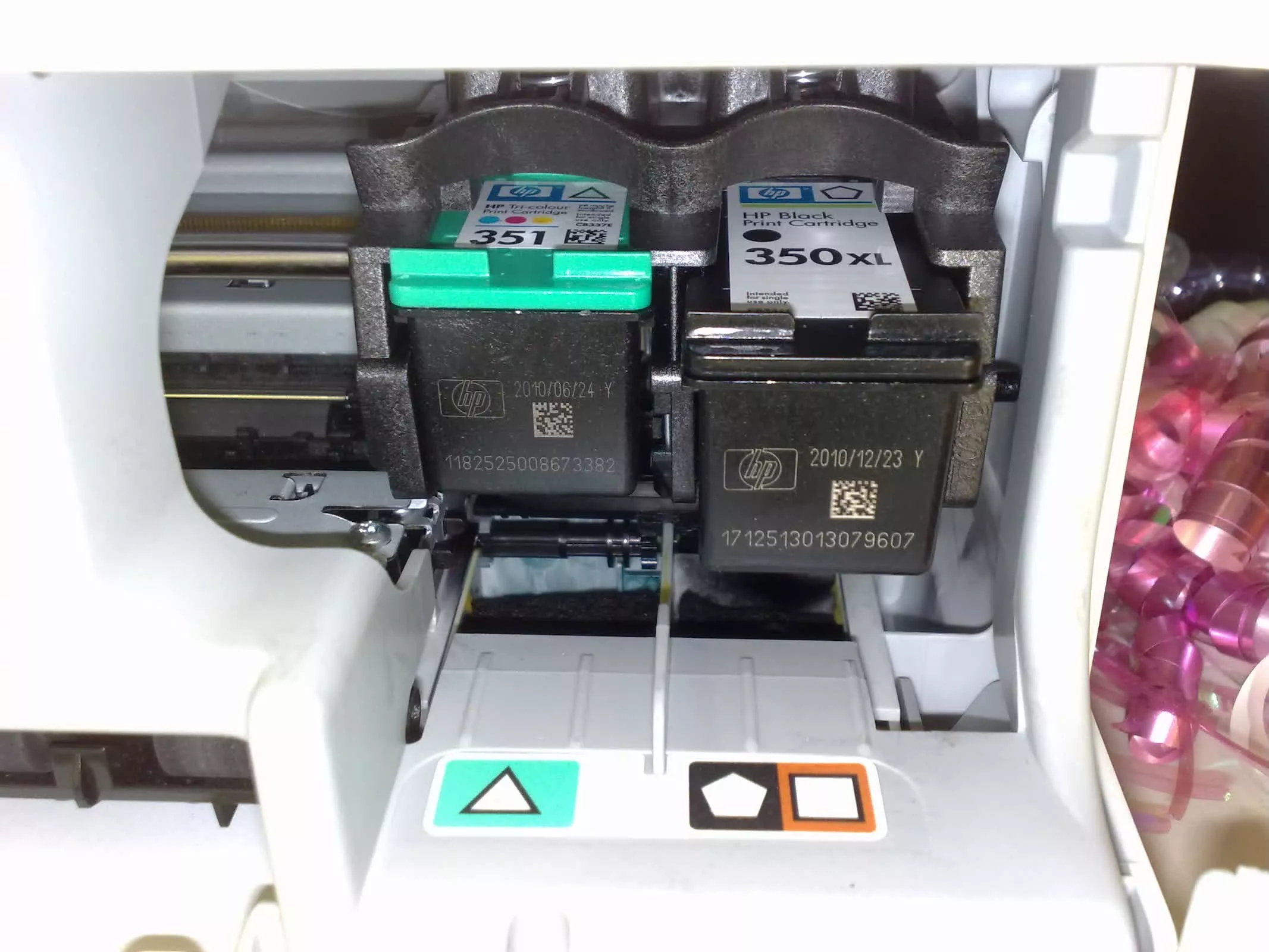
The case highlights the economics of the printer business, where hardware sales are closely tied to recurring revenue from proprietary ink and toner. HP has faced criticism for restricting the use of third-party cartridges, including through firmware updates, as part of a strategy designed to keep customers within its ecosystem.
In India, those pressures appear to have extended into the reseller channel, where margins and pricing are closely linked to HP's supply chain.
The Competition Commission has ordered HP India and its partners to stop the conduct and implement competition compliance programs within 60 days. HP has not publicly commented on the fines.