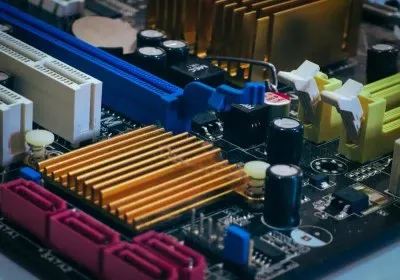
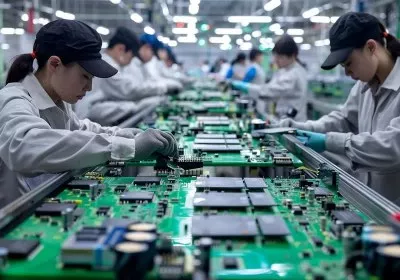
Ripple effect: PC makers have spent most of this year chasing memory and graphics chips as AI data centers bought up whatever they could. Now the circuit boards those chips sit on are reportedly running short, too. The same factories are busy with far pricier boards for AI servers, so PC orders are getting pushed to the back of the line.
What we know so far: When US-China trade relations reached an all-time low last year, many global electronics manufacturers made a beeline for alternative low-cost manufacturing locations such as Thailand, Vietnam, and India. However, with skyrocketing component costs squeezing profit margins, some of these companies are reportedly shifting at least part of their PC manufacturing operations back to China.
Bottom line: PC makers are selling more expensive machines into a market with fewer available units, as tight memory supplies reshape product mix, pricing, and demand for AI-capable systems. That shift is helping manufacturers preserve – and in some cases expand – revenue even as global shipments decline, but it is also pushing the industry further away from the low-cost devices that once drove volume growth.
Editor's take: Nvidia's denial of buyout talks with a major PC maker did little to settle a deeper question hanging over the industry: If the world's most valuable chip designer chose to reshape the PC market by acquisition, who could realistically stand in its way? The company's influence over AI hardware is now so central that even an unconfirmed blog post suggesting talks with a "large PC-oriented company" was enough to jolt the shares of Dell and HP before Nvidia stepped in to say the story was false.
Watch out for borderline fraudulent deals on Amazon
Cutting corners: As the ongoing AI-fueled memory shortages raise hardware prices, options for ultra-budget laptops are becoming limited. Some manufacturers and resellers appear to be taking advantage of the desperation in the sub-$500 segment with deceptive advertising, often including OneDrive trials in their storage specifications. Many also skimp on processors, screen resolution, and RAM when better deals show that this is unnecessary.