
Editor's take: New gaming releases often come with massive download requirements, and the trend shows no sign of slowing down. Sony is now proposing a novel approach to address the issue, though I've seen similar "solutions" before and frankly, I'm not yet sold.
A newly unveiled patent confirms Sony's commitment to making extra-large video games far more manageable in size. The patent, recently added to the World Intellectual Property Organization's database, describes an "asset streaming" technology that relies heavily on internet connectivity, but Sony emphasizes that this is not related to cloud gaming or its well-known reliability issues.
According to the filing, players would only need to download the game's executable code initially. This minimal package could include some "core" assets essential for launching the game, potentially requiring as little as 100MB. Such a small download would replace the massive tasks common in modern games, which can range from tens to hundreds of gigabytes.
For context, rumors suggest that GTA VI might require as much as 300GB and take days to download.
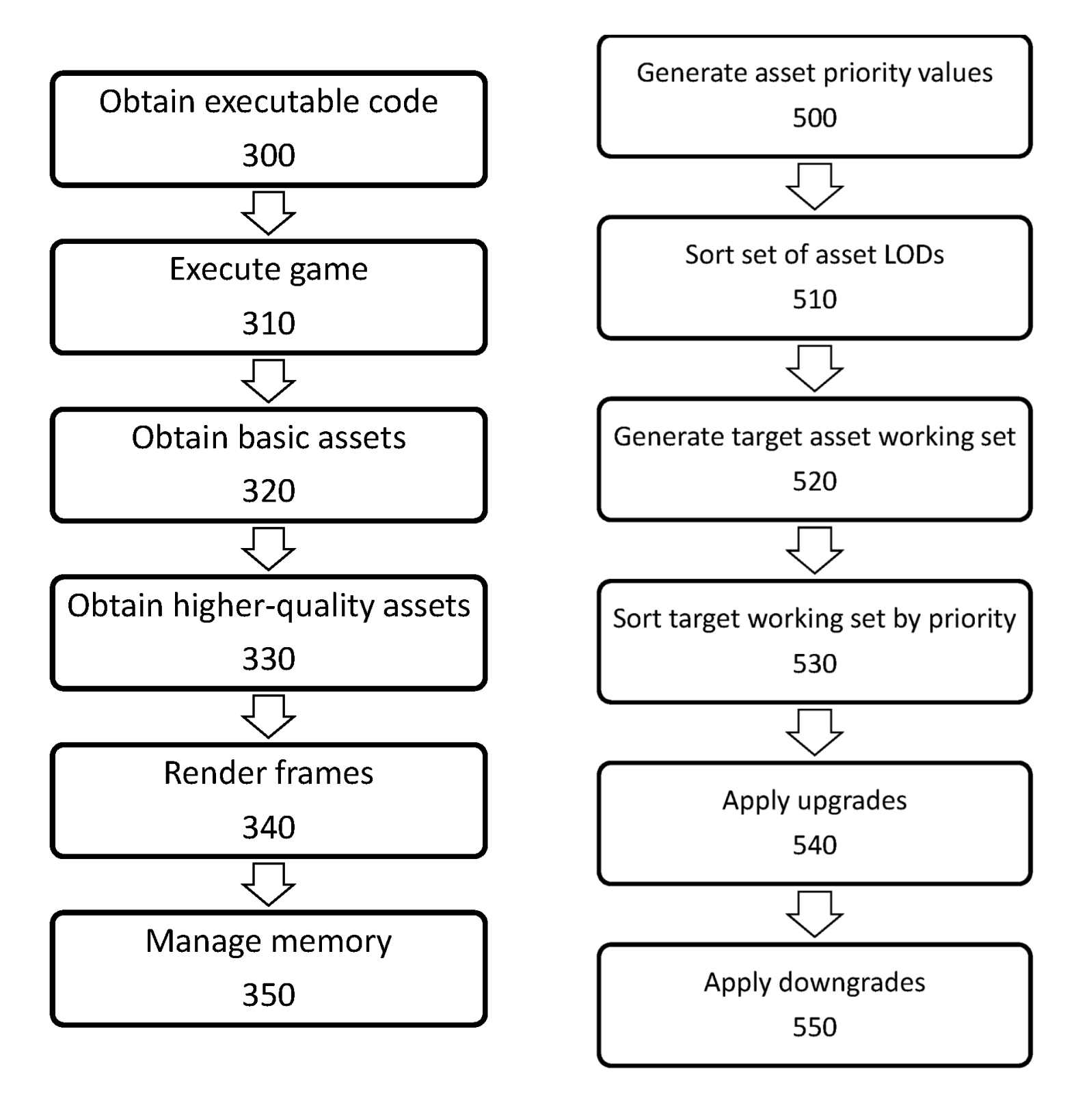
The 100MB download can be delivered either on a physical medium or through an online store and includes basic assets, such as low-resolution textures. Over time, the game can fetch higher-quality assets via the internet. The game's core logic always runs locally, meaning players should avoid the latency issues typically associated with cloud gaming.
The patent notes that cloud gaming can become unreliable when internet connections are unstable or network conditions are poor. Traditional cloud-based streaming suffers from "significant" latency, and delayed video frames can render a game completely unplayable.

Sony's hybrid streaming approach – local core assets combined with higher-quality asset streaming – aims to address these challenges. In 2025, the Japanese corporation patented another method for reducing game download sizes, confirming that Sony is acutely aware of how massive modern releases have become and how internet connectivity is now a major bottleneck for online services.
In recent years, basic asset streaming has become common in many online experiences. For example, Diablo III requires a constant internet connection, streaming both data and gameplay logic from Blizzard's servers.
Over the years, I've dealt with every sort of connection issue, from disappearing graphics to "frozen" enemies that explode after delayed input uploads. While Sony's approach may help with download sizes, it won't fully resolve cloud-related issues because streaming inherently introduces latency and reliability problems, no matter how much Big Tech tries to sell it as a solution.