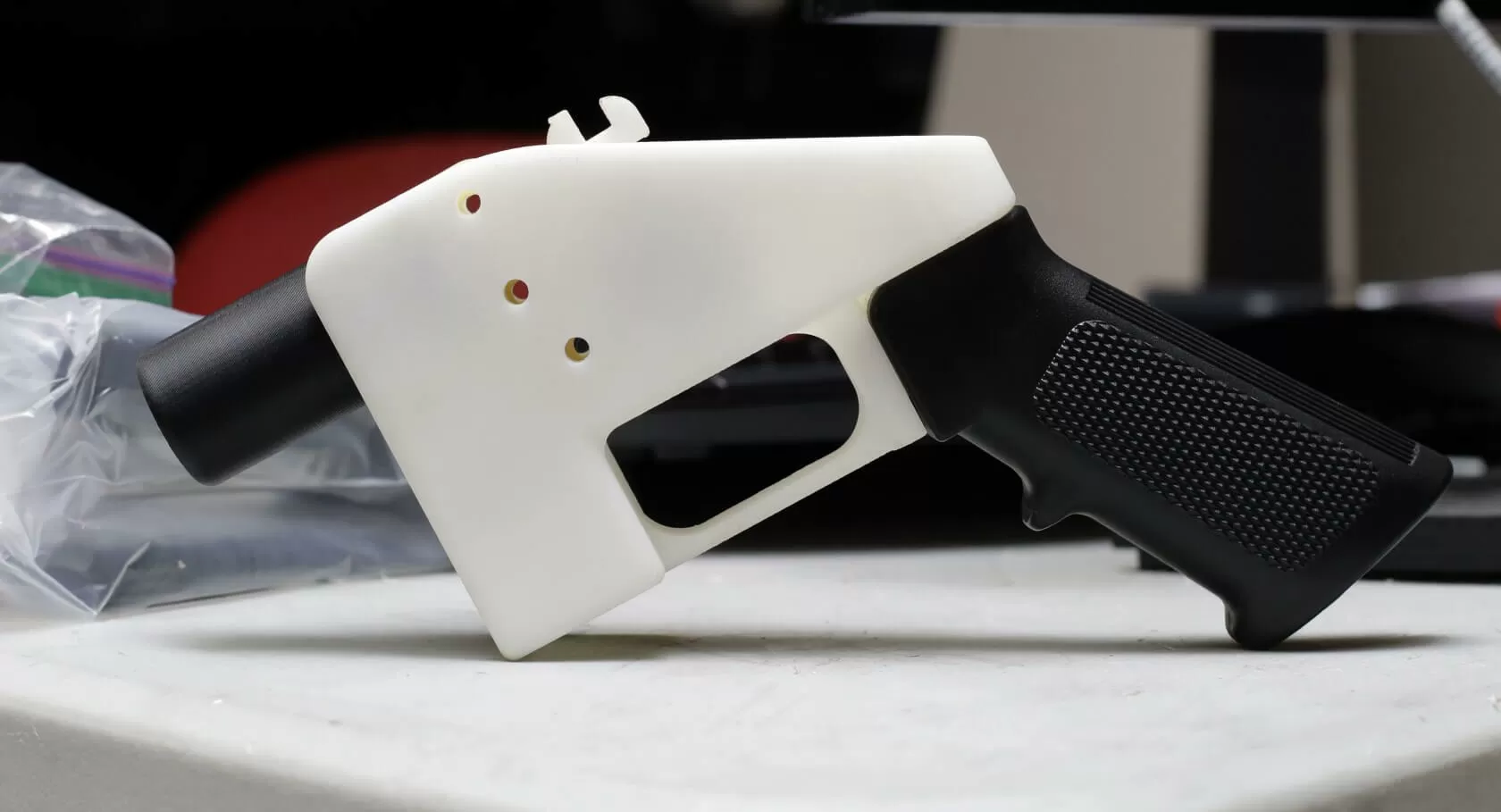
A hot potato: One of the negatives that have stemmed from the proliferation of 3D printers has been the rise of so-called ghost guns – a privately made, functional firearm that lacks a serial number and is untraceable. It's led to several states banning these printers from being used to create firearms and components, and Colorado could be next with a bill that doesn't just target what people print, but what they download.
Colorado's HB26-1144 bill would expand the state's firearms rules to cover "3-dimensional printing," defined to include additive printing and subtractive manufacturing (CNC milling is covered, too).
The proposal would prohibit using those tools from making a firearm, an unfinished frame or receiver, a large-capacity magazine, or certain rapid-fire accessories. Most notably, it also treats the digital element as part of the offense: "digital instructions" that can program a 3D printer or CNC machine would be regulated alongside the hardware.
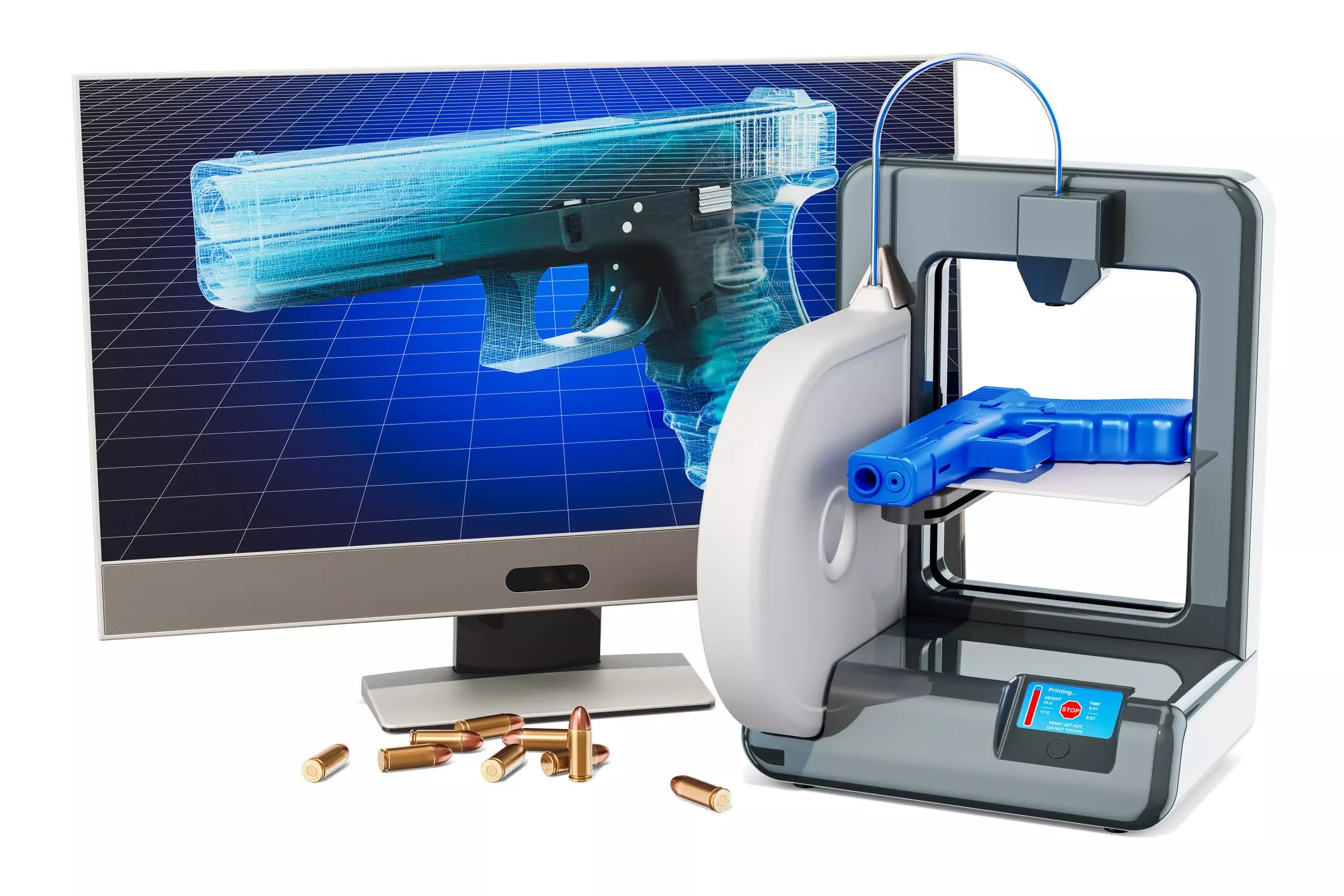
Possessing those instructions can become a crime if authorities claim they were held with intent to manufacture a prohibited item, or with intent to distribute the files for someone else to do it.
Sharing the files is also barred, with carve-outs for federally licensed firearm manufacturers. First violations start as misdemeanors, but repeat offenses can escalate into felonies.
Also read: The hidden fingerprints inside 3D-printed ghost guns
Colorado's is being introduced as other states push something much closer to surveillance-by-design.
Washington's proposal would require 3D printers sold after a future date to ship with "blocking features" – software or firmware that screens common file formats and rejects jobs flagged as firearms or illegal components. It also mentions multiple compliance paths, including printer-level checks, mandatory pre-print software, or a "handshake" authentication system between the printer and approved software.
New York lawmakers have floated similar detection mandates tied to printer sales, effectively pushing machines toward file inspection and model blacklists.
California has gone further with a plan to restrict sales to DOJ-approved printers on a roster, with anti-circumvention rules meant to stop users from disabling gun-detection safeguards, as well as and proposals that hint at compliance reporting.
Supporters say these are overdue updates for a world where a download can become a weapon. Critics argue intent is difficult to prove, CAD files are speech-adjacent, and algorithmic screenings will inevitably result in some false positives that punish legitimate makers, schools, and small businesses.