
Bottom line: Consumer demand for video games in the United States continues to grow even as the development side of the industry faces one of its most unstable periods in recent memory. According to new data from Circana, game spending in January 2026 reached $4.3 billion, up 3% from the same month the previous year. The uptick reflects the market's surprising resilience despite ongoing layoffs, canceled projects, and the abrupt closures of several acclaimed studios.
The research shows that the main driver behind this growth was subscription-based gaming. Non-mobile subscription services generated $596 million in revenue during the month, up 23% year-over-year.
That surge mirrors a broader shift in player behavior: the convenience and perceived value of premium subscription platforms continue to draw users, even as list prices climb. For publishers such as Microsoft, Sony, and Ubisoft, these models have become essential buffers against uneven release schedules for games.
Hardware spending also showed strength. Circana's data indicates a 16% annual increase, with total hardware sales reaching $248 million. The standout factor was the Nintendo Switch 2, whose introduction offset declines across all other major consoles.
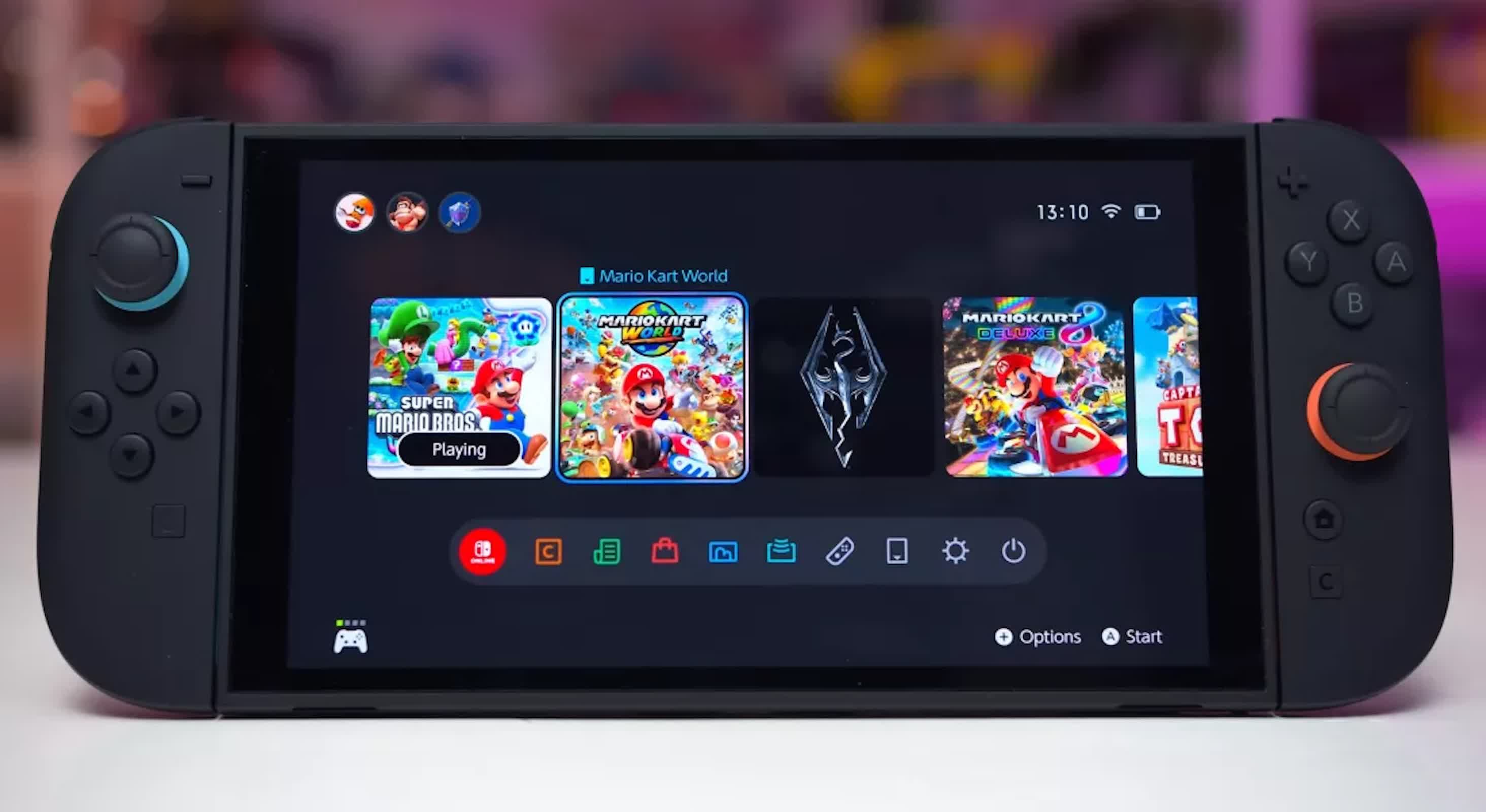
Even though the PlayStation 5 and Xbox Series X/S recorded year-over-year drops of 17% and 27%, respectively – and the aging Nintendo Switch plunged 79% – sustained demand for the newer systems helped lift the entire category. Despite Nintendo's slower-than-expected holiday season, its second-generation hybrid console has become a stabilizing force in the post-pandemic hardware market.
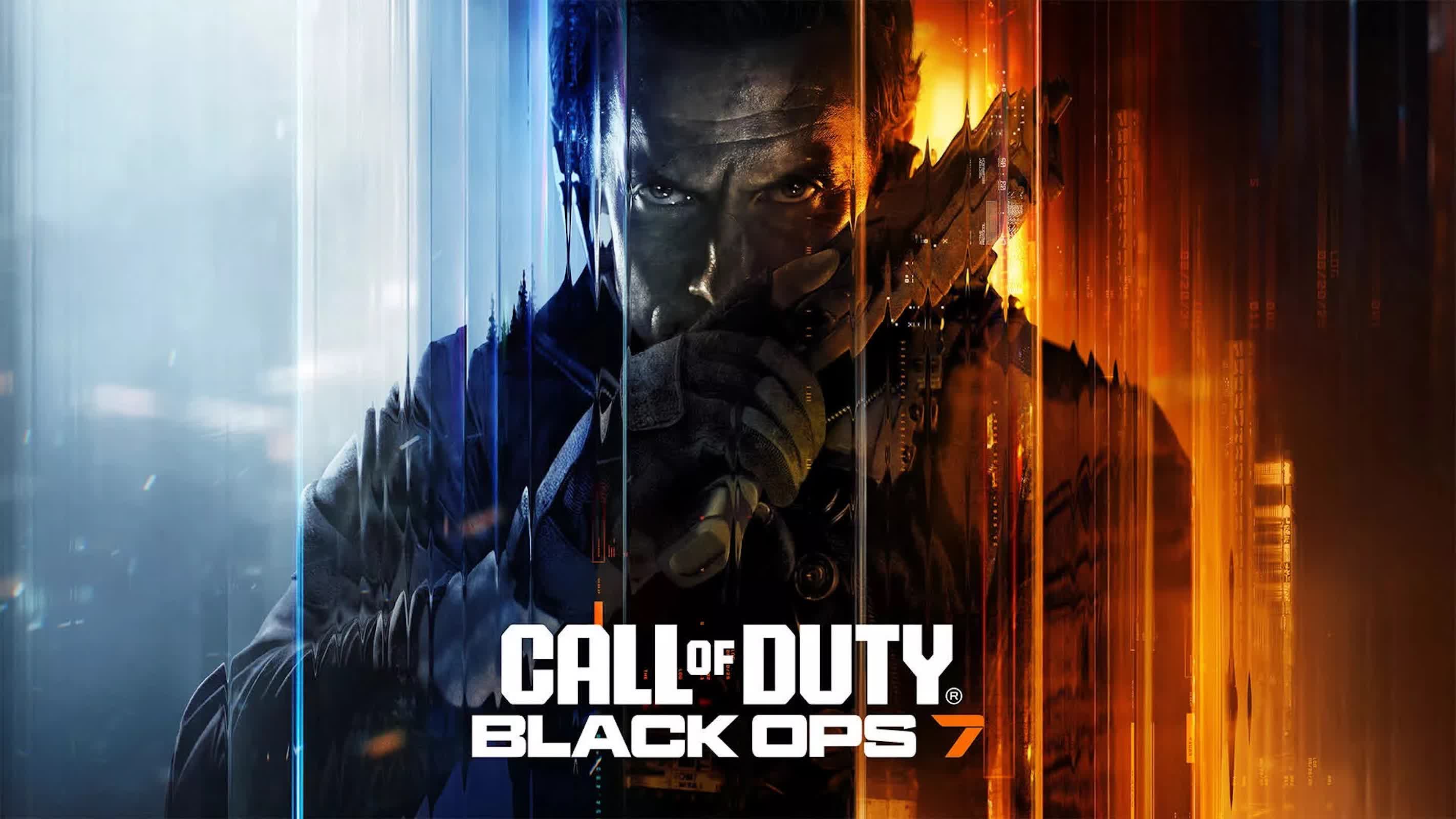
Software performance reflected familiar patterns of brand loyalty. Call of Duty: Black Ops 7 remained at the top position on the US sales chart, despite weaker-than-expected sales. It was followed by NBA 2K26, Madden NFL 26, and Minecraft – long-running series that highlight how durable franchise ecosystems have become for publishers.
Battlefield 6, which made headlines in October for its record-shattering launch of seven million copies in three days, slipped slightly to fifth place but remains one of the most consistently performing shooters of the past year.
Meanwhile, older titles experienced notable revivals. Final Fantasy VII Remake climbed from No. 255 to the Top 10 after the release of its new ports for the Switch 2 and Xbox Series X/S. Streaming television also made its mark on the charts. Fallout 4, boosted by the momentum of Prime Video's adaptation, surged to No. 20 in January from No. 68.
All of this unfolds against a backdrop of steady contraction in the development workforce, with Ubisoft, Sony, and several independent studios announcing layoffs or closures in early 2026. But even in this climate of instability, the spending data reveals that players continue to invest time and money in an industry under strain.