In brief: Federal prosecutors in New York say they've arrested and secured a guilty plea from the man behind OnlyFake. Unrelated to the popular adult-oriented platform with the similar name, OnlyFake sold AI-generated digital fake IDs designed to slip past the remote identity checks carried out by the likes of banks and crypto exchanges.
According to the US Attorney's Office for the Southern District of New York, 27-year-old Ukrainian national Yurii Nazarenko (also known by several aliases, including "John Wick") was charged and pleaded guilty to conspiracy to commit fraud involving identification documents and authentication features.
Prosecutors say OnlyFake was used to generate at least 10,000 fake identification documents from around 2021 and 2024, bringing in "hundreds of thousands of dollars" in the process.
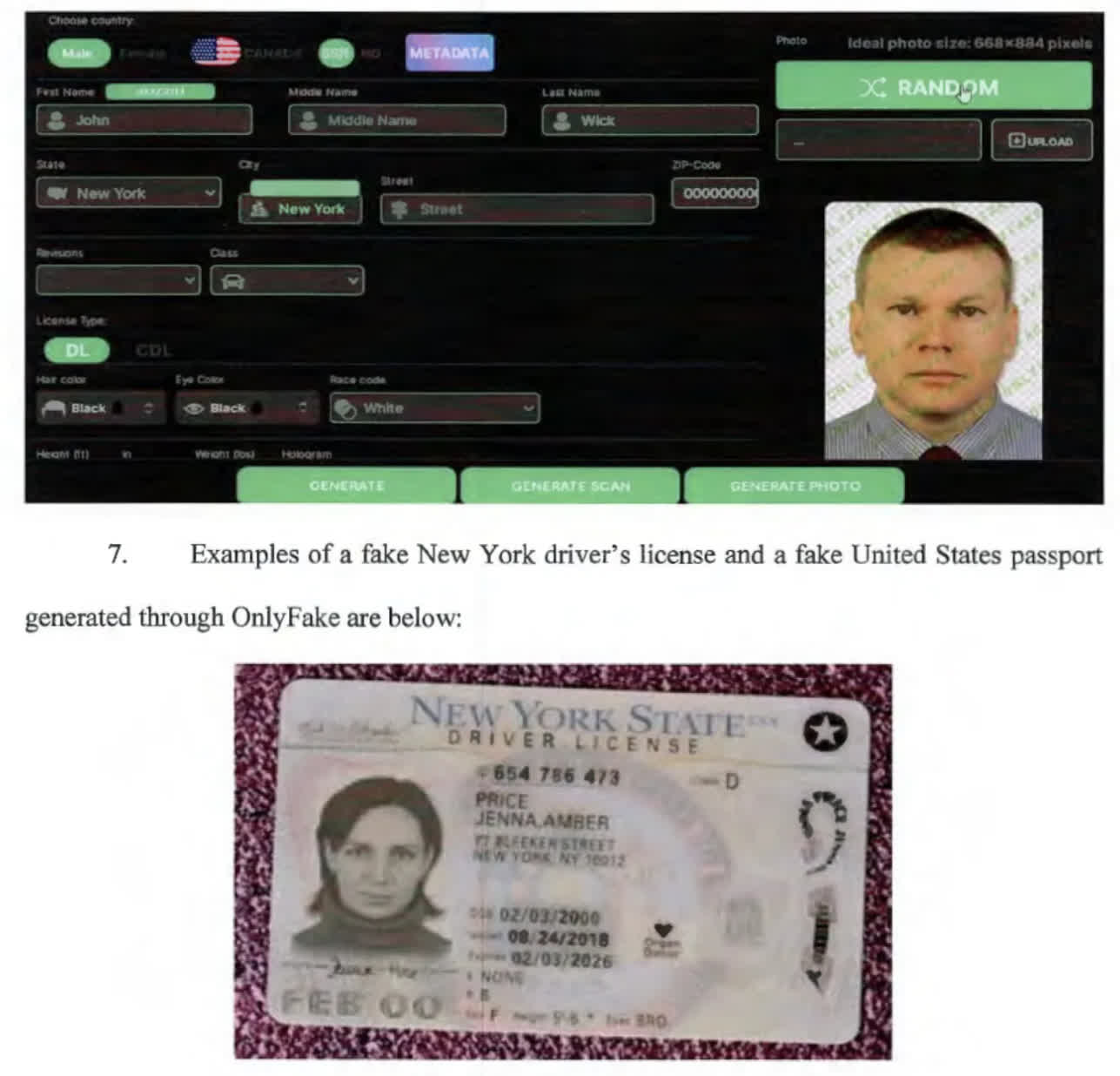
OnlyFake let customers generate fake photos of IDs that looked like scans – or like a real card casually photographed on a tabletop – exactly the sort of "proof" accepted by many Know Your Customer (KYC) systems.
The DOJ says the site offered digital versions of driver's licenses for all 50 states, plus US passports, passport cards, Social Security cards, and passports for about 56 other countries. Payment was taken in cryptocurrency, with bulk discounts and packages of up to 1,000 IDs at once.
OnlyFake's rise was first highlighted by 404 Media in early 2024, when it noted that the service advertised "neural networks" and claimed it could produce realistic IDs quickly and cheaply.
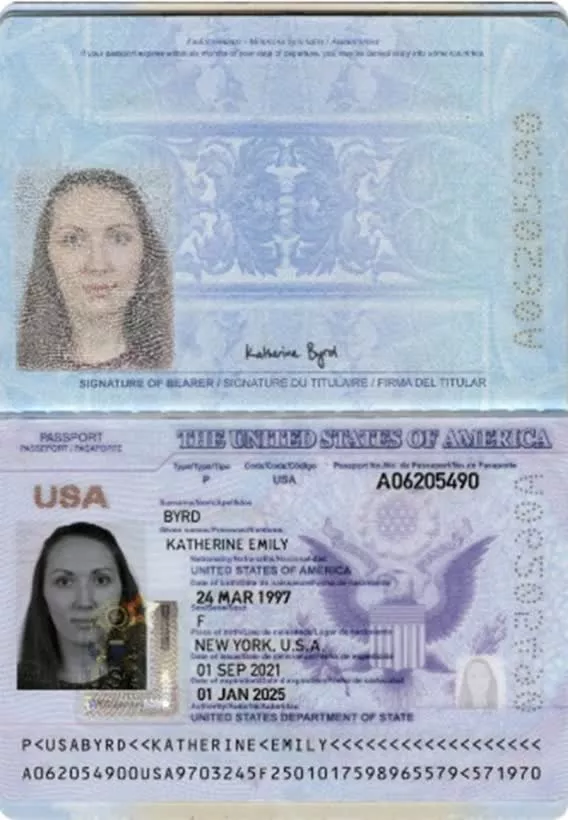
In testing, the outlet said OnlyFake generated convincing documents within minutes, framing it as a potential turbocharger for financial fraud and money laundering.
A separate industry write-up around the same time warned that the "retail" ease of AI-powered synthetic IDs could make digital identity fraud far more accessible than traditional forgery workflows.
Prosecutors argue the real danger is that modern KYC programs often allow users to upload scans or photos of government IDs. The DOJ says OnlyFake's output could help bad actors circumvent those checks to conceal identities and launder money.
Nazarenko faces a maximum of 15 years in prison and agreed to forfeit $1.2 million, which prosecutors say represents the proceeds of the operation. The DOJ also notes he was extradited from Romania in September 2025, and his sentencing is scheduled for June 26, 2026.