In brief: A mystery customer has dropped $300 million on AI servers built around AMD's Instinct MI350X GPUs, but the headline is that they're cooled with lab-grown diamonds. This enterprise hardware is aimed at squeezing more performance per watt as racks get hotter and AI data centers demand more power.
The buyer hasn't been named, but reports says the order came from an undisclosed US-based customer, likely a tech firm or data center operator.
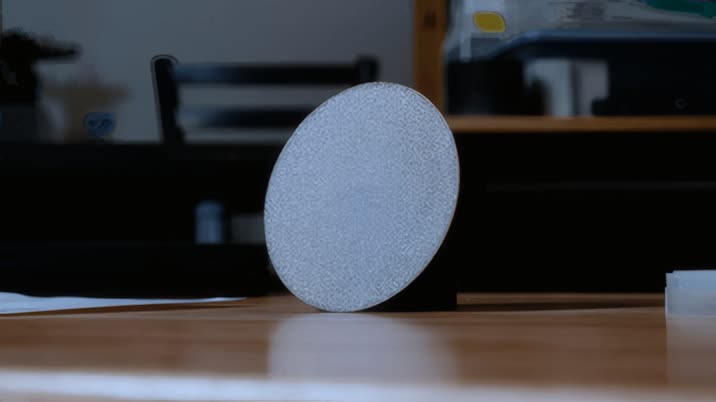
The hardware is being supplied by Akash Systems, a Peter Thiel-backed startup pushing what it calls Diamond Cooling: synthetic diamond material added as an extra layer in the thermal stack, intended to spread heat away from hotspots faster than conventional copper solutions,
In its announcement of the world's first diamond-cooled AI servers built by MiTAC Computing, Akash claims "throttle-free" performance can deliver up to 22% higher FLOPs per watt and up to 15% throughput improvement.
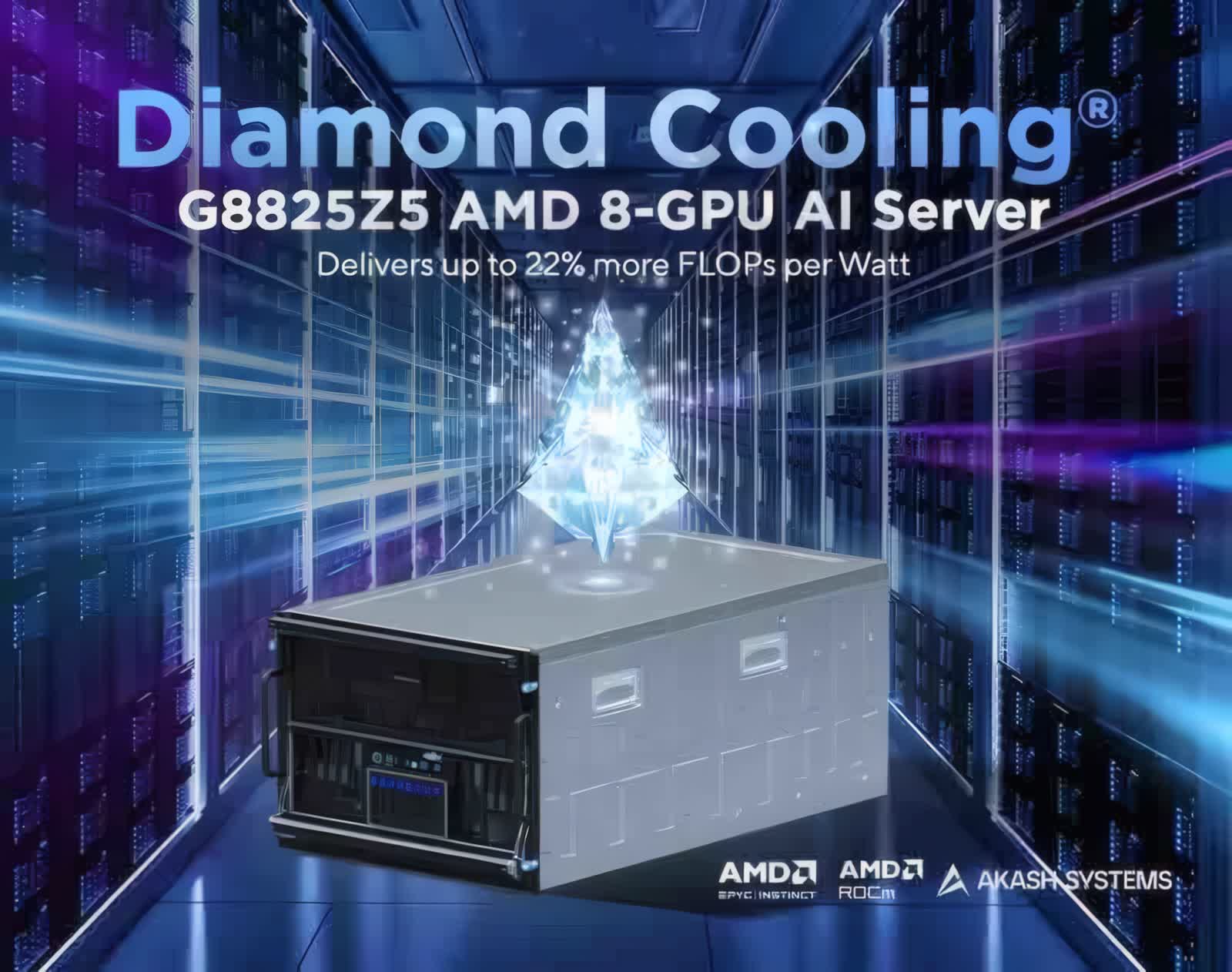
The company also makes some eye-catching promises, including maintaining high performance at around 120°F (48.8°C) ambient and potentially operating with up to 100% less power dedicated to cooling thanks to lower GPU temperatures. These figures should probably be taken with a grain of salt until independent testing numbers show up.
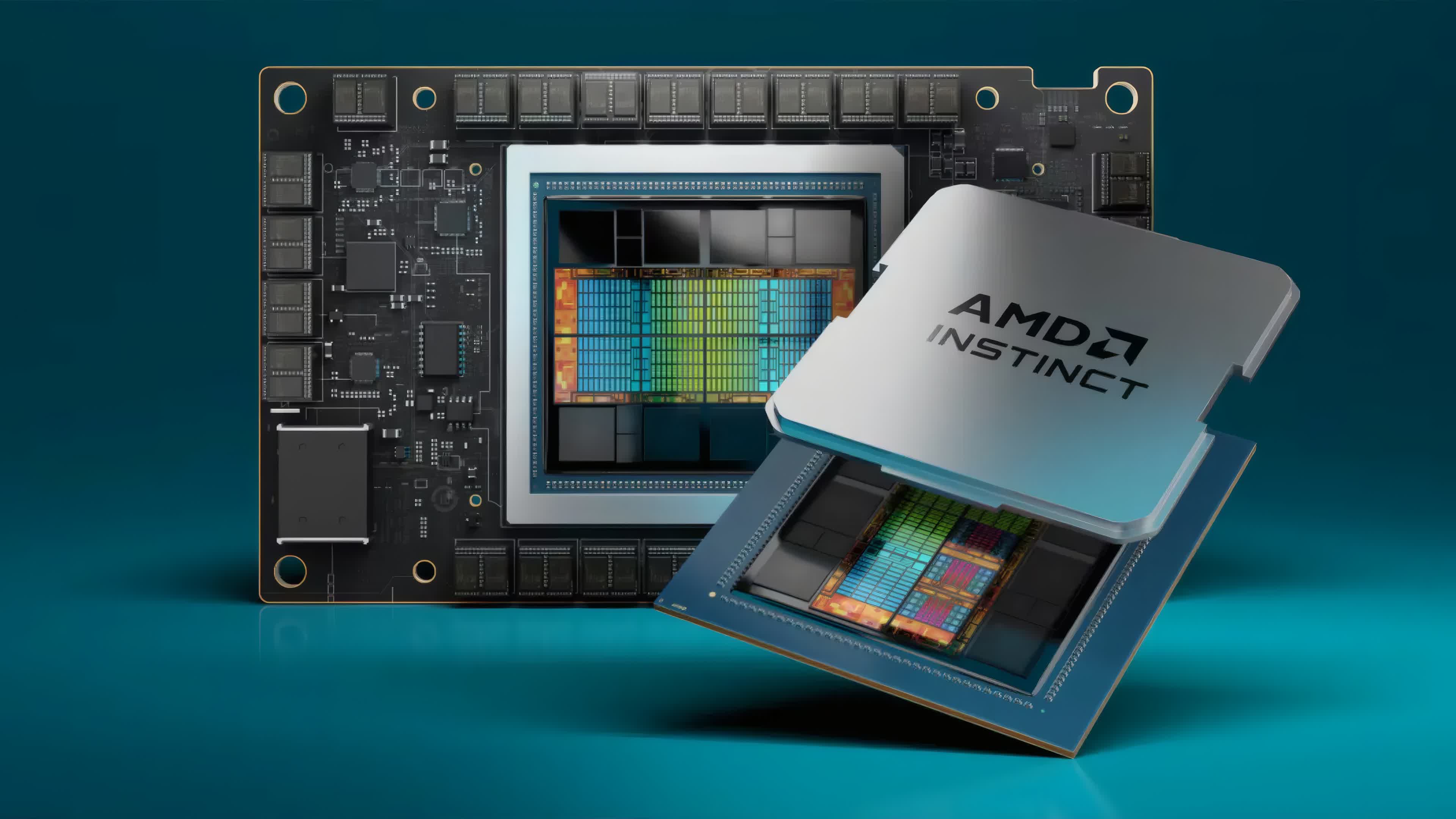
The servers themselves aren't just GPUs in a box. Akash says the systems pair MI350X GPUs with dual 5th-gen AMD Epyc 9005 CPUs, AMD Pensando Pollara 400 AI NICs, and the latest ROCm stack, with MiTAC handling manufacturing and deployment.
Team Red gave its blessing to the effort. Travis Karr, Corporate Vice President of AMD Commercial and Enterprise AI, said diamond cooling was a way to unlock more performance and efficiency from Instinct parts.
Akash has already shipped diamond-cooled Nvidia H200 GPU servers to India's NxtGen AI, and the company has previously talked up claims like diamond removing heat 5x faster than copper while cutting hotspot temperatures – as much as around 10°C, according to some reports.
The big question is whether diamond cooling ever becomes a popular option for real-world deployments. At $300 million, someone clearly thinks it's worth finding out.