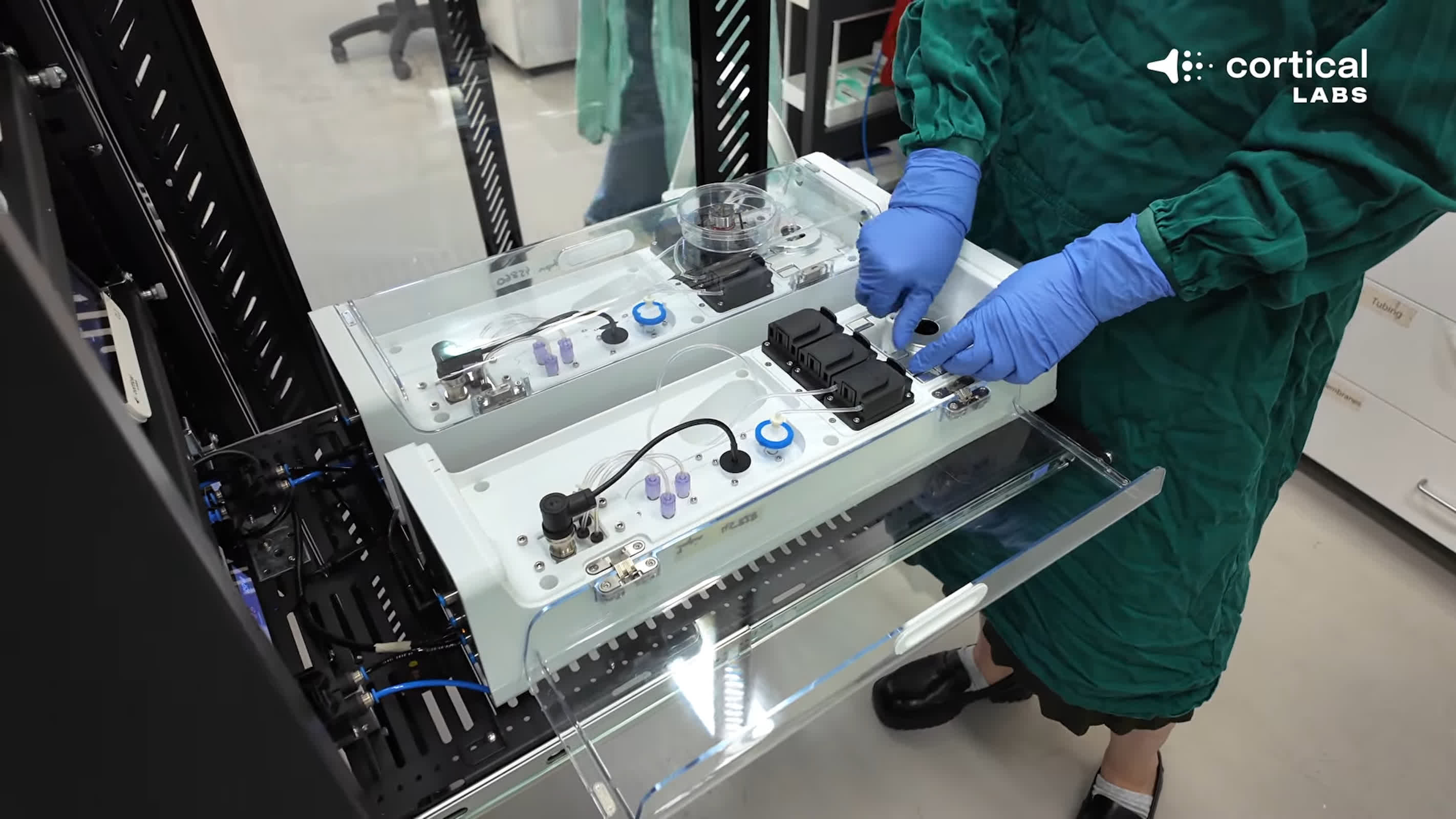
What just happened? Following news that its human brain cell-powered computer can run Doom, Australian biotech startup Cortical Labs has announced it is working on two small data centers running on the same technology.
Cortical Labs made plenty of headlines last month when its latest hardware platform, the CL1, which uses living human neurons as the core of a fully functioning computer, was demonstrated running Doom.
Now, the startup has announced a partnership with DayOne to build its first biological data center in Melbourne and another in Singapore.
The facilities will use the CL1 biological computers instead of the usual processors found in conventional data centers. According to the latest report, the Melbourne site will consist of 120 CL1 units. The Singapore project is expected to be much larger, scaling to as many as 1,000 units in phases.
An initial 20 CL1 units will be used in a validation phase at the Yong Loo Lin School of Medicine at the National University of Singapore.
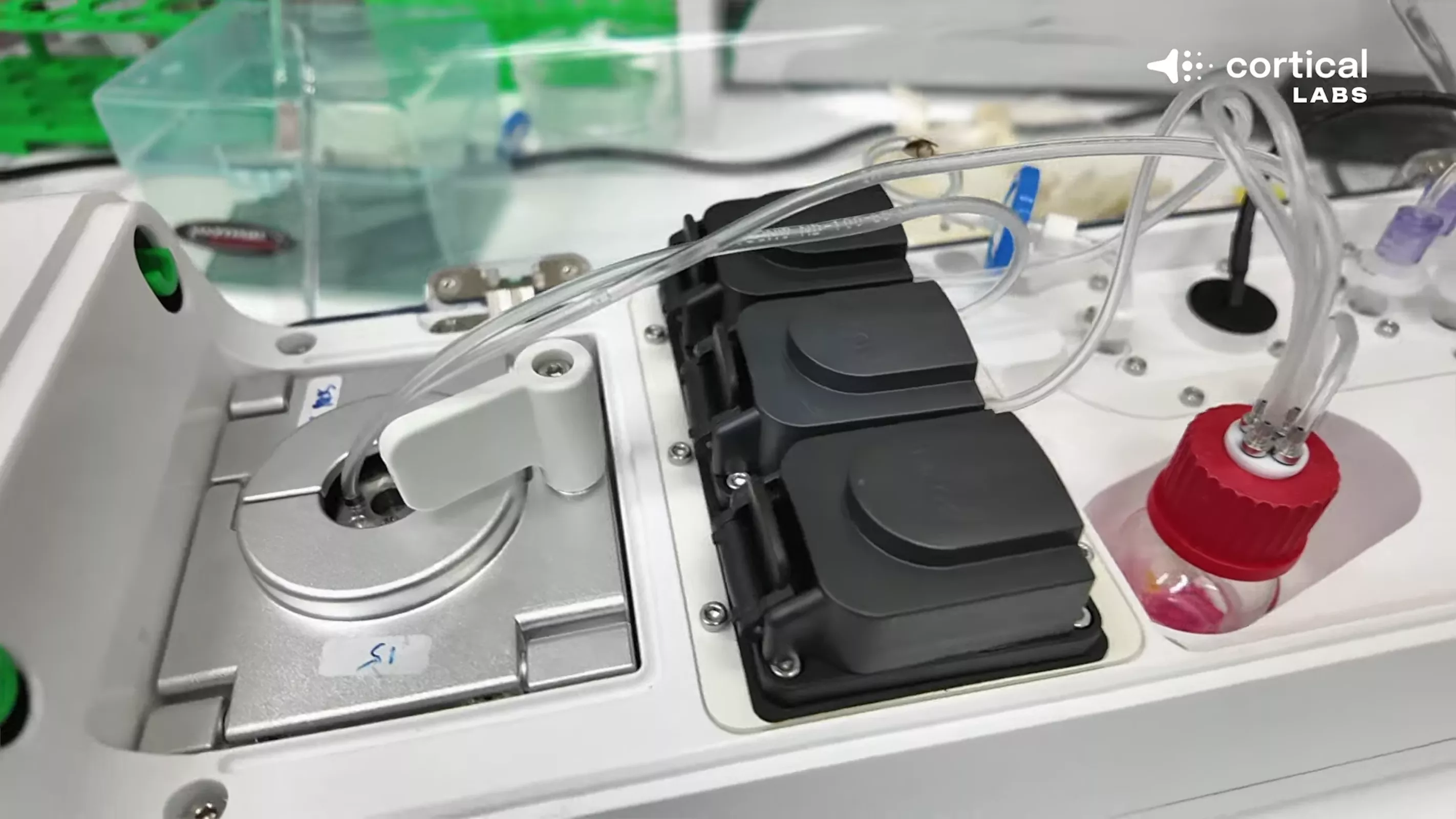
The hybrid biological computer pairs lab-grown human neurons with a silicon chip so software can communicate with living cells in real time.
Cortical Labs says the self-contained system includes on-board life support, recording, and application handling, and can keep the neurons alive for up to six months.
More recent reporting suggests the current CL1 setup uses around 200,000 neurons per unit, which is lower than some of the bigger figures attached to earlier DishBrain-era coverage.
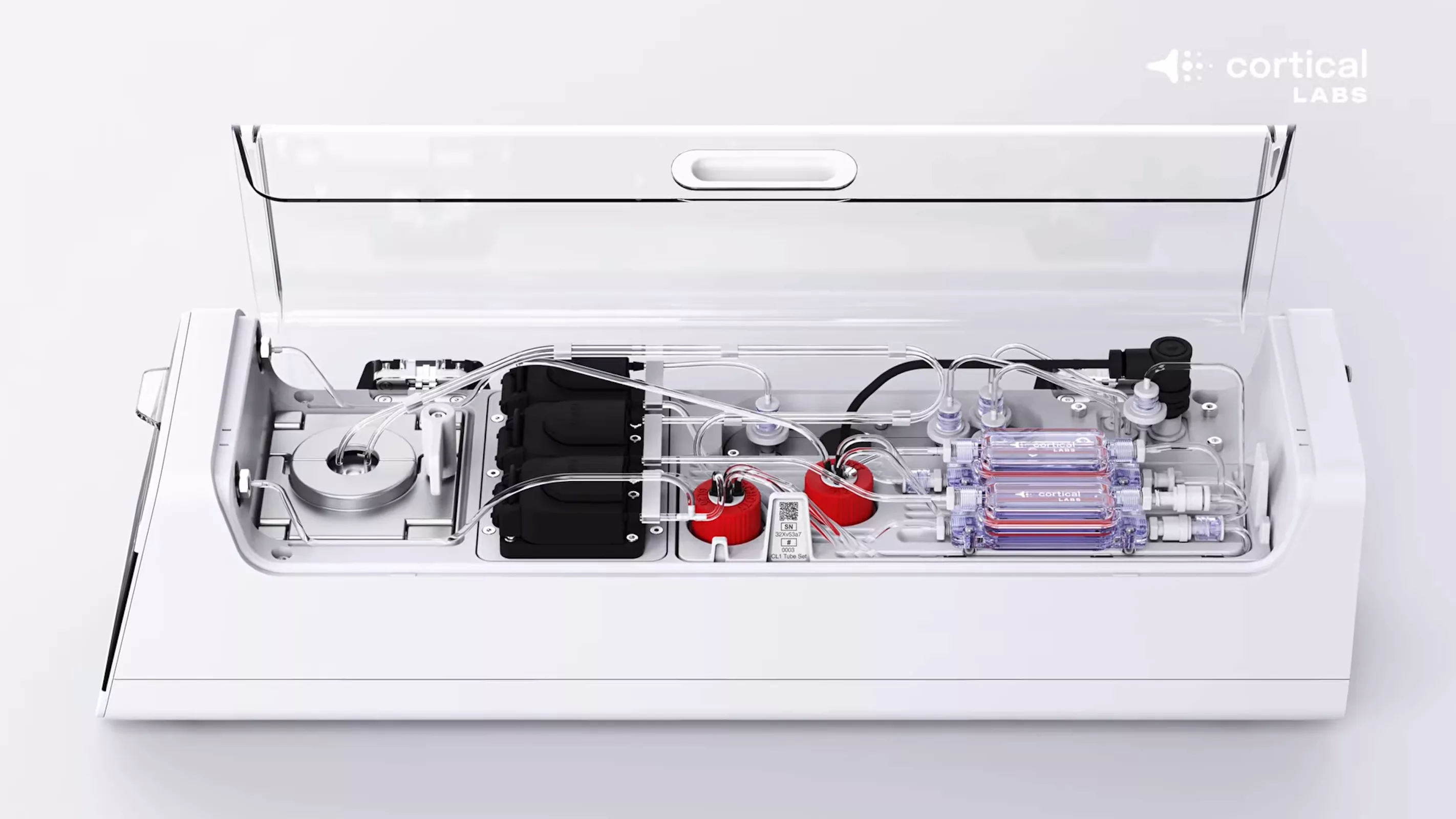
The company is also pitching the technology as a possible answer to the growing energy demands of AI infrastructure, with recent coverage claiming that each unit uses only a fraction of the power required by conventional AI chips. Cortical Labs CEO Hon Weng Chong even said the system uses less energy than a handheld calculator.
As for how it works, the neurons grow across the chip and receive electrical stimuli that represent information from a simulated environment. Their responses are then read back into Cortical's Biological Intelligence Operating System, or biOS, creating a closed loop in which the cells can adapt to feedback in real time.
The CL1 is less of a conventional processor than a programmable wetware platform: silicon handles the interfacing and control, while the biological component learns and self-organizes in ways standard hardware does not.
That also means these data centers are not being positioned as direct replacements for traditional server farms, at least not yet. Right now, Cortical Labs appears to be making the case that biological computing could carve out a niche in areas where adaptability and lower energy use matter more than raw conventional performance.