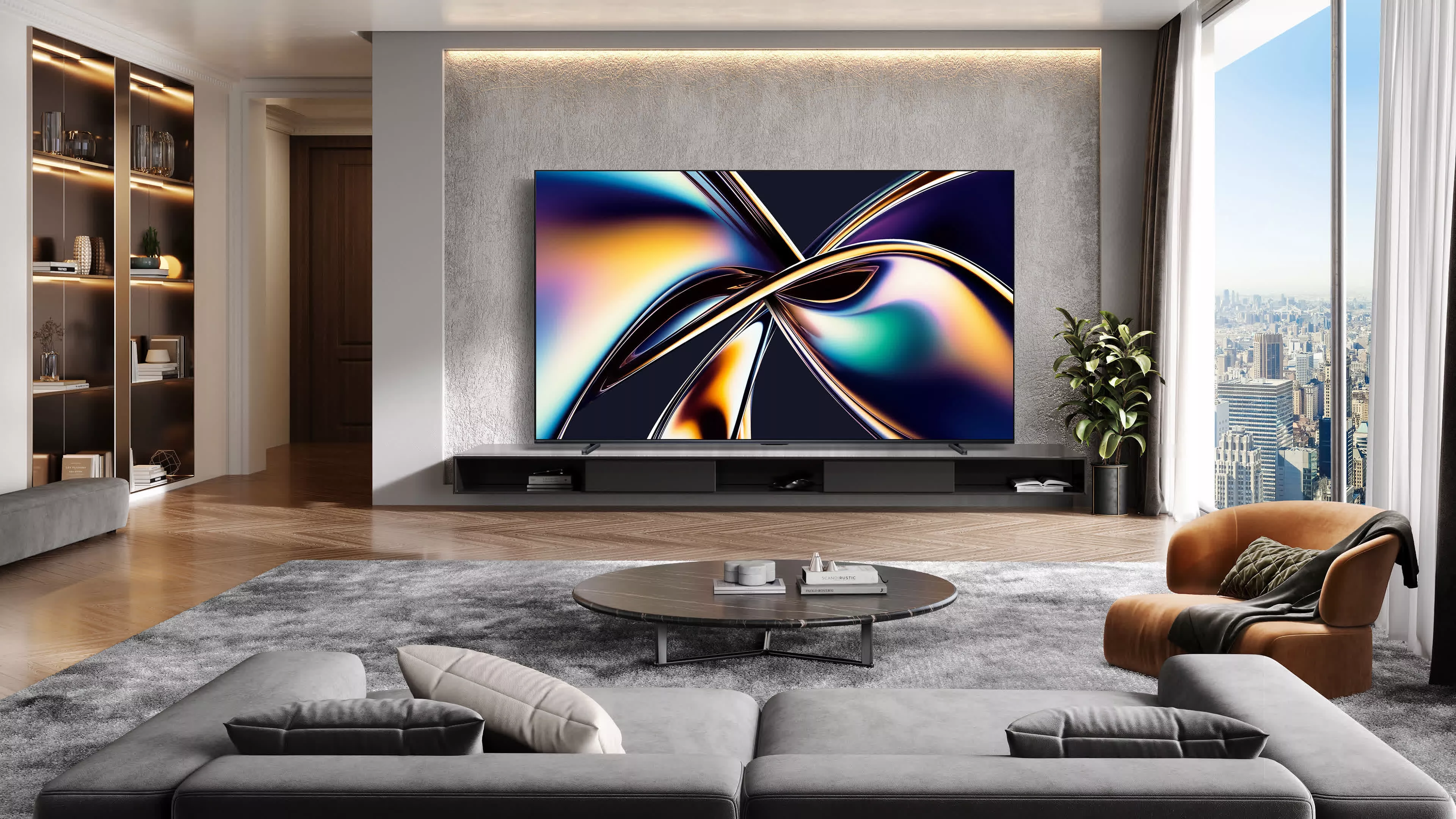
WTF?! What began as a handful of online complaints about startup ads has grown into a broader dispute over how far television makers can go to monetize their hardware. Hisense, the Chinese electronics maker known for its budget-friendly TVs, is facing criticism after users across Europe discovered non-skippable commercials playing during basic actions such as turning the set on, changing channels, or switching HDMI inputs.
The same behavior has been documented on models running Hisense's own VIDAA operating system – now rebranded Home OS – which also powers TVs sold under brands including Akai, Schneider, and Loewe. Initially dismissed as isolated reports, the issue appears to have persisted for at least a few years. One of the first public mentions came in 2022, when a Reddit user noticed sponsored content in the input selection menu. Since then, complaints have intensified, with recent videos showing full-screen ads appearing mid-navigation.
Spanish media outlets El Español and La Razón independently verified that users in Spain were forced to watch ads simply for changing channels. The same phenomenon has surfaced in the UK and Germany, according to screenshots and local forum discussions.
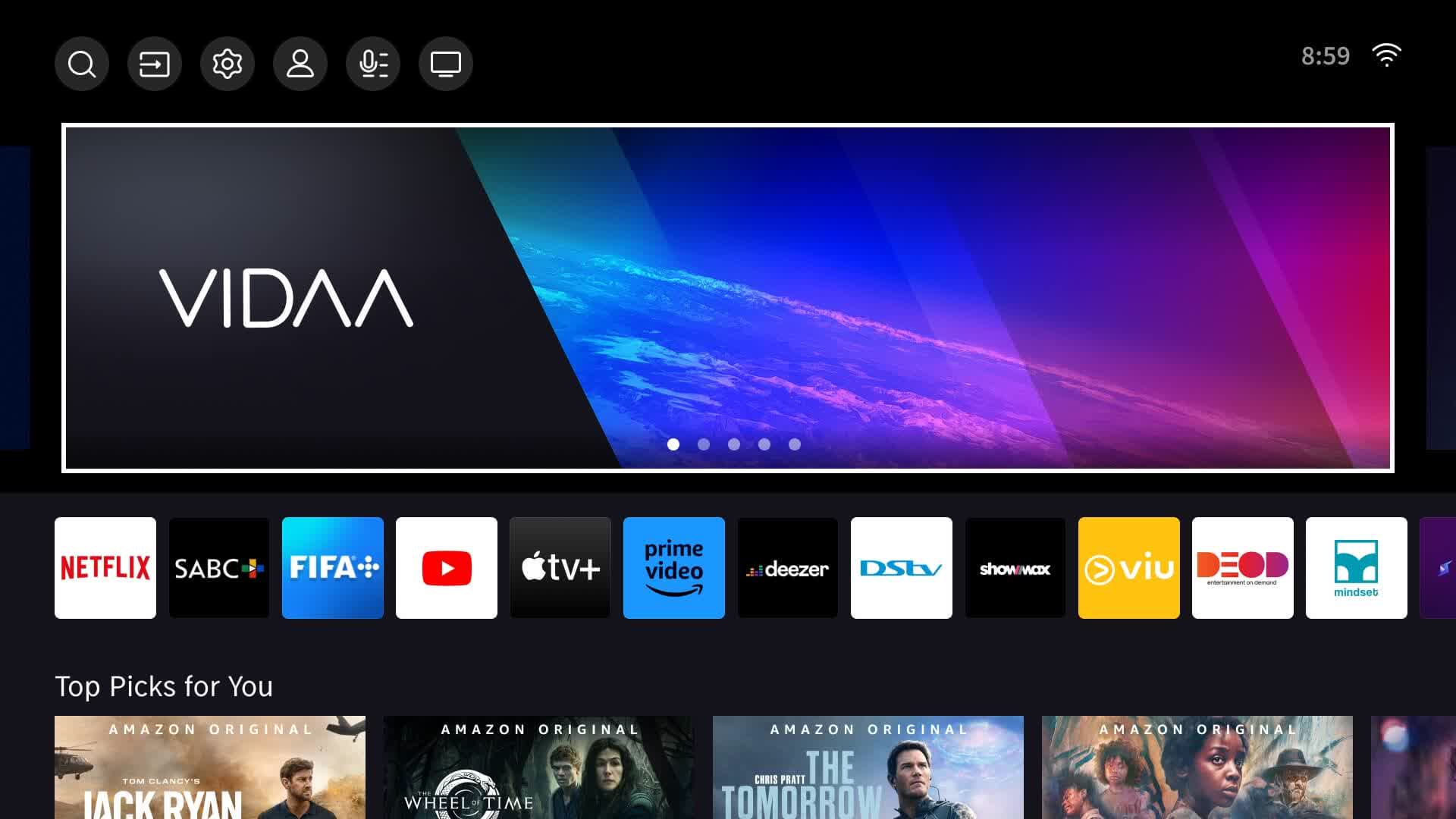
Hisense acknowledges the behavior but attributes it to a temporary "spot test" conducted only in Spain to evaluate "advertising formats linked to free content within the platform." The company insists the test did not limit functionality and claims it has "now been removed."
That explanation has done little to settle the matter. Users in other countries continue to report identical behavior, suggesting the practice extends far beyond a single market.
Technical details reinforce that suspicion. The VIDAA platform is tied to an international ad-placement partnership with Teads, a digital advertising firm with a connected-TV network spanning multiple regions.
Hisense's own support process also raises eyebrows: several users say they were able to disable the ads only after emailing the company with their TV's unique identifier to an Australian service address – evidence, some argue, that ad delivery is centrally controlled on the server side rather than within the local software.
These findings have spurred debate about user consent and post-purchase control in connected devices. Because the new ads appeared after system updates, owners had not agreed to them at the time of purchase, and many say every ad-related setting on their televisions was already switched off. Advice circulating in user forums ranges from altering DNS settings to cutting the TV off from Wi-Fi entirely.
Hisense's public statement emphasizes that customers can "normally" use all HDMI ports and apps without interruption and calls the experiment temporary and completed. Yet the timing and geographic spread of the complaints suggest a longer-running rollout.
The VIDAA operating system's own web pages list its distribution partners in Europe, including those whose devices now show similar ad behavior, hinting that the feature may be embedded deep in the shared software stack rather than implemented per market.
For a brand that built its reputation on low prices and solid picture quality, the backlash could undermine its appeal among cost-conscious buyers who prefer simplicity over monetization experiments. Smart TVs have long blended convenience with data collection, but the Hisense case crystallizes a growing frustration in the connected-device world: ownership increasingly comes with a business model attached.