SK Hynix is spending $38 billion to build two new chip fabs

Alfonso Maruccia

Posts: 2,644   +997
Staff
The big picture: Foundry corporations have repeatedly stated that the chip supply chain crisis is not going to improve anytime soon. Adding more manufacturing plants could help partially ease the industry's pain, which is exactly what SK Hynix plans to do over the next few years. Let's just hope the AI bubble doesn't burst in the meantime.
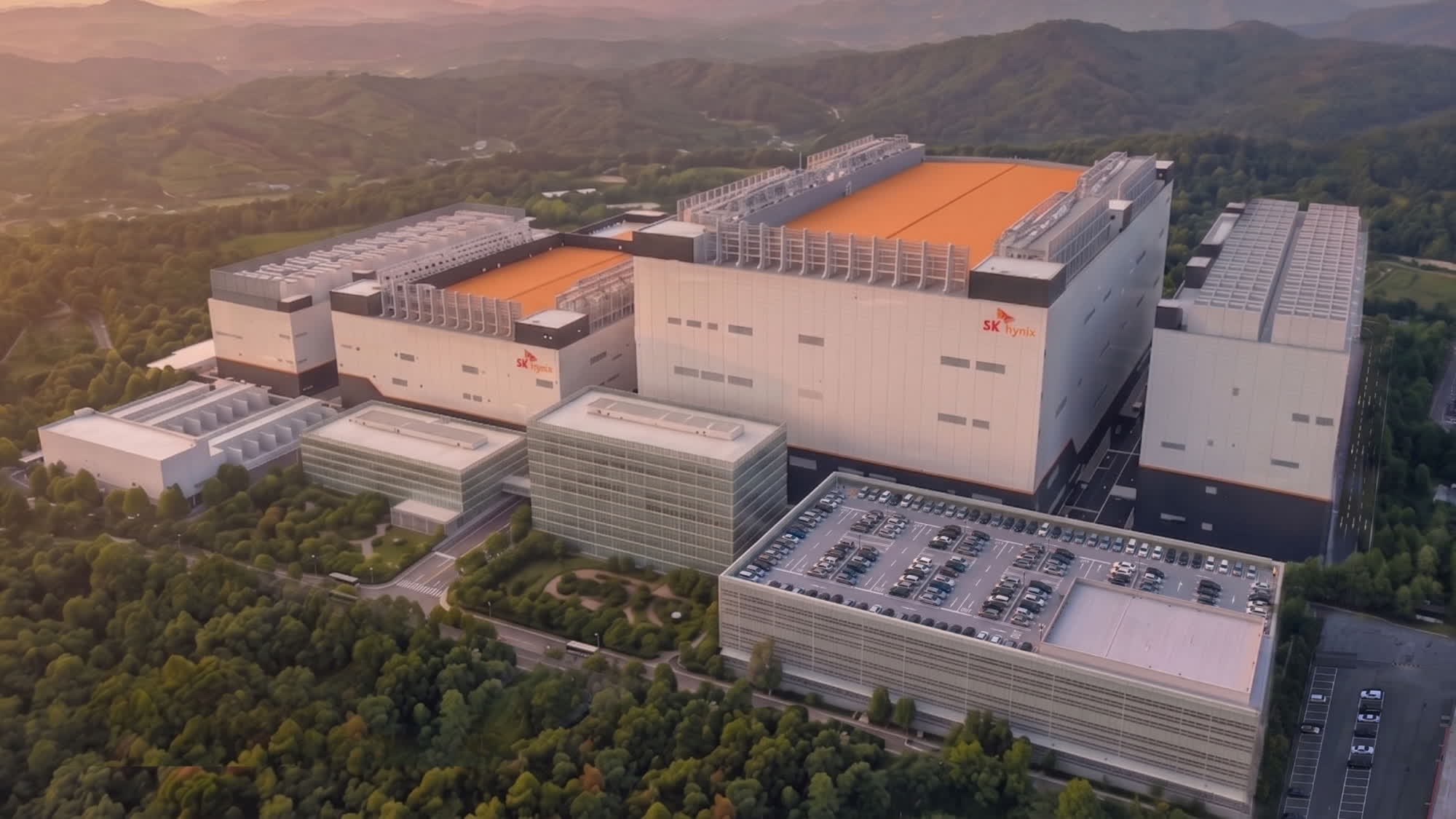
SK Hynix just announced a massive new investment to strengthen its manufacturing capacity for both DRAM and NAND flash products. The South Korean corporation, one of the world's three largest memory manufacturers alongside Samsung and Micron, is going to spend 54 trillion won ($38 billion) to build the new "Y2" and "M17" chip fabs in Yongin and Cheongju, respectively.

The new plants are part of a larger investment strategy totaling 700 trillion won. Yongin Y2 is the second of four new fabs planned for the Yongin Semiconductor Cluster. The plant will increase SK Hynix's DRAM production capacity, with construction expected to begin in July 2027.

The first cleanroom in Y2 is expected to be ready by June 2029 and will house the equipment required to produce high-bandwidth memory solutions and "next-generation" DRAM chips. Meanwhile, construction of the Cheongju M17 plant is expected to begin in February 2027. The facility is scheduled to open its first cleanroom in December 2028, with production primarily focused on NAND Flash chips.

SK Hynix acknowledges that HBM memory is now one of the most sought-after chip formats in the world. Nvidia, AMD, and other vendors are struggling to secure enough capacity to keep developing and producing new GPUs and AI accelerators for data center hyperscalers. Analysts say that new data center plans are still on paper for the most part, while Big Tech companies continue to buy up every memory chip they can find.

SK Hynix also said that demand for NAND flash is surging rapidly. The focus is once again on hyperscalers and enterprise SSDs, which are being deployed to further expand the capacity and capabilities of AI services. NAND chips are used as cache storage in AI inference workloads, with agentic AI and physical AI applications such as robots expected to drive demand even higher.

Commenting on the newly announced construction plans, an unnamed SK Hynix official said that the company aims to become "a key partner in AI infrastructure, contributing to the stability of the global AI semiconductor supply chain."
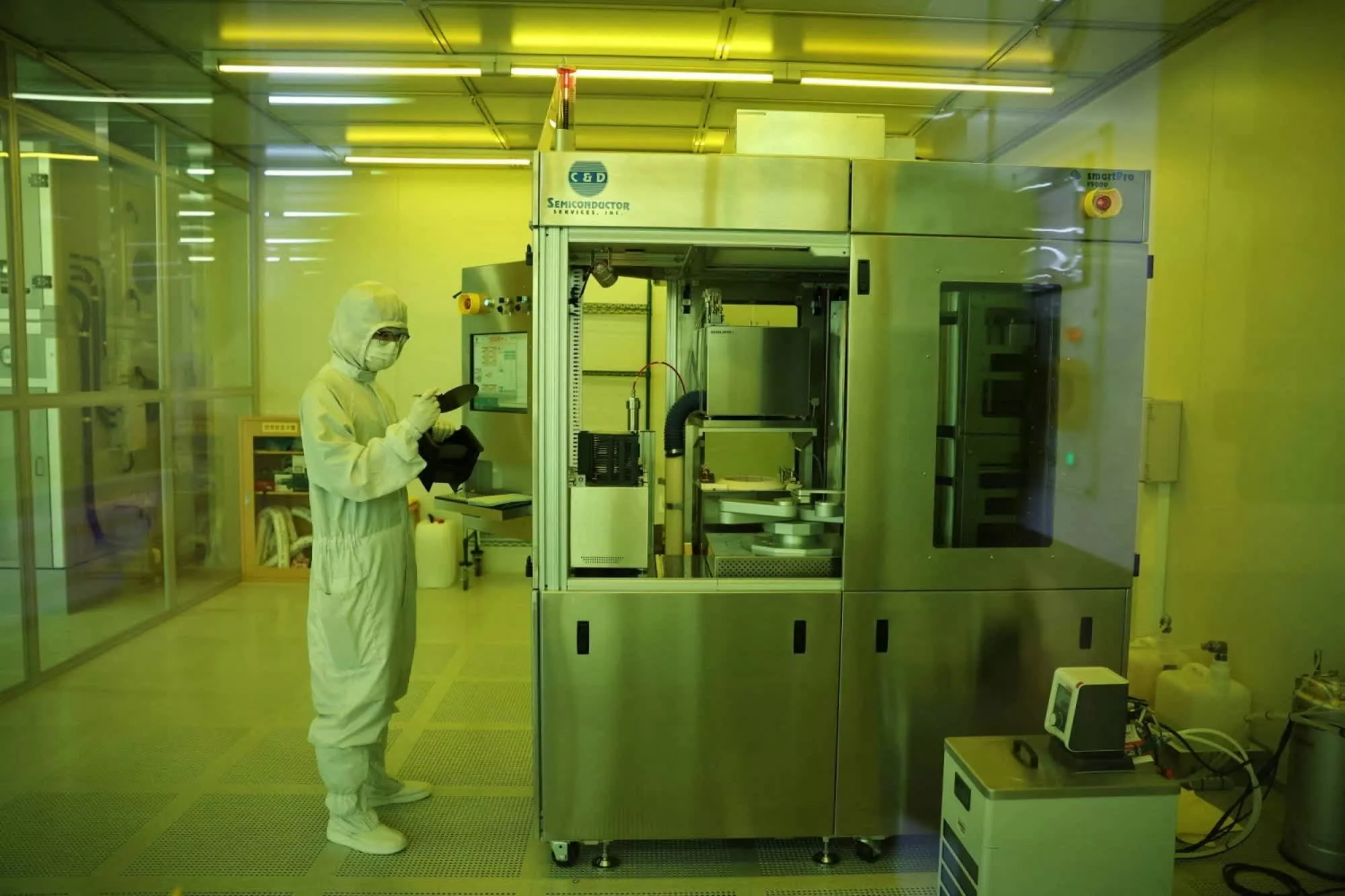
Memory manufacturers have long been criticized for their alleged unwillingness to build new manufacturing capacity, with SK Hynix predicting that the supply chain crisis will likely peak between 2027 and 2030. The new Y2 and M17 plants will certainly increase the company's production capacity, although they should come online just as the market finally begins to settle down.

Permalink to story:

 
I hate when greedy corporations take their profits and spend them on expanding supply for their customers. This will bring prices back down and then what will I complain about online?
Lol. The passage of time perhaps? Otherwise, you’ve certainly illustrated, rather neatly, how online public discourse routinely starves out substantive engagement with reality 😉
 
I hate when greedy corporations take their profits and spend them on expanding supply for their customers. This will bring prices back down and then what will I complain about online?
Looks like you won't profit from the lower prices should those happen. They're exclusively catering to their AI server customers. Unless you're one of those customers of course.
 
Memory manufacturers have long been criticized for their alleged unwillingness to build new manufacturing capacity
@Alfonso Maruccia continues his campaign of inventing facts to support a narrative. No reputable industry observer has "long criticized" memory makers for failing to build new capacity, because they've been spending huge sums to expand capacity since 2024, when the 2023 DRAM price crash ended. The problem is that these fabs take several years to come online, and demand continues to increase faster than supply.

Looks like you won't profit from the lower prices should those happen. They're exclusively catering to their AI server customers.
Who told you something so absurd? More importantly: why did you you believe it?
 
USA USA

SK Hynix’s major investments and activities in the United States include a $3.87 billion advanced packaging plant in Indiana, a $10 billion dedicated AI investment arm, and a historic $26.5 billion U.S. stock market debut.

Manufacturing and Infrastructure

Indiana Advanced Facility: Committing $3.87 billion to build an advanced chip-packaging and research facility for high-bandwidth memory (HBM) chips, with production targeted to begin in 2028.

Supply Chain Strategy: Positioning packaging and R&D operations closer to major U.S. artificial intelligence and tech customers like Nvidia.
 
Lol. The passage of time perhaps? Otherwise, you’ve certainly illustrated, rather neatly, how online public discourse routinely starves out substantive engagement with reality 😉
It won’t bring prices down though as it’ll be producing HBM which hasn’t been in consumer products since Vega
 
But that HBM is displacing GDDR used in AI GPUs currently.
And they can’t make enough HBM so they’re building new lines to make more HBM. If you make 10 HBM. Hips per minute and have a demand of 30 per minute so you move most of your lines to make a total of 15 and then build new lines to make 25 you’re still lower than demand
 
I hate when greedy corporations take their profits and spend them on expanding supply for their customers. This will bring prices back down and then what will I complain about online?
I see It sligthly different from reports I've read. It allegedly started with Open AI buying out huge amounts of DDR5 wafers, while Their DataCenter build-out slowed down, actually taking dozens of month into future. They artificially created supply issue, maybe to boost Their stock value. The problem is, by the time those data centers will stand, and get their electricity supply online, AI machines will move to DDR6 for the best performing chips. What will happen with those warehouses full of uncut DDR5? Who will absorb the losses? Will consumers will be priced out of DDR6, but have the oversupply of dirt chip DDR5? Will AMD and Intel move to DDR6 supported CPUs and have Us struggle for second hand overpriced DDR5 supported CPUs and Motherboards, like They did with original 5x00X3D CPUs? Are We looking at the artificial MiddleAges in personal computing and should really abandon PCs and move to consuming nearly-dead, AI driven, Internet on smartphones and SmartTVs? Is gardening trully the future of My past-time? Does Steve Walton has a plan for that scenario?
 
Last edited:
Back