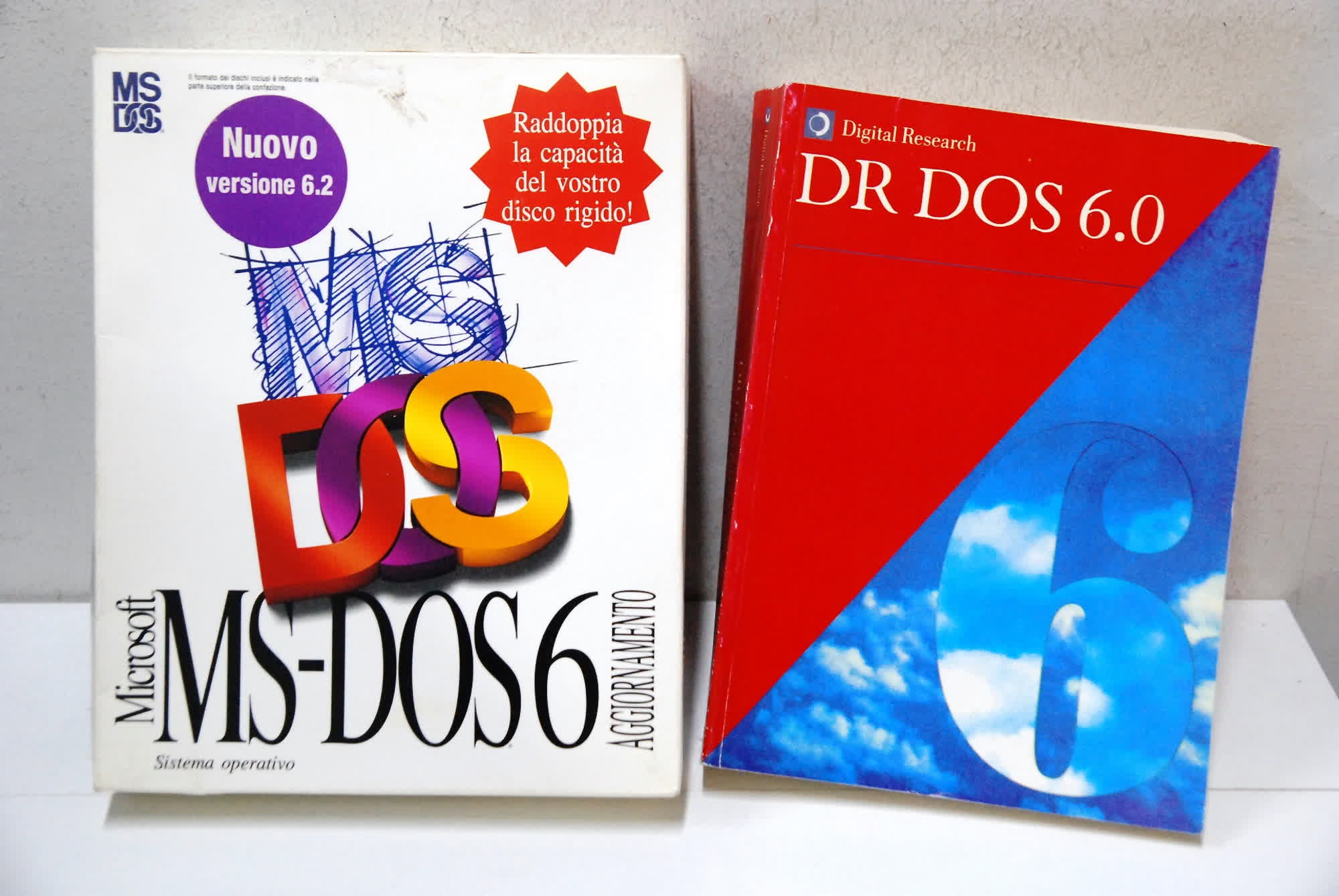
Halcyon DOS Days: Back in the command prompt days, DR-DOS was one of the main competitors to MS-DOS in the operating system market. Those days are long gone, but a mysterious developer is reviving the ancient DR-DOS project after acquiring the original IP.
A one-man company named Whitehorn Ltd. Co. recently announced that DR-DOS is coming back. The "new" text-based operating system has a proper website now, and claims to be carrying forward the legacy of Gary Kildall, whose work helped shape early personal computing. Kildall founded Digital Research in 1974, creating the CP/M operating system and pioneering BIOS-related technologies that later played a major role in the rise of the IBM PC ecosystem.
According to the project's website, DR-DOS was a technically superior alternative to MS-DOS when it debuted in 1988. The upcoming DR-DOS 9 release is being built from scratch – an "unencumbered" DOS implementation designed for a new generation of hackers, developers, and retro computing enthusiasts.
Whitehorn's owner explained on Reddit that DR-DOS 9 contains no FreeDOS or legacy DOS code, relying instead on entirely new code written from scratch based on the system's original specifications. The developer also claims to own the DR-DOS intellectual property and trademark rights, arguing that the project is "actually DR-DOS," not just a clone or spiritual successor.
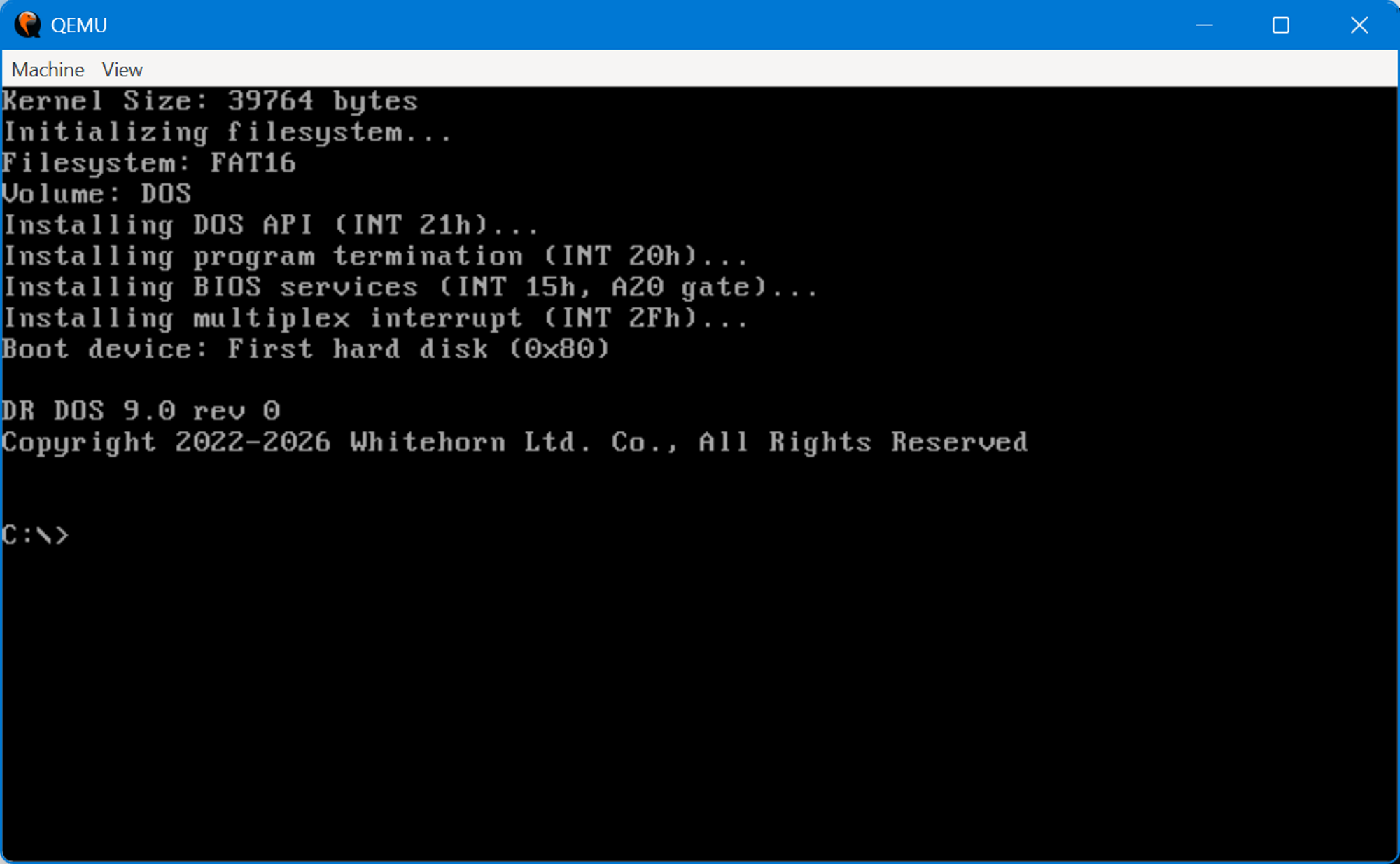
The developer has adopted a strict development philosophy, focusing on rebuilding DR-DOS entirely in assembly language. Other open-source projects such as FreeDOS, EDR-DOS, and SvarDOS take different approaches and target different audiences, and the developer says there is room for all of them.
DR-DOS 9.0 is primarily aimed at DOS enthusiasts and retro computing hobbyists, as well as developers working in low-level programming or embedded systems. The new DOS environment could also serve educational purposes, offering a platform for studying classic operating systems, testing compatibility with legacy DOS software, and experimenting with low-level hacking.
Hackers will have access to specialized tools and commands for manipulating system memory, Whitehorn said. Additional utilities will handle file management, text editing, system administration, debugging, mouse support, and system reboot functions.
DR-DOS 9.0 is now in active development with frequent beta releases. It requires at least a 32-bit 386 CPU and 2MB of RAM to run, and should also work well in virtual machines and PC emulators.
Whitehorn says he's already tested several period-accurate games and applications, including Doom, Warcraft, SimCity, Stronghold, Commander Keen, and The Oregon Trail. Compatibility remains a work in progress, although the project's ultimate goal is full compatibility with the original MS-DOS environment.