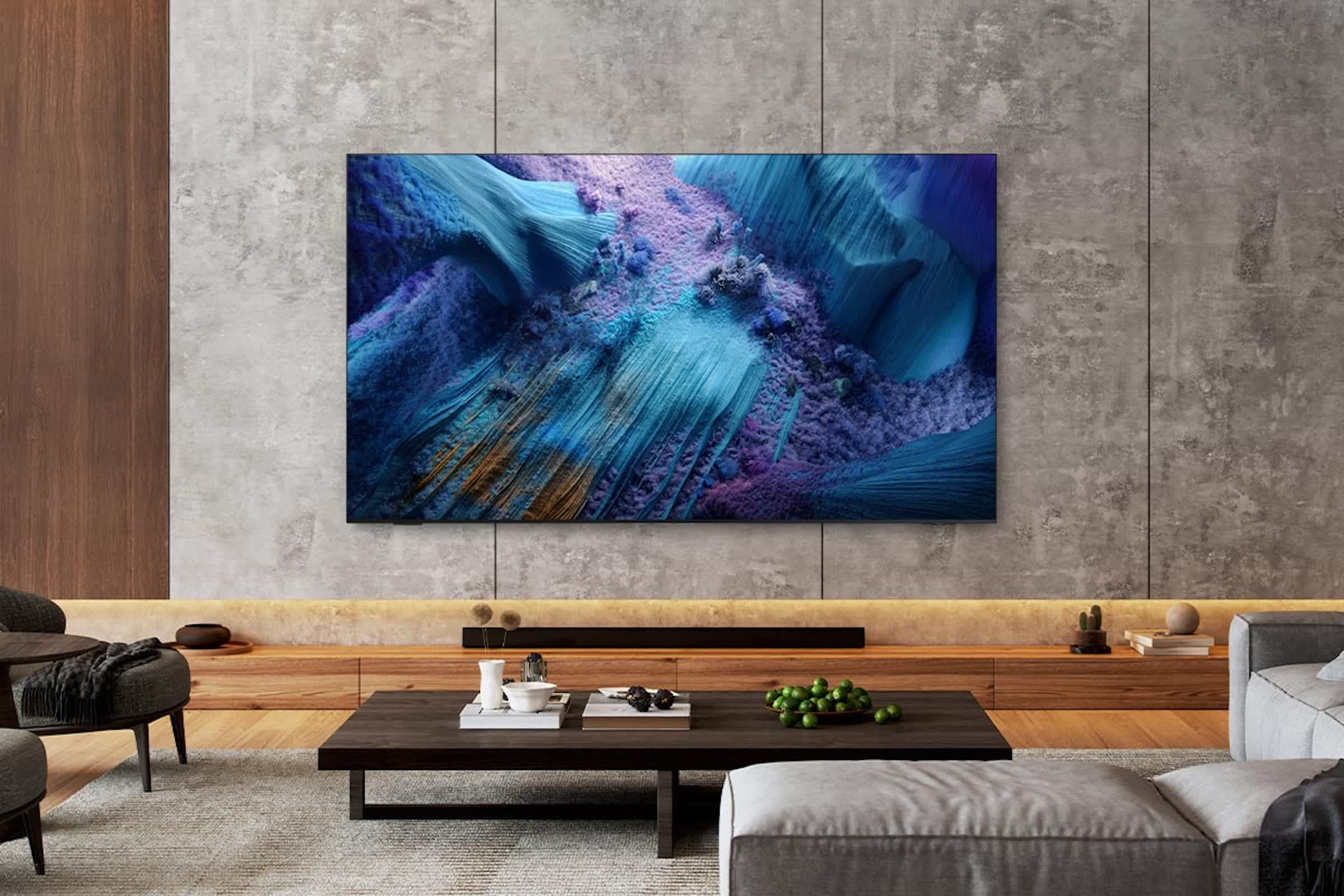
What just happened? A Munich court has sided with Samsung in a dispute over what counts as genuine QLED technology, ordering Chinese electronics maker TCL to halt the sale and advertising of certain television models in Germany. The ruling, which found TCL in violation of Germany's unfair competition law, highlights the deepening divisions within the display industry over how manufacturers define and market quantum dot panels.
A central question was whether TCL's 'QLED' televisions actually used quantum dots – the nanoscale semiconductor particles that give QLED displays their enhanced color range and brightness. According to the court, TCL's advertised QLED models "do not deliver the color reproduction expected from QLED TVs," effectively misleading consumers about the underlying display technology.
The ruling applies specifically to TCL's QLED870 series and other models sold in Germany, but similar lawsuits are already moving forward in the United States and elsewhere. Samsung, which helped bring QLED technology to market, initiated the complaint, arguing that TCL's branding misleads customers and dilutes the QLED label.
The legal battle builds on scientific disputes that emerged in late 2024, when South Korean outlet ET News published the results of laboratory tests commissioned by Hansol Chemical, a Samsung partner specializing in chemical materials for displays.
Independent labs, SGS in Geneva and Intertek in the United Kingdom, tested three TCL television models that the company marketed as quantum dot (QD) displays. The researchers found no trace of indium or cadmium – two elements integral to forming light-emitting quantum dots – within those TVs.
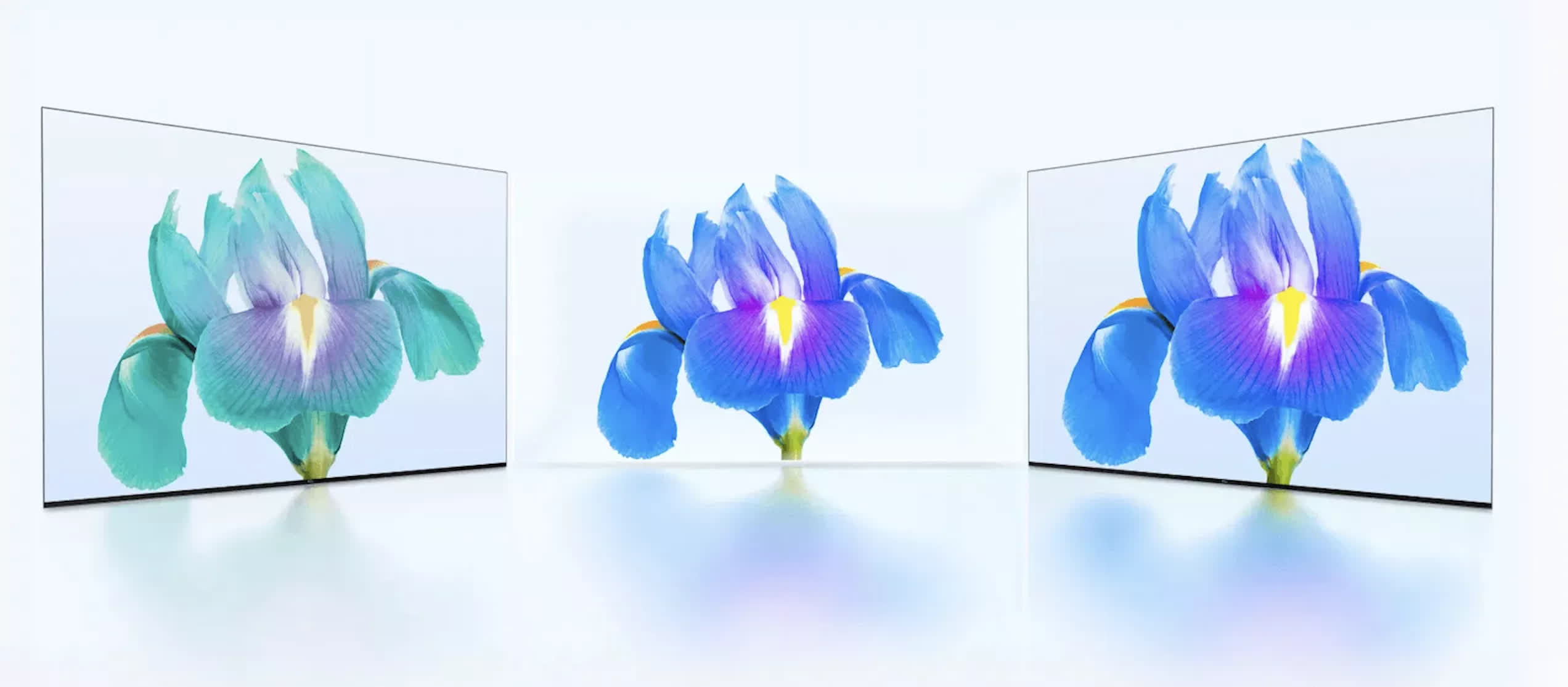
In the display industry, indium phosphide or cadmium selenide compounds are typically used to produce the quantum dots that drive QLED color performance. The absence of those materials, the report concluded, meant TCL's televisions did not contain true quantum dots, despite being sold as such.
TCL rejected those findings and presented results from its own laboratory tests, including one conducted by SGS, the same firm used by Hansol Chemical. In TCL's version of the analysis, which focused on the company's quantum dot film layers rather than the finished televisions, the results confirmed the presence of cadmium compounds, suggesting that the disputed models did incorporate quantum dot materials. The company said that variation "may depend on supplier and production batch," but argued that the technology in question met industry expectations for QLED performance.
The contradiction between the two sets of results hinges largely on testing methods. Whereas Hansol's commissioned labs analyzed complete televisions, TCL's evaluations examined isolated display components. That distinction has fueled debate over which approach more accurately represents a TV's marketed properties, and whether TCL's displays achieve similar visual outcomes even if their internal chemistry diverges from strict QLED definitions.
The German decision is the first major legal outcome in the dispute, though it's likely not the last. Hansol Chemical has since filed a complaint with the US Federal Trade Commission accusing TCL of false advertising, and class-action cases are underway in multiple US states. Rival Chinese brand Hisense has also faced similar complaints, suggesting that the boundaries of "quantum dot" marketing are becoming harder to police.
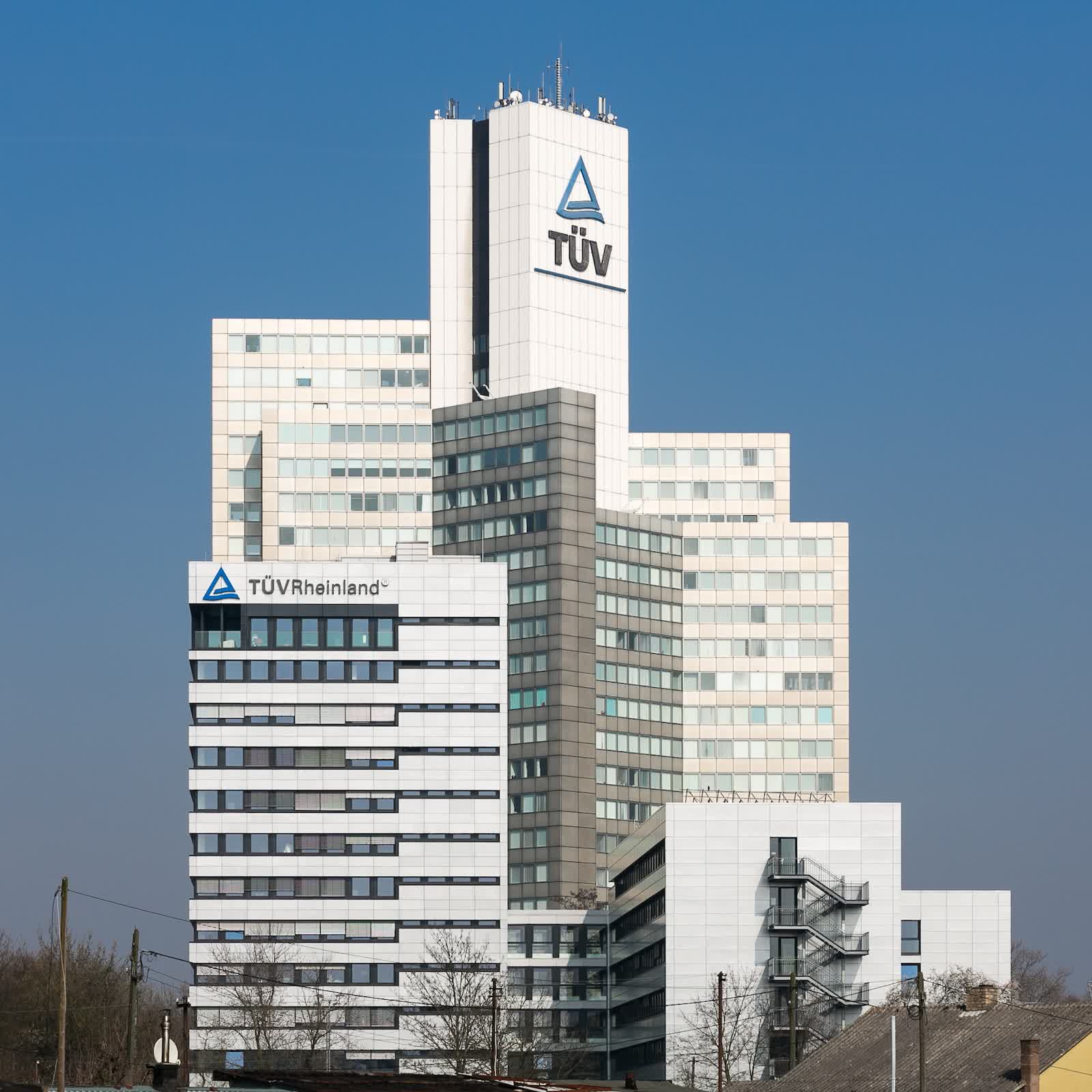
The confusion extends to the certification process itself. Germany's TÜV Rheinland, one of the most recognized independent testing groups in consumer electronics, has granted official marks to both Samsung and TCL – but for different criteria.
Samsung's displays were certified as "Real Quantum Dot Display," while TCL received certification for "Realistic Visual Experience," a general performance category that doesn't explicitly address the use of quantum dots.
For TCL, Germany's injunction means a temporary halt on certain models. Besides its immediate commercial impact, the ruling could push regulators in other markets to revisit how advanced display technologies are labeled.
As competing formats – QLED, OLED, mini-LED, and emerging QD-OLED hybrids – gain complexity, the absence of transparent standards risks turning technical innovation into a branding exercise rather than a matter of engineering.