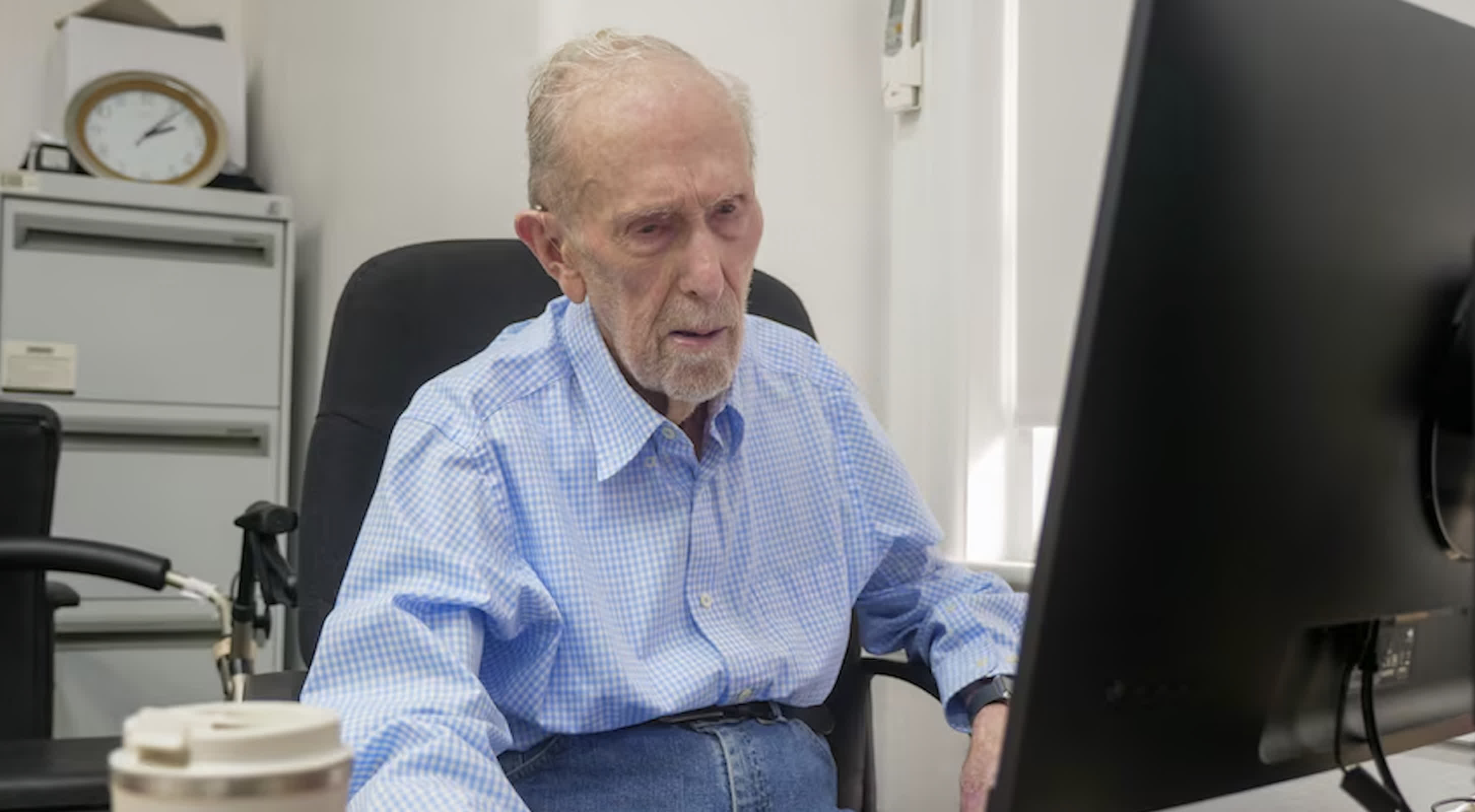
In context: At a modest community center in Turramurra, a suburb on Sydney's North Shore, the glow of a projector screen illuminates a scene few would expect in today's fast-paced tech culture. Seated before the display is Dean Simes, a 102-year-old instructor guiding seniors through the anatomy of WhatsApp notifications and the logic of Microsoft Excel formulas. The man, who may be Australia's oldest tech mentor, is quite literally teaching his peers how to keep pace with the digital world.
Simes presides over Computer Pals, a volunteer-run group devoted to helping older adults develop digital literacy. Under his guidance, the club's lessons range from navigating Windows 11 to distinguishing between legitimate and malicious links online. His authority doesn't stem from age or nostalgia but from curiosity – an instinct that led him from the mining industry into computer education later in life.
When the club began in 2000, Microsoft's XP operating system had just debuted. Today, Simes leads tutorials across a variety of software environments, sometimes using AI-generated outlines projected on the screen. The classes are hands-on: students like 94-year-old Vera Last and her husband Michael practice setting up Android apps rather than passively watching. "When you're shown how to do something, don't just be shown," Simes advises. "Do it yourself, under supervision, go home, and do it again and again."
That approach reflects decades of informal learning theory: repetition reinforces neuronal pathways, especially as working memory declines with age. Simes embodies this principle through practice. He first encountered computers while working as a consultant in the 1980s but didn't own one until his 80s, when he purchased a second-hand model.

What began as frustration became fascination: Simes enrolled in a three-year TAFE course to better understand systems, interfaces, and hardware. Eventually, he turned that knowledge outward, helping others climb the same technological learning curve.
Now president of Computer Pals, Simes manages the club's equipment and curriculum while continuing to introduce new topics. Recently, he added lessons on AI-powered search engines – tools he regards as promising but imperfect. The key, he tells students, is specificity: "If you ask a general question, you might find yourself down a rabbit hole, chasing things that had nothing to do with what you want."
The scientific side of digital aging has evolved alongside Simes's own journey. Experts like digital literacy advocate Jocelyn Brewer note that younger people who grow up with emerging technology tend to be more hands-on. But mindset matters as much as experience. "Numbers and age are really a construct," Brewer tells ABC Radio Sydney. "It's really about your mindset." She adds that anyone accessing the internet needs to understand not just its technical aspects, but also its psychological impacts and associated risks.
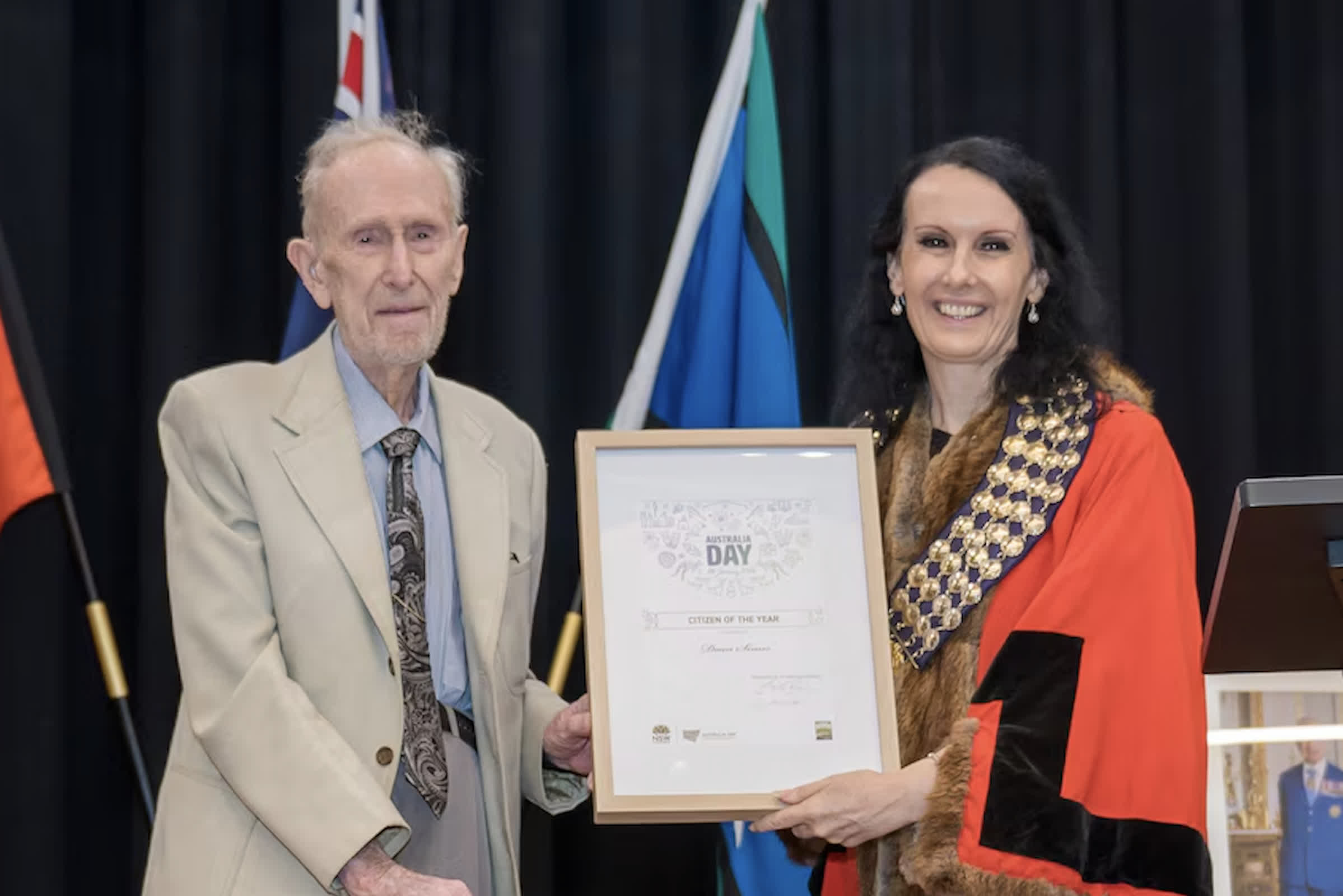
Ku-ring-gai Council recently recognized Simes as Local Citizen of the Year, honoring his contributions to keeping older Australians digitally engaged. Mayor Christine Kay calls him the "go-to person for all tech issues," crediting Computer Pals as a wonderful community group that empowers senior citizens to access digital technology and learn new skills.
Outside the club, Simes lives with purpose and structure: bridge games, gym routines to maintain muscle tone, gatherings with his six children, and even regular drives around Sydney. These activities, combined with mental engagement through teaching, align closely with neuroscientific findings on cognitive preservation. A routine that blends physical, social, and intellectual challenges can slow age-related decline – a truth Simes seems to prove every time he powers up a computer.
He admits he'll one day have to hand over the club to someone younger, but not yet. "I suppose it stops me from being a couch potato," he says. There's always another question to answer, another student to coach through an online form or a messaging app. For now, Australia's oldest tech support man continues to debug not just computers, but the digital fears of an entire generation.
Image credit: ABC Radio Sydney