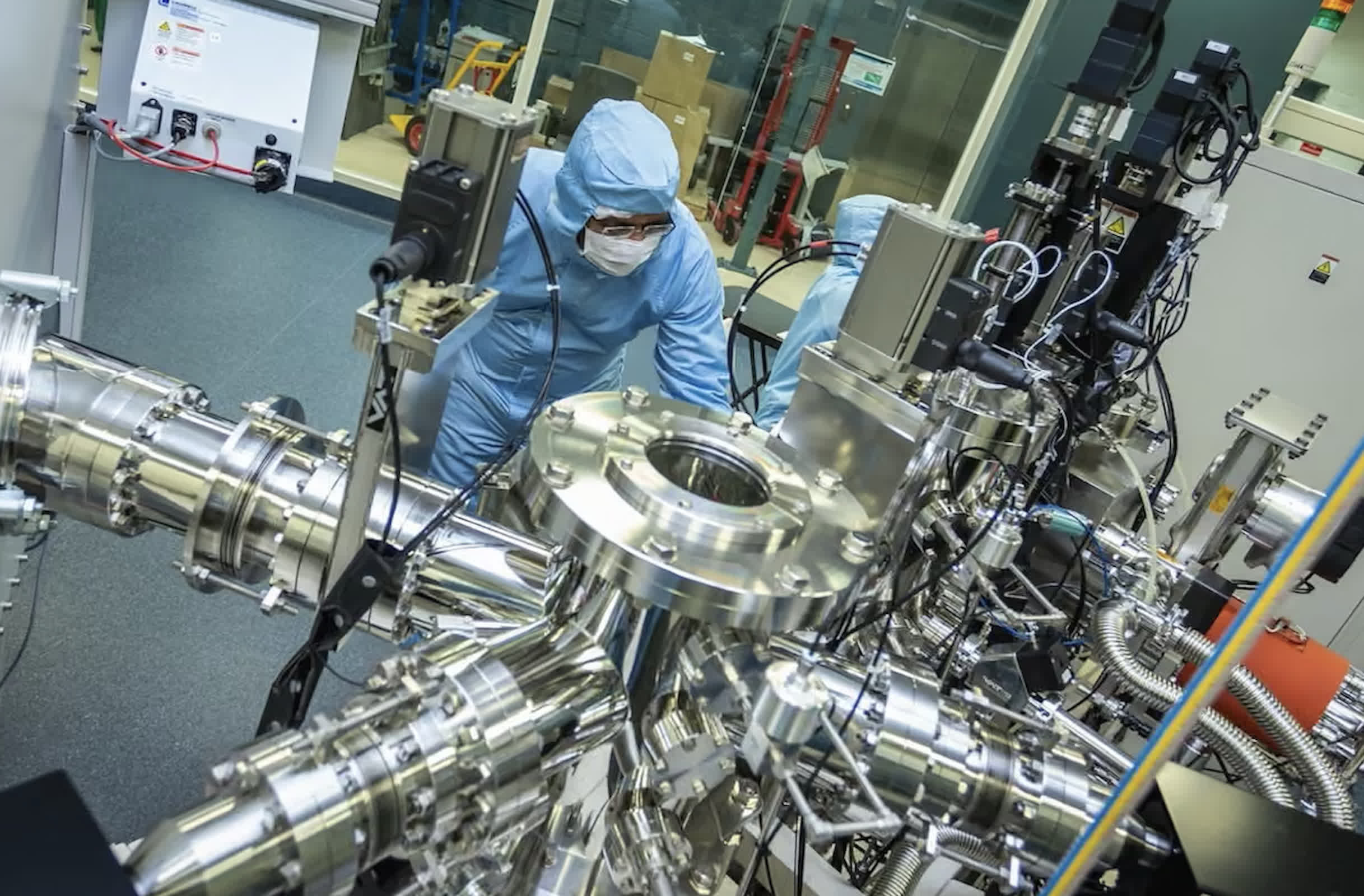
Why it matters: The vision of a battery that can recharge almost instantly and become more efficient as it grows has taken a tangible step forward in Australia. In a development that links two of the most complex areas of physics and energy storage, researchers at the country's national science agency, CSIRO, have unveiled what they describe as the first working prototype of a quantum battery.
The achievement marks the first time scientists have built a device that can be charged, store energy, and release it again using the laws of quantum mechanics. The team, led by CSIRO physicist James Quach, calls the system a "proof of concept," transforming a theoretical model into a functioning nanoscopic power unit. Their findings appear in Light: Science & Applications.
Unlike traditional batteries, which charge more slowly as their size increases, quantum batteries exploit a principle known as collective effects. In this regime, multiple quantum cells interact, so the system charges faster as more are added. The counterintuitive nature of this process, predicted a decade ago, has now been demonstrated in hardware for the first time.
Quach's group had shown in earlier work that quantum cells can share energy collectively, but the challenge lay in drawing the energy back out once it was stored. The new device solves that problem.
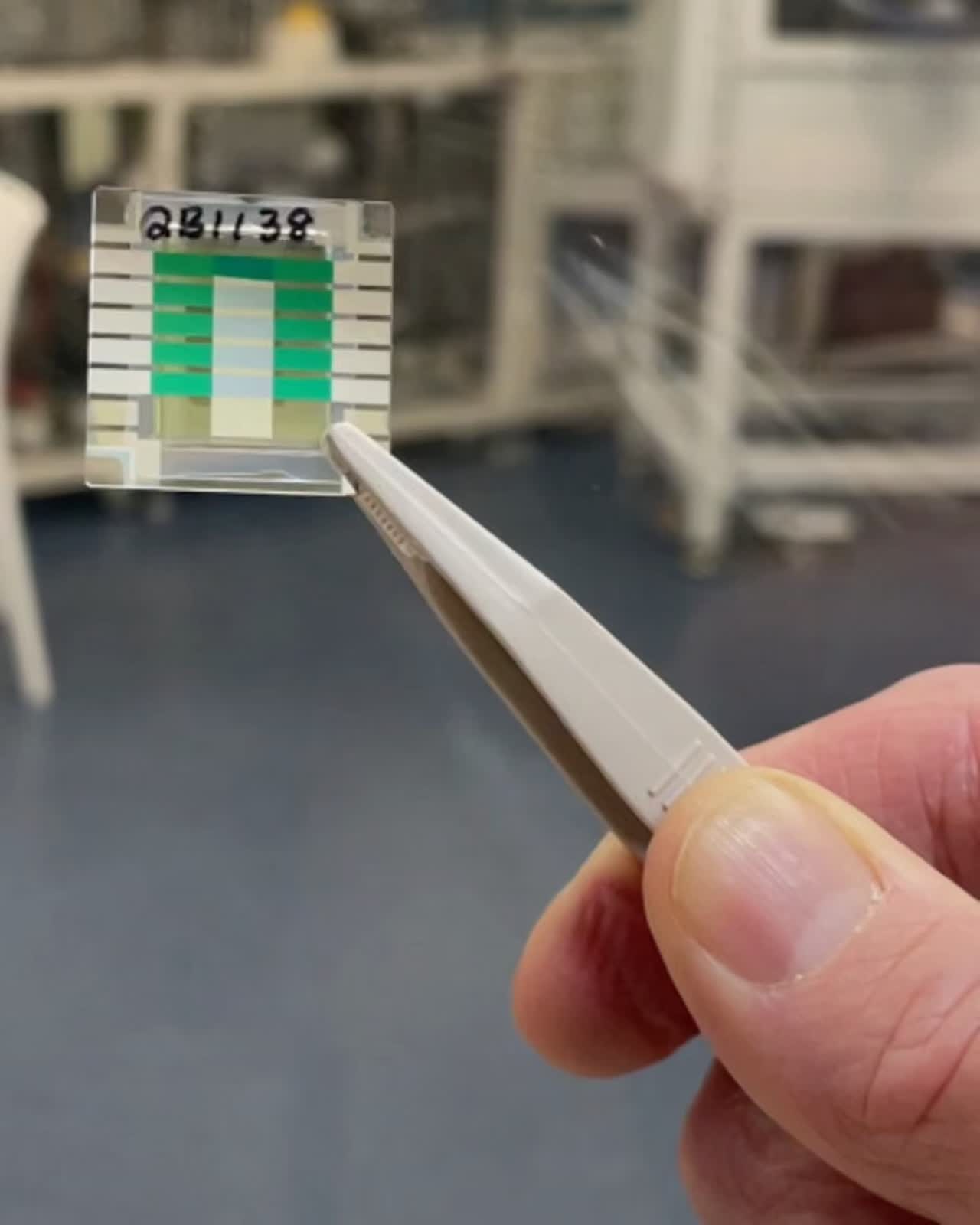
Charged wirelessly using a laser, the battery reached full charge in mere femtoseconds – quadrillionths of a second – and retained its energy for nanoseconds, about six orders of magnitude longer than the charging time. Quach noted that, by the same scaling, a battery that took one minute to charge "would stay charged for a couple of years."
At present, the prototype's capacity measures only a few billion electronvolts, which is far too little to run a real device, but Quach sees that as an early limitation. "What we need to do next is … to increase the storage time," he said, emphasizing the need to keep energy stable long enough for practical applications such as communication electronics.
The technology's future value may lie first with quantum computers. Because those systems operate on quantum states that require extreme precision and minimal energy disturbance, a battery capable of supplying energy "coherently" could prove transformative.
Andrew White, who runs the quantum technology laboratory at the University of Queensland and was not involved in the project, told The Guardian that the result was "a really nice piece of work showing that the quantum battery is more than an idea; it's now a working prototype."
The experiment points toward a class of ultra-fast-charging devices that could one day power advanced processors or even be charged remotely while in motion. Quach imagines future machines – drones or vehicles – drawing energy while operating, their batteries replenished wirelessly through quantum-controlled light sources.