
Facepalm: At this point, end users and consumer hardware enthusiasts are hoping the AI bubble will finally burst once and for all. Meanwhile, chip manufacturers remain unable to keep up with the explosive demand from Big Tech and AI data center ventures. SK Hynix now predicts that the silicon industry won't return to a more rational state anytime soon. It's better to prepare for the worst.
According to recent statements by SK Group chairman Chey Tae-won, ongoing issues in the memory and silicon supply chain are unlikely to improve for another four to five years. SK Group owns SK Hynix, the world's third-largest semiconductor manufacturer and an integrated device manufacturer with in-house foundry capabilities. While SK Hynix is currently experiencing a surge in revenue, it still cannot meet the demand from its enterprise customers.
Chey Tae-won spoke with reporters during Nvidia's GTC event in San Jose, California, confirming that SK Hynix and other major players in the silicon industry are expected to fall short of customer demand until 2030. The South Korean company is already struggling with a 20% backlog of orders for basic wafers needed to produce new memory chips.
SK Hynix now controls more than 50% of the global market for high-performance HBM memory chips, along with 32% of the overall DRAM market. Together with Samsung and Micron, the company is playing a major role in the AI sector and the broader technology industry. Prices are skyrocketing – but that's not even the worst part of the problem.
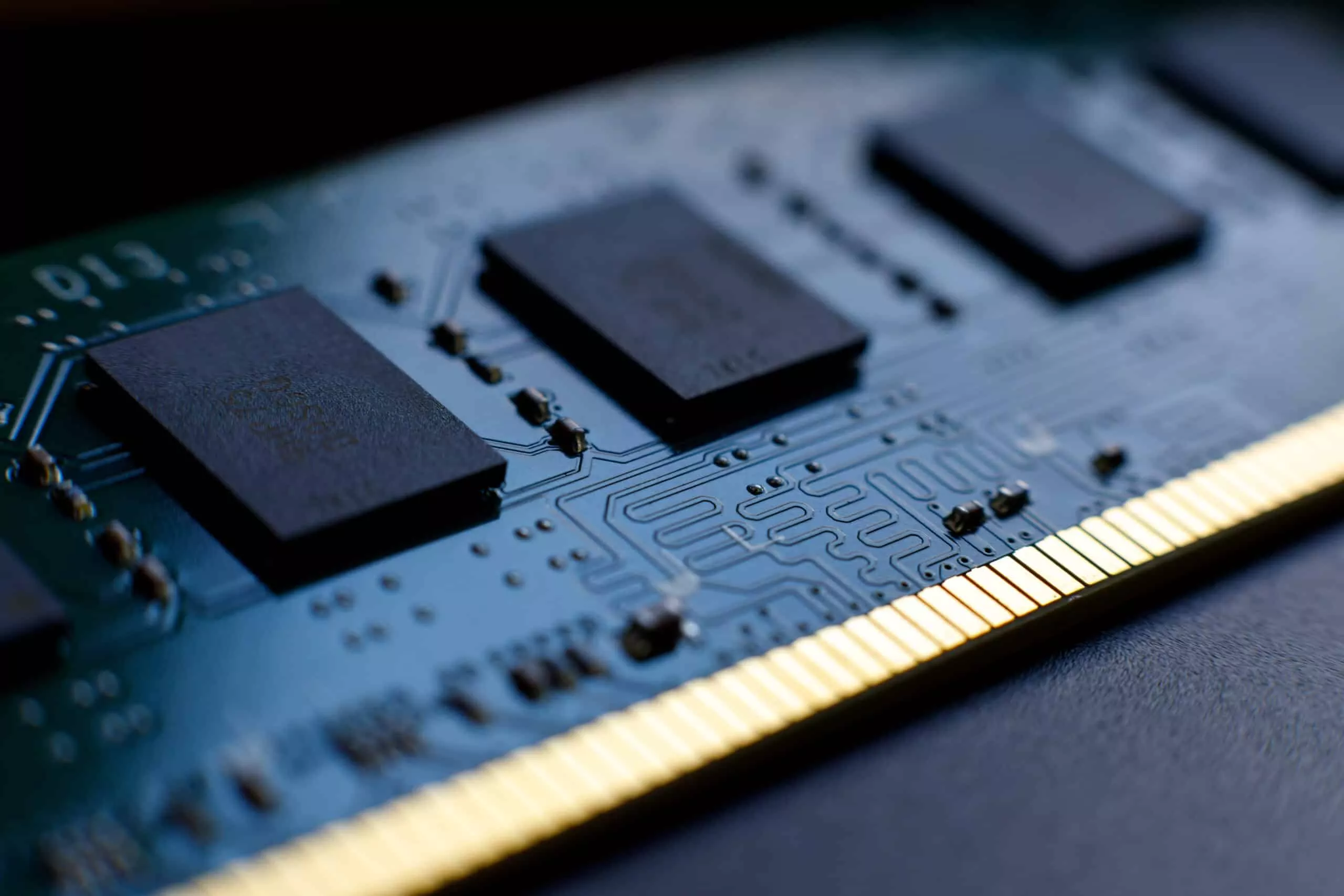
Tae-won noted that SK Hynix's inability to fully meet demand is beginning to affect its profit margins. The company has already invested in a major expansion of its manufacturing plants, and new plans are reportedly in the works to help stabilize market prices. However, SK Group's chairman did not provide any concrete details about these measures.
A few months ago, the Korean company stated that it had already sold its entire manufacturing capacity for memory products for 2026. Ongoing geopolitical tensions – including the US and Israel's military actions against Iran – are likely to exacerbate market uncertainties and supply chain disruptions, as demonstrated by the recent drone strike on a helium supply facility in Qatar.