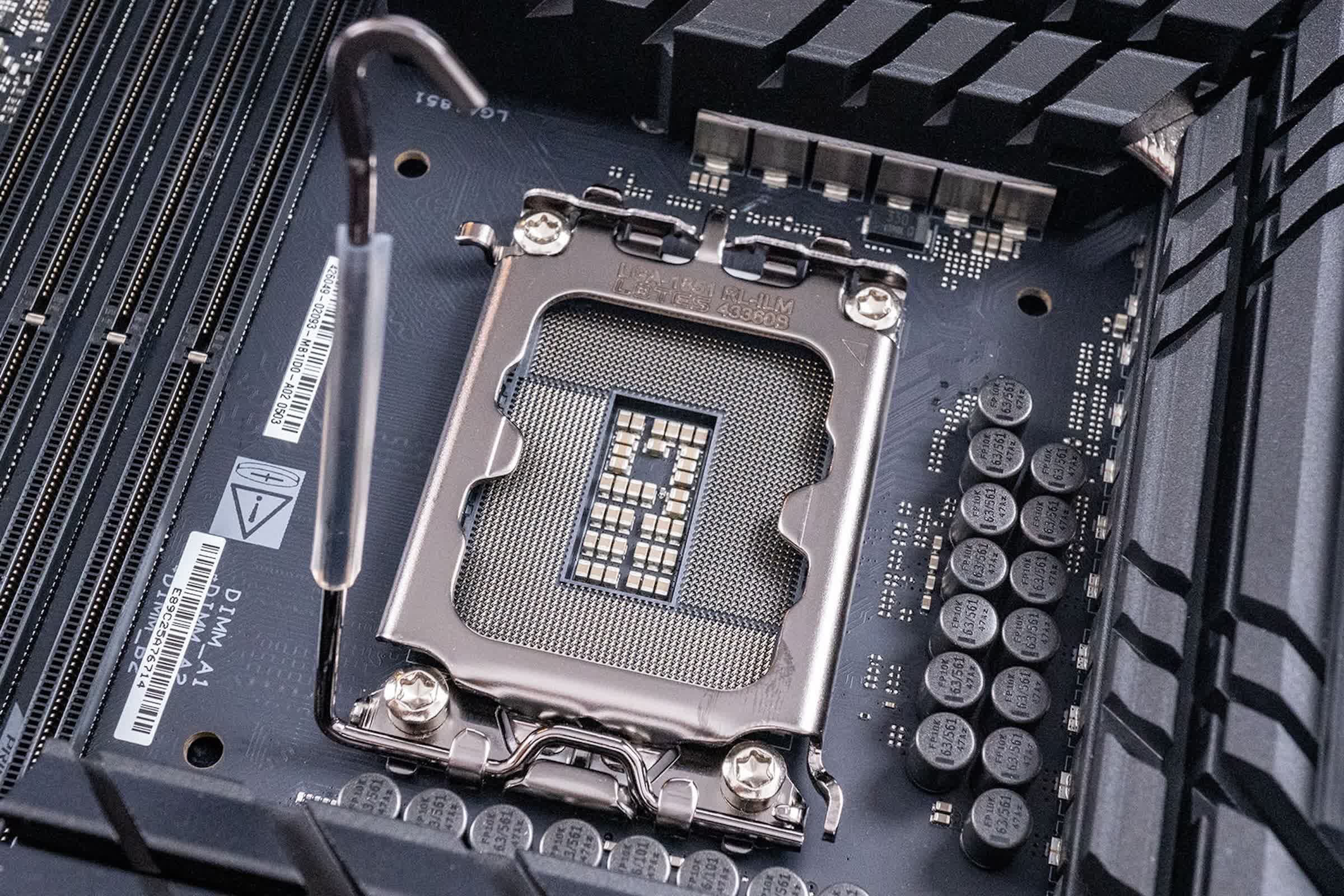
Big quote: Intel's next desktop CPU platform could mark a turning point in how the company handles socket compatibility – a sore spot for many PC enthusiasts who have grown used to frequent motherboard replacements. Robert Hallock, Intel's vice president and general manager of its enthusiast channel, has suggested a shift in thinking about how long the company's sockets will support new chips.
In an interview with Club386, Hallock gave a short but telling answer when asked whether he envisioned Intel sockets supporting more CPU generations. "I do," he said. "That's it – I do." Although he offered no technical details, the simplicity of that response hints at a deliberate and possibly overdue change in Intel's platform strategy.
For years, Intel has maintained an aggressive refresh cycle, often requiring new motherboards every one or two processor generations. In contrast, AMD has drawn praise for keeping its AM4 socket viable across a long list of CPUs – from the early Zen architecture through Zen 3 and Zen 3 X3D models – allowing users to upgrade performance without replacing an entire system. Its current AM5 platform is expected to follow that same multi-year path.
Intel's shorter socket lifespan has been a recurring complaint in the PC-building community, a sentiment that hasn't gone unnoticed inside the company. Hallock said Intel's current teams working on these products are themselves PC builders and enthusiasts. "Every single one of us has built their own PC, games on that PC. That was not always the case at Intel," he said.
He described a reorganized structure that includes new product management, marketing, and engineering teams for gaming CPUs – teams that, he insisted, are paying close attention to user feedback.
The company's internal listening effort doesn't necessarily translate into instant change, Hallock explained. "We watch it very closely… some of that feedback we can act on in a six-month time span, a year-long time span, a three-year time span," he said. But the broader implication is that Intel's future platforms are being designed with greater longevity in mind.
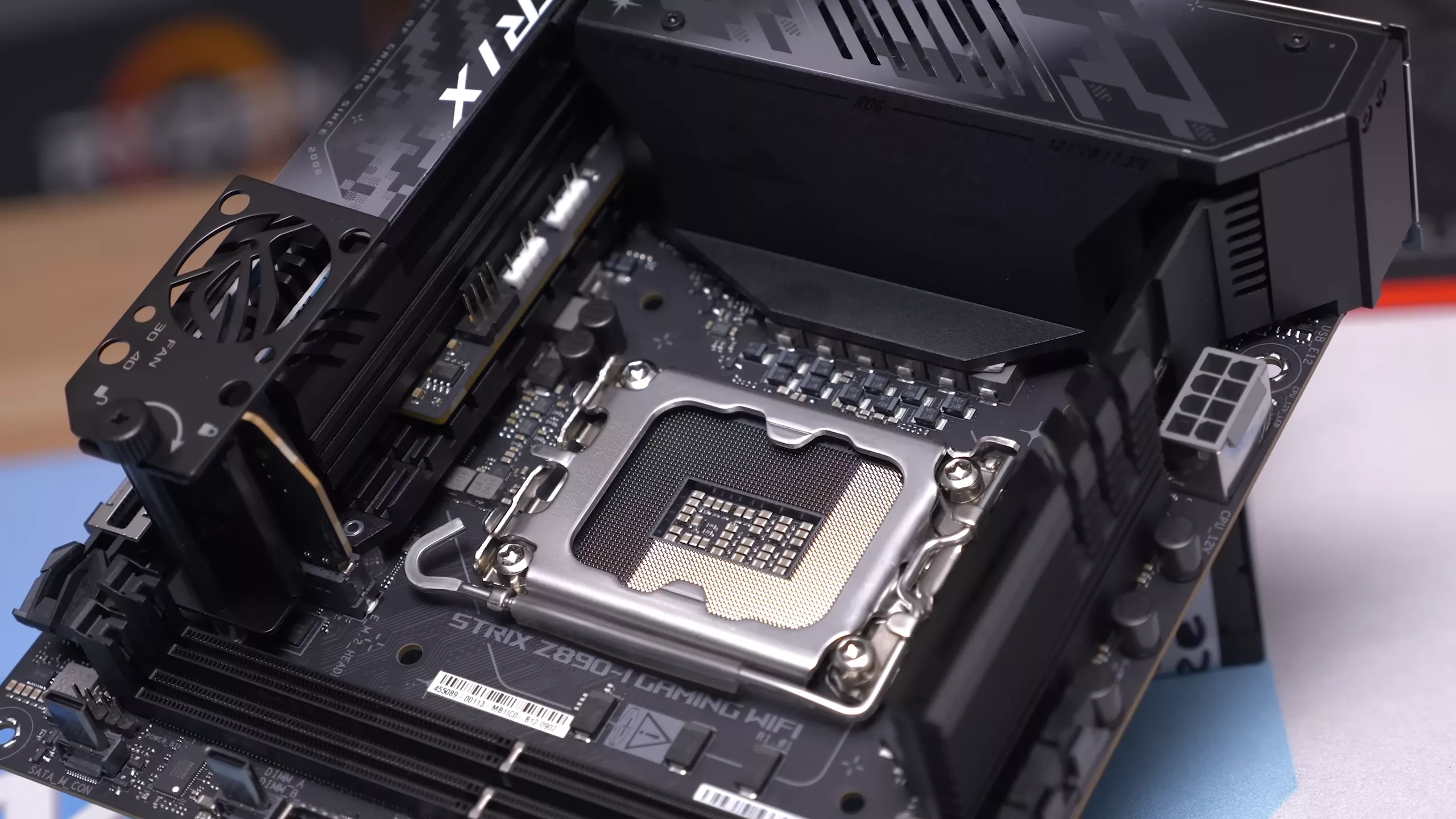
That possibility has fueled speculation about the upcoming LGA1954 socket, rumored to support multiple future architectures – potentially spanning Nova Lake through Hammer Lake. Such continuity would represent a significant departure from Intel's traditional model, where each socket generation serves a narrow slice of CPU releases before being retired.
If LGA1954 does persist across several processor cycles, it could help restore goodwill among DIY builders and system integrators who have been asking for more stability in Intel's desktop roadmap.
The clearest example of how Intel's past approach limited consumers can be seen in the company's current LGA1851 socket. It is expected to support the new Arrow Lake Core Ultra 200S and 200S Plus series, but rumors suggest that Nova Lake will move to LGA1954 – extending a familiar single-generation pattern. Hallock's comments have been interpreted by enthusiasts as a sign that Intel is more attuned to the long-term value users place on platform durability.
For now, Intel is keeping the technical details of the LGA1954 and its next-generation chips under wraps. Hallock hinted at upcoming information on the Core Ultra 200S Plus series but gave no timetable. If Intel follows through on the idea of multi-generation socket support, it would represent one of the most consumer-friendly shifts the company has made in years – a move that could bring it closer to parity with AMD's user-focused platform strategy while extending the life of enthusiast-grade hardware.