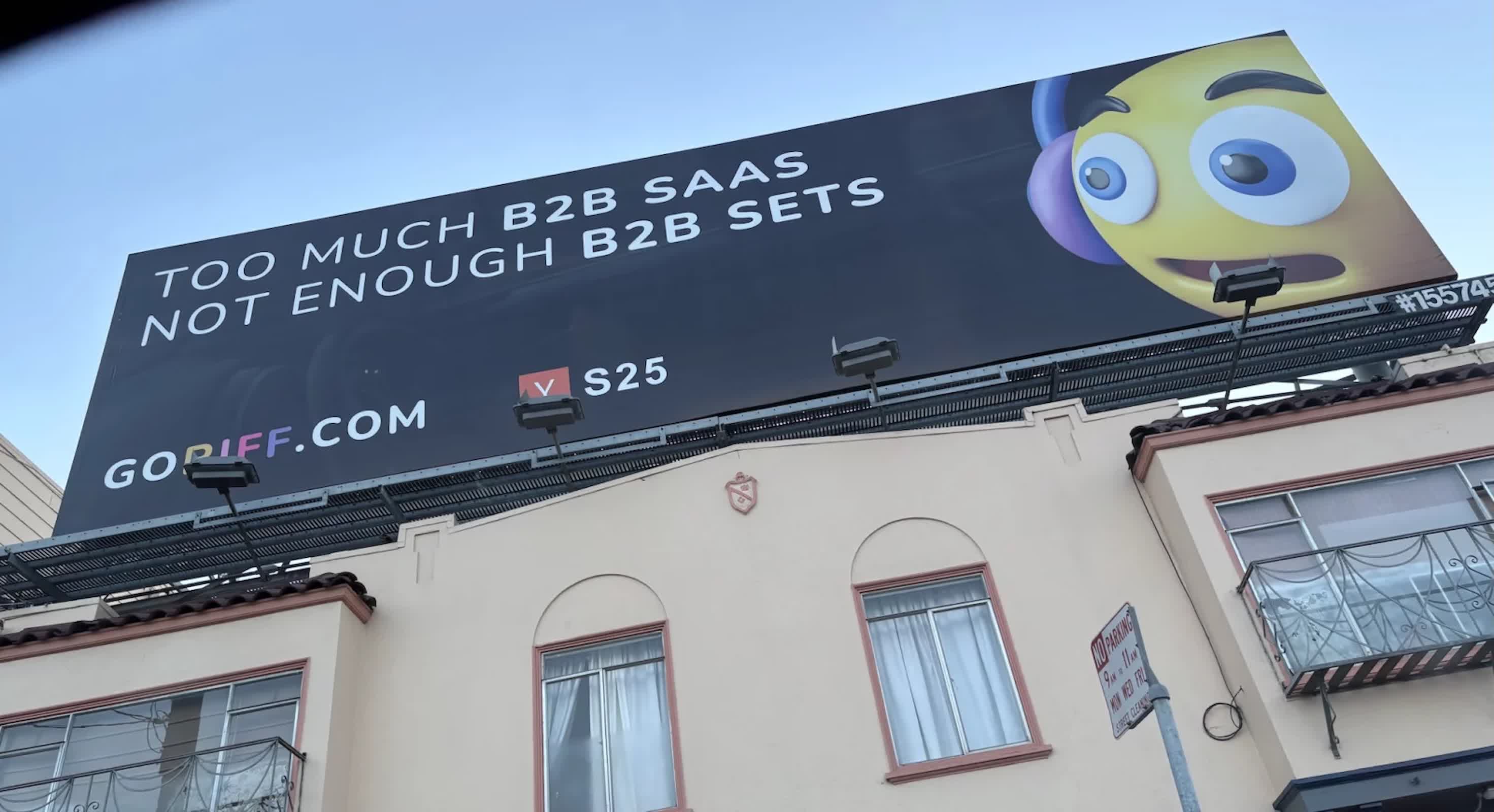
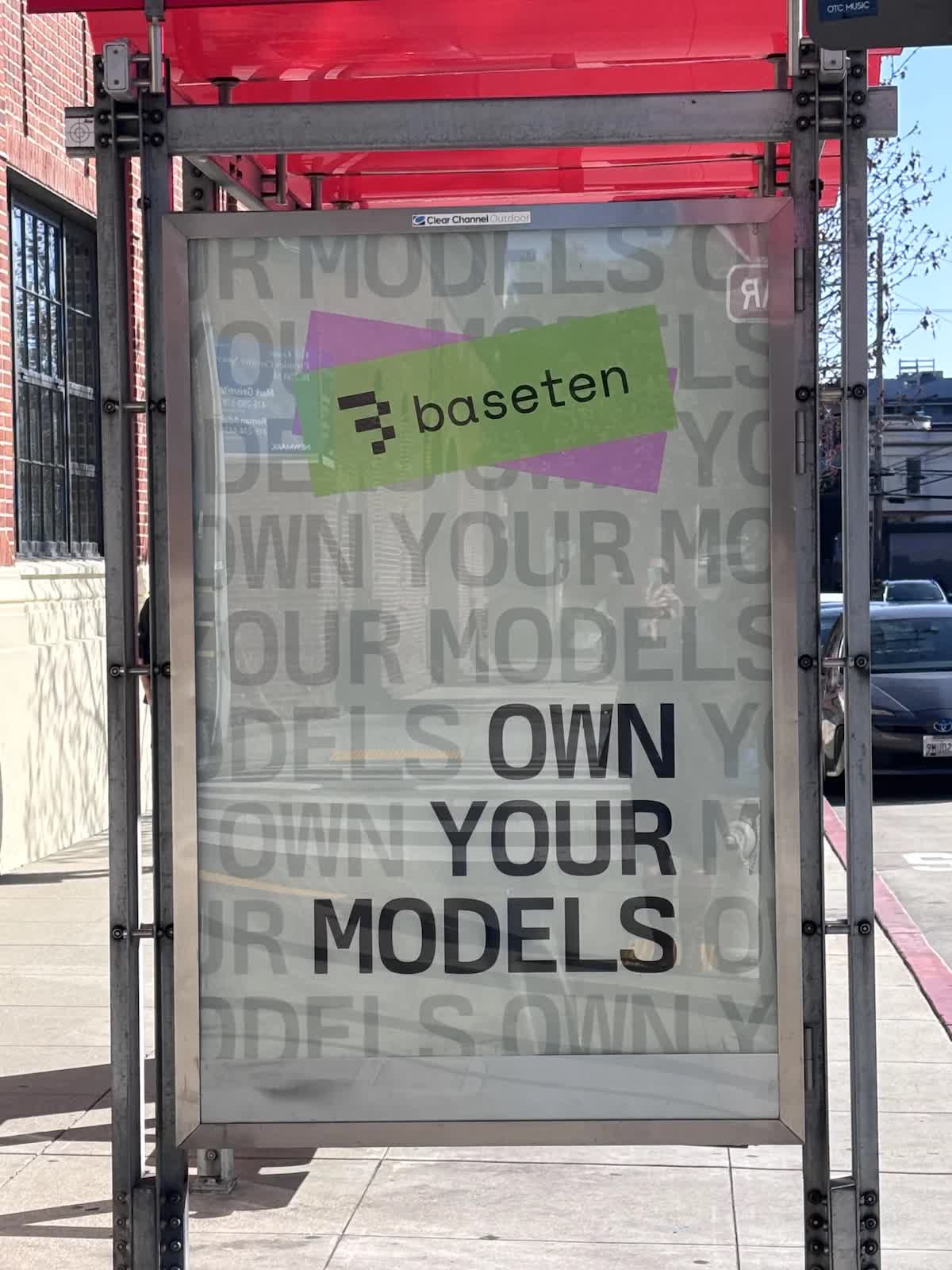
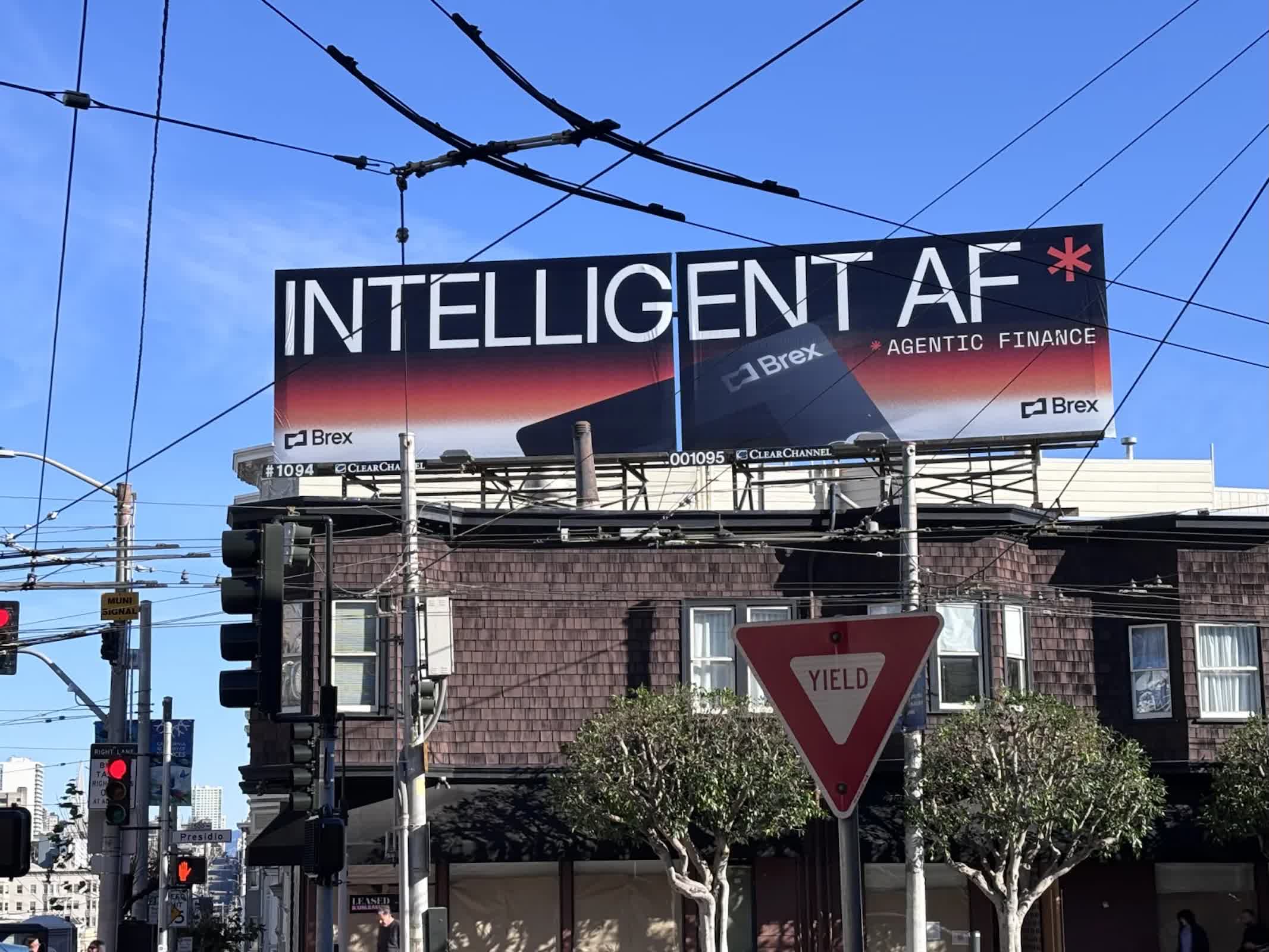
WTF?! Across San Francisco, a new crop of tech billboards seems designed to confuse almost everyone who isn't fluent in AI jargon. Slogans such as "Own Your Models," "Intelligent AF," and "Agents Don't Work Without Evals" now fill expensive city real estate once reserved for mainstream brands like Coca-Cola or Toyota. These messages aren't just unusual; they're coded statements from AI startups speaking directly to other engineers and industry insiders.
The ads mark a broader change in how young tech companies present themselves. Instead of courting consumers, they're advertising to peers who already speak the language of machine learning. "The goal is intentional in a kind of 'if-you-know-you-know' type of way," Mike Bilodeau, head of marketing at the AI infrastructure startup Baseten, told NPR. "For a lot of folks, the ads don't really mean anything. But we're selling to engineers. They're like, 'Oh, we know exactly what this is.'"
These campaigns borrow a familiar playbook from other niche brands that deliberately lean into exclusion to make belonging feel more valuable. In tech, that can mean doubling down on acronyms, in-jokes, and opaque slogans so that recognizing the reference becomes a quiet signal of professional status, even if it leaves most drivers guessing at what is actually being sold.
"Traditional campaigns often try to clearly explain a product to a defined audience," said Outfront Media's west region senior marketing director, Christine Rose. "These cryptic tech ads assume the audience already understands the context, and rely on shared language, inside jokes, or cultural cues, rather than specific messaging."
According to data provided by the outdoor advertising company Outfront Media, billboard rental revenue in San Francisco grew by around 30% between 2023 and 2025. Advertisers said they are waiting many months for spots in the most desirable locations to open up.
Other cities like Los Angeles also have billboards aimed at specific audiences, such as the annual "For Your Consideration" campaigns in Los Angeles leading up to the Academy Awards.
In San Francisco, these roadside signs might seem an odd choice for high-tech advertisers. But PR and marketing consultant Michelle Garrett said billboards signal legitimacy to these companies and the people who buy their services. "This makes them look like they're big and successful, helps build momentum for them," Garrett said.
Garrett added that the insider-baseball language can also create buzz beyond the target audience. "There's kind of a mystique almost about it," she said. "And that almost adds to the viral piece of it, because people want to share it and talk about it."
But this insider approach carries risks. Marketing professor Karen Anne Wallach of the University of Alabama in Huntsville, who has studied how the use of exclusive language in marketing campaigns influences business outcomes, said the tech companies' approach divides people into two camps: an "in group" and an "out group." "The tech companies are speaking to the people that know all these acronyms and probably that makes that 'in group' of people feel even more tied to who was giving the message," Wallach said.
Wallach added that the feelings of the far bigger "out group" matter, too. "Long term, you tend to remember that kind of negative branding," Wallach said. "And negative language then becomes part of what you associate with the brand."
Despite that, the tech startups interviewed for this story said they understand the risks of alienating large numbers of people with their cryptic ads. But the upside is too great. For emerging companies eager to project confidence and credibility, being recognized by fellow technologists can matter more than broad comprehension.
Meanwhile, the negative associations also impact how people feel about San Francisco more broadly. "The billboards here are actually something that makes me feel really pessimistic about the city," said Allie, a San Francisco resident who called into KQED's Forum talk show last summer. "They kind of give this feeling that like the rumors are true and tech has overrun the city, and that's the whole culture here now."
Louise Mozingo, who runs the urban design program at the University of California, Berkeley, has studied the tech sector in the context of corporate landscaping extensively over the years. "I look at these billboards and have absolutely no idea what they're advertising," she said. "They're quite clearly not advertising to the average consumer."
Image credit: NPR