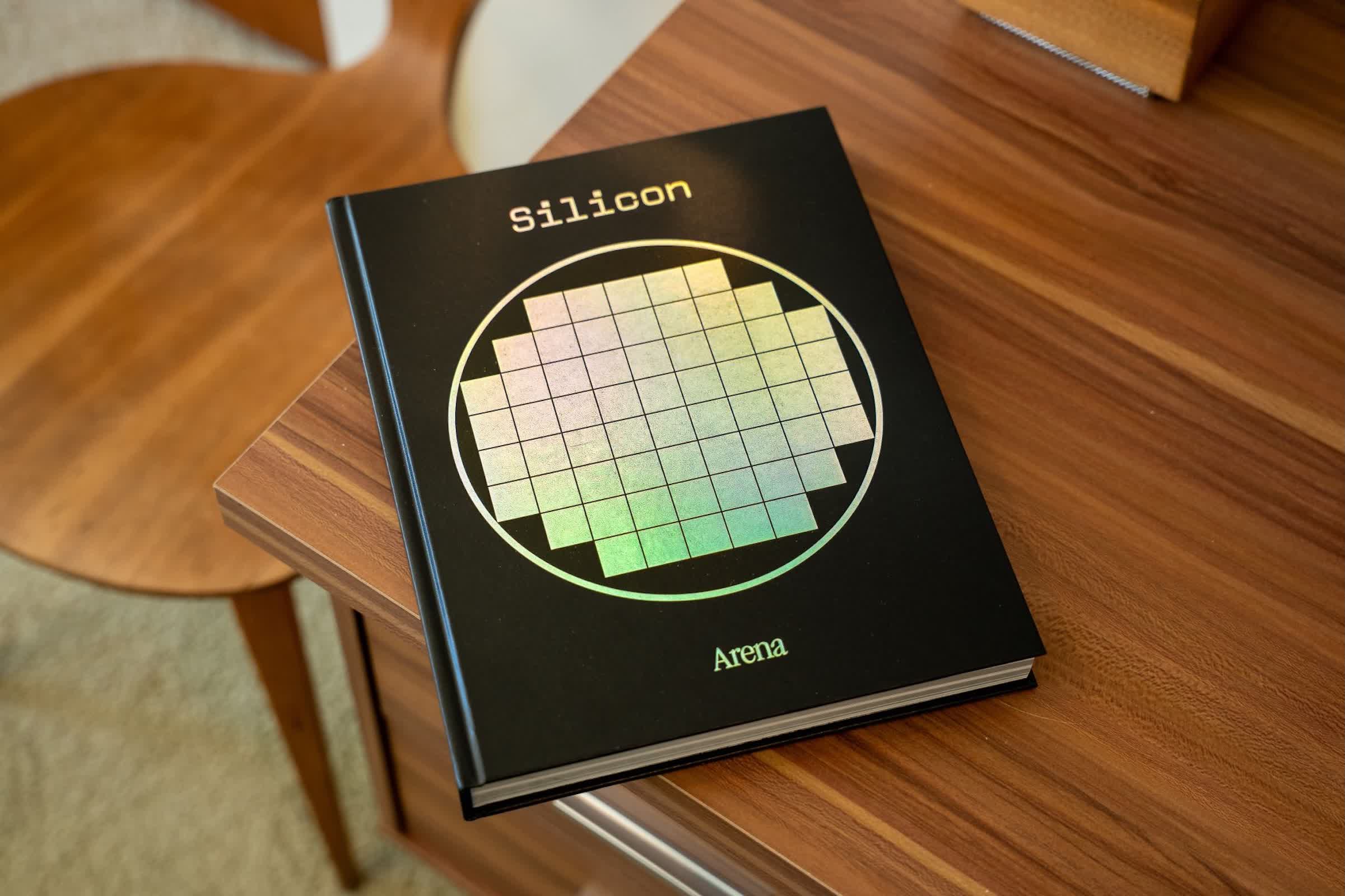
TL;DR: Arena Books has released Silicon, a new coffee table volume that presents the semiconductor era as both an engineering story and a historical turning point. The book is now available for pre-order and is positioned as a visual and narrative journey through the world of transistors, chips, and the technological shift they enabled.
Silicon is organized as a 10-chapter anthology, with each essay tackling a different facet of how a single element became the infrastructure of modern life. The opening chapter, "Teaching Sand to Think," by Dylan Patel and Jeff Koch, follows the process of turning inert silicon into machine intelligence, tracing how device physics, manufacturing, and architecture combine to produce systems that behave in ways we describe as "thinking."
That focus on the pipeline from material to behavior sets up the book's broader interest in semiconductors – not just as components, but as a medium for computation and power.
Several chapters step back to examine the field's origins. "Waiting for Berzelius," by Julia Steinberg, revisits the 19th-century chemistry behind silicon's isolation and links it to the much later search for machine consciousness.
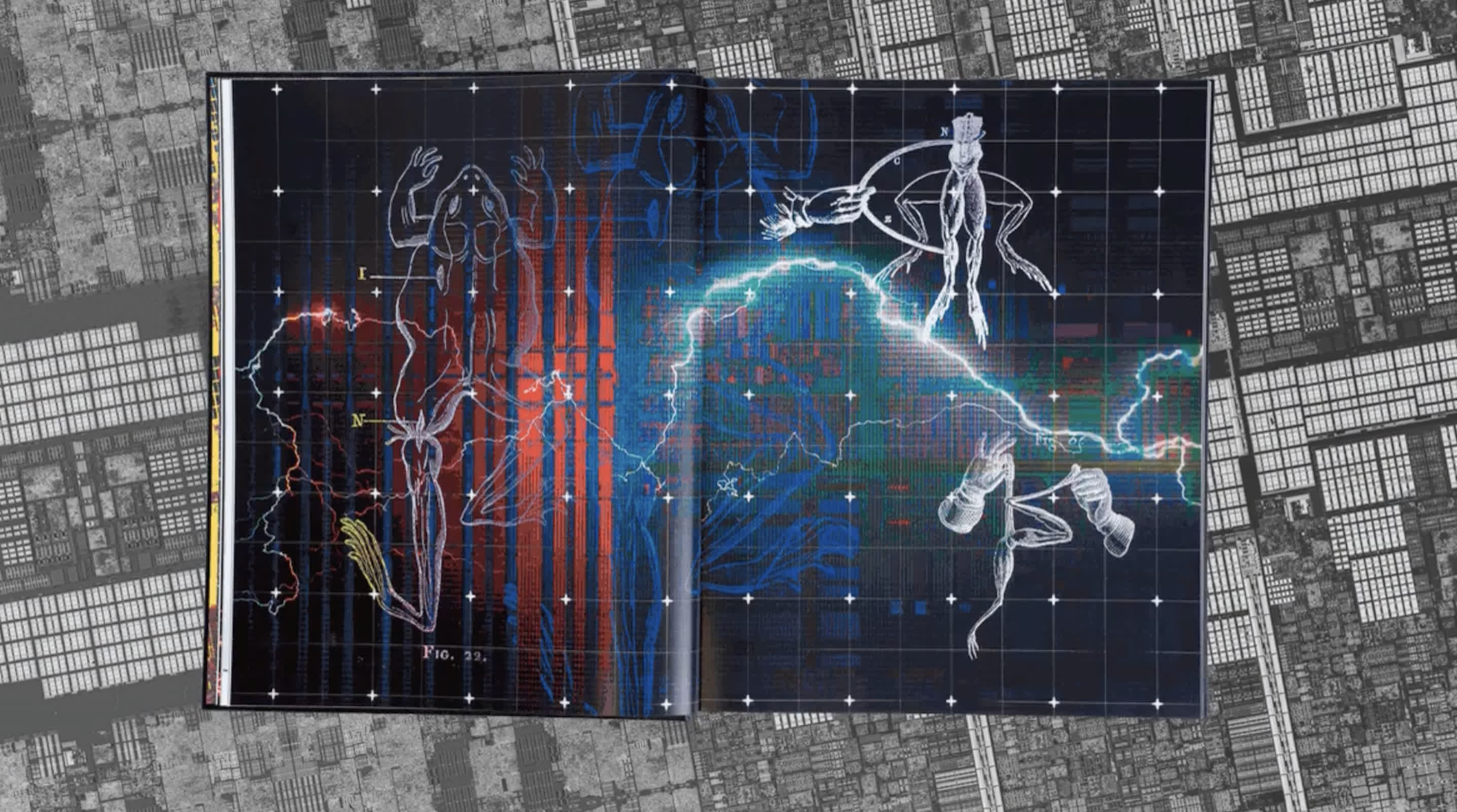
"The Czochralski Crucible," by Brian Balkus, profiles the Polish scientist whose crystal-growth method made silicon pure enough for computing, but who died in relative obscurity. His story is a reminder that foundational process innovations often operate behind the scenes of today's chip supply chain. Together, these essays frame the current industry as the product of long, cumulative advances rather than a sudden digital breakthrough.
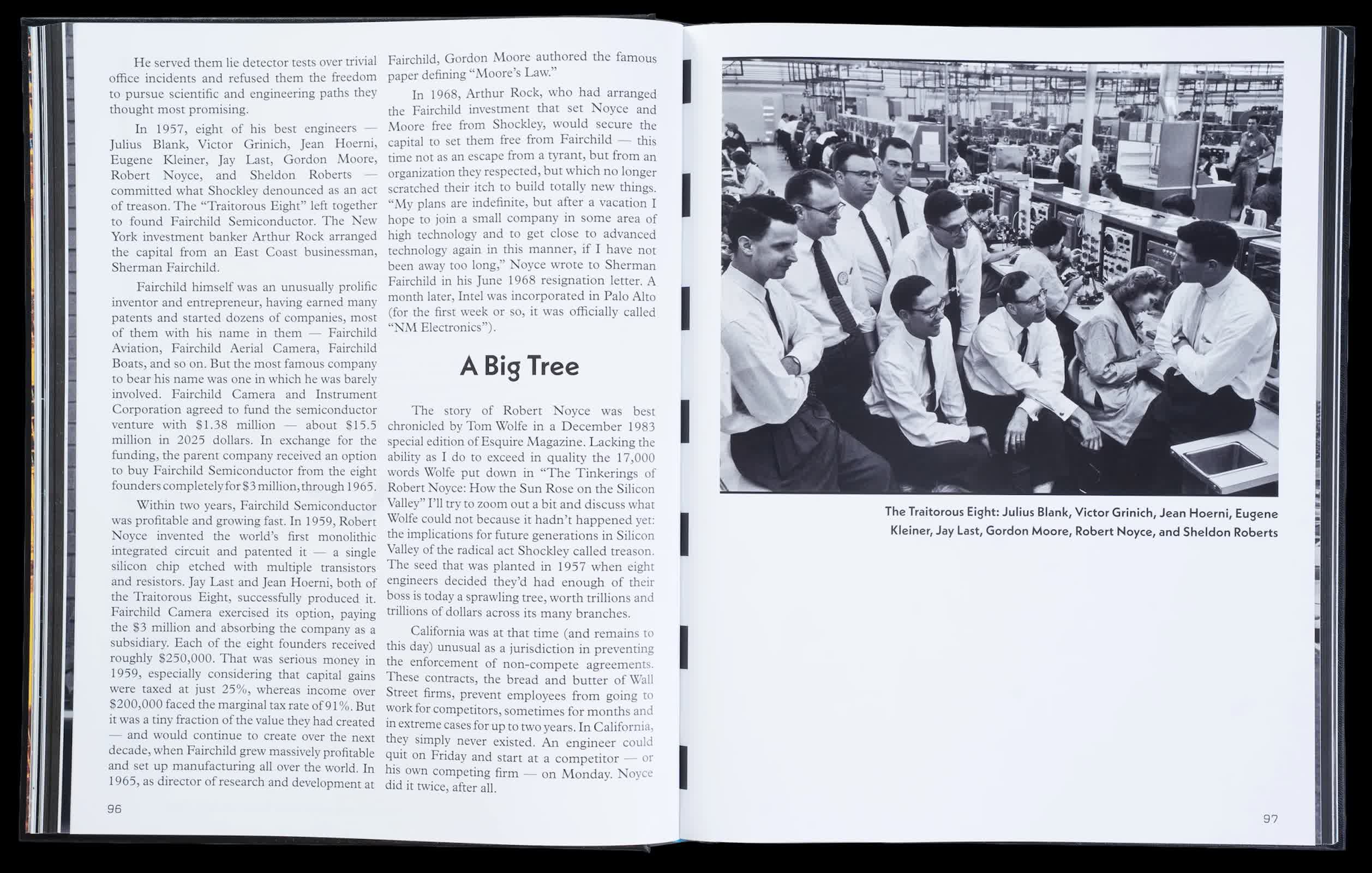
The middle of the book delves into familiar semiconductor lore, but with a focus on institutions and compounding effects. "And Then There Were Eight," by Maxwell Meyer, recounts how the Traitorous Eight helped establish the template for Silicon Valley's company-formation culture.
"Moore's Laws," by Rob L'Heureux, treats Moore's prediction less as a slogan and more as a decades-long operational challenge, addressed through design, lithography, and capital. "ASML's Throne," by Stephen McBride, follows a once-struggling Dutch venture as it assumes the role of building what the book calls "the most important and complex machine in the world" – a reference to leading-edge lithography systems that now shape geopolitical debates.
Later chapters shift toward the present AI moment and its consequences. "The Nvidia Factor," by Zaitoon Zafar, charts Jensen Huang's effort to transform a gaming-focused chip company into the engine of the current AI wave, highlighting how GPU architecture and software ecosystems can realign an entire market.
"After Complexity," by Anna-Sofia Lesiv, argues that in building machines that "think," engineers have created systems so complex that their full behavior escapes human understanding – an implicit commentary on emergent behavior in large-scale models and hardware-accelerated stacks.
The closing essays explore longer-range questions. In "Freedom in the Silicon Age," Miquel Vila considers what it means for relatively young silicon technologies to shape human freedom over historical time scales, implicitly raising issues around surveillance, autonomy, and state capacity.
"The Silicon Man," by Ginevra Davis, asks whether humans are effectively biological bootloaders for silicon-based successors, echoing long-running debates about automation, agency, and the definition of progress.
Taken together, Silicon reads less like a technical manual and more like an effort to fix the semiconductor story in cultural memory, at a time when the industry's economic and political influence has never been more apparent.