
Connecting the dots: The next stage of Rich Communication Services development could finally bring cross-platform video calls into mainstream messaging. The GSM Association last week confirmed the release of RCS Universal Profile 4.0, a standard that adds support for "Messaging-Initiated Video Calls," or MIVC, a feature designed to bridge the gap between one-on-one and group chats and live video sessions.
While the upgrade is technical in nature, its implications are broad. If widely adopted, it could allow an Android user and an iPhone owner to move a conversation from text to video within their native messaging apps – no third-party links or app downloads required. GSMA describes this as a move toward "the first natively supported video call experience that's interoperable across a wide range of devices and networks."
The group says MIVC is designed to keep conversations seamless by letting participants enter a video call already in progress if they missed the initial start, while also keeping the video call history aligned with the chat thread.
That kind of continuity – bringing voice, video, and messaging together in one thread – has long been seen as a missing piece in the RCS push to modernize SMS, especially given how fragmented messaging experiences remain across mobile ecosystems.
Whether users ever see this feature, though, depends on Apple and Google. Neither company has committed to supporting MIVC, and both declined to comment to The Verge when asked. Their participation would be essential to the envisioned cross-platform video-calling experience, as RCS adoption and implementation depend heavily on device- and carrier-side support.
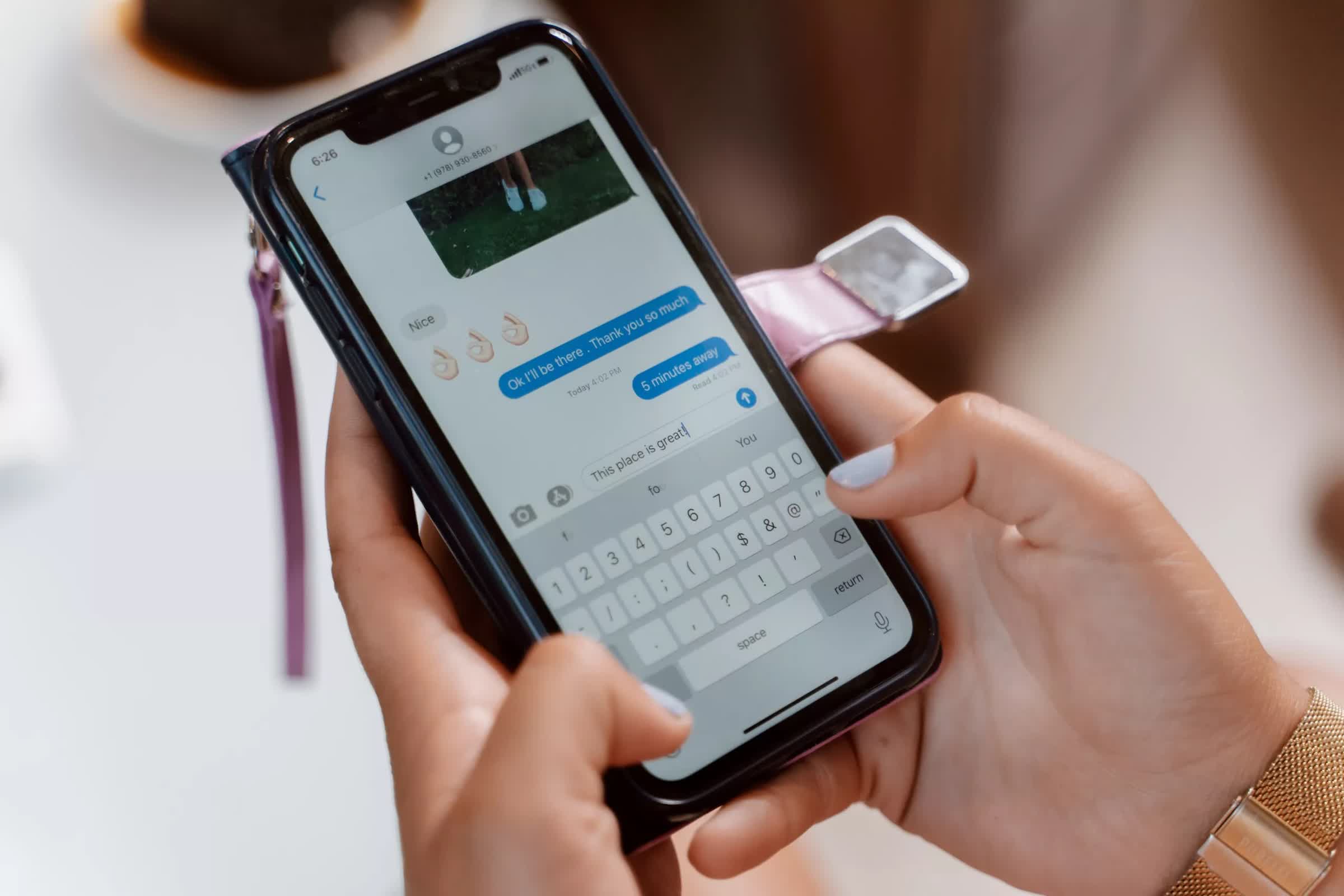
Universal Profile 4.0 introduces additional refinements, focusing on the user experience and media capabilities that RCS has been trying to standardize for years. The update brings formatting tools such as bold, italics, and strikethrough to text chat. It also enables the sharing of higher-quality audio, video, and image files – a space where apps like WhatsApp and iMessage have long outperformed RCS.
The GSMA's announcement marks the latest attempt to unify messaging technologies that have developed unevenly across manufacturers and carriers. RCS itself has been part of the mobile standard ecosystem for years, but has struggled to achieve widespread adoption, in large part because of inconsistent implementation and Apple's historical reluctance to support the protocol.
With renewed industry attention and growing regulatory pressure in some markets for more interoperable messaging experiences, features such as MIVC hint at what a fully integrated future could look like. For now, the technology is ready, even if the collaboration needed to make it work across ecosystems is not.