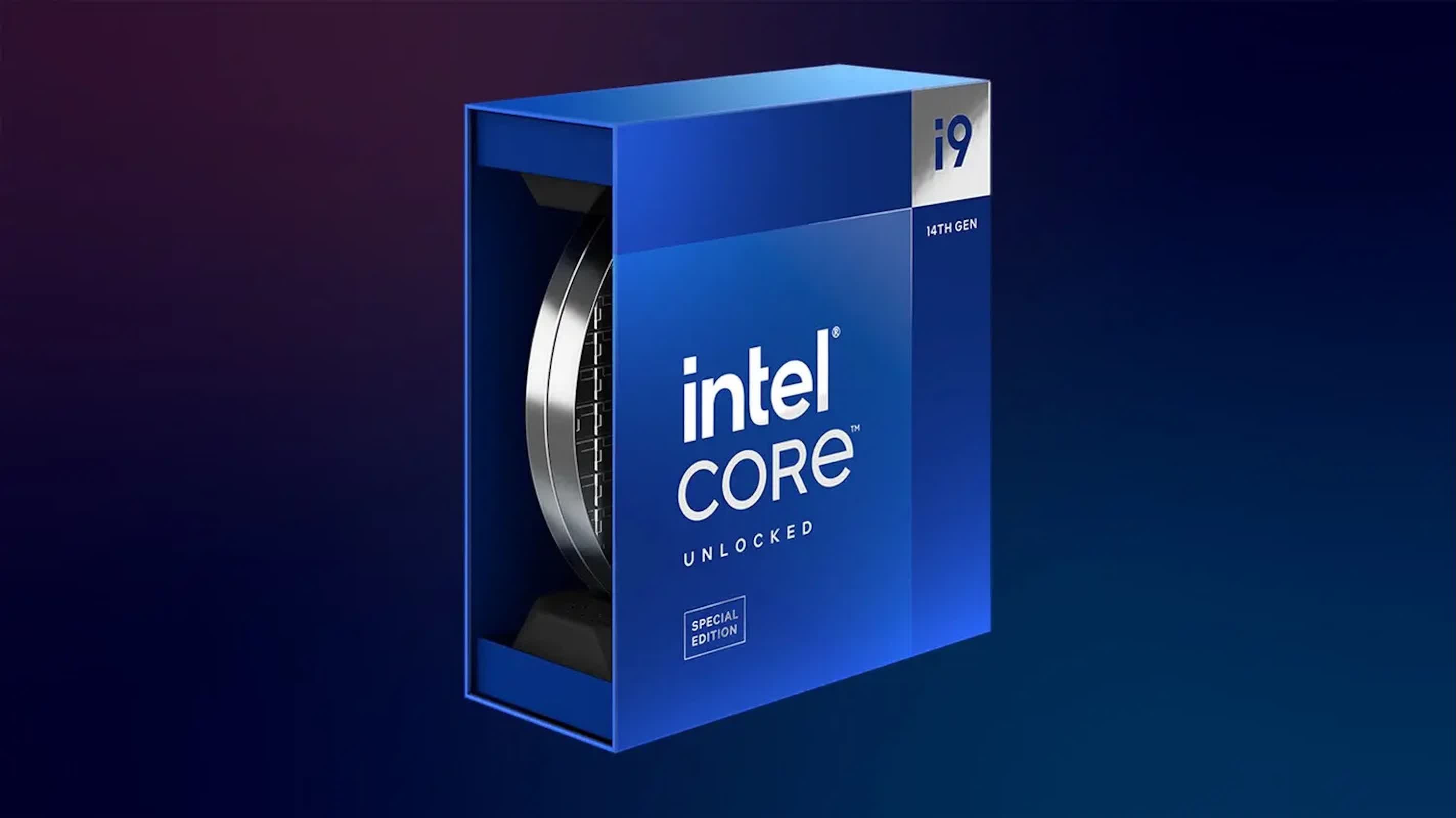
Big quote: Intel plans to keep its 14th-gen Core "Raptor Lake Refresh" processors and the LGA1700 platform in full production as it transitions to newer chips. The company's decision extends the life of its Intel 7 manufacturing process and maintains support for the millions of existing systems built around that platform.
Robert Hallock, Intel's vice president and general manager of client segment technical marketing, confirmed in an interview with Club386 that the Raptor Lake lineup remains "a big part" of Intel's client segment strategy and will stay in production alongside newer chips.
"Raptor Lake is a big part of our strategy – I want to be very clear about that," Hallock said. "It's still really, really good, even with multiple generations of hardware from other vendors coming after it, so it's not going anywhere. I want people to understand that Raptor Lake will continue to be abundantly available."
The decision plays to Intel's strengths in manufacturing and positioning. While the company ramps up its tile-based Arrow Lake-S processors – built largely on TSMC's advanced process nodes – keeping Raptor Lake active ensures the Intel 7 node remains economically viable. The 14th-gen Core chips, designed as monolithic dies, continue to serve a large market segment that values stability and affordability over cutting-edge architectural changes.
Equally important, the Raptor Lake generation supports both DDR4 and DDR5 memory standards, giving it the versatility that newer platforms currently cannot offer at a comparable cost.
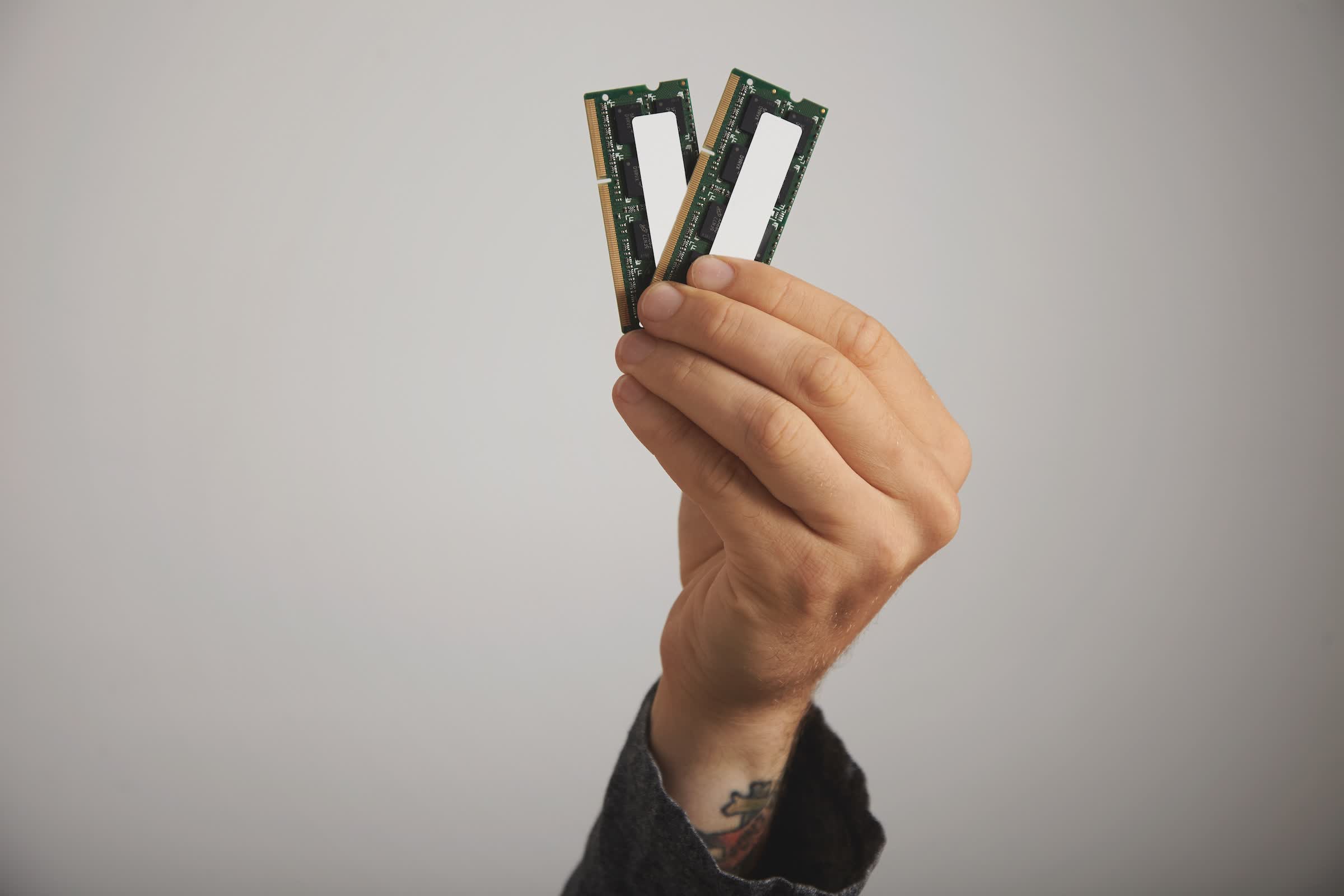
Intel originally pitched dual memory compatibility as a transitional measure, but fluctuating DDR5 prices and limited supply have made it a key competitive asset. For many consumers, especially gamers assembling or upgrading systems on a budget, DDR4-equipped builds remain attractive. Even when paired with the older memory standard, Raptor Lake delivers gaming performance that exceeds any chip still running on AMD's Socket AM4 platform.
Hallock highlighted how this dual-memory capability continues to influence motherboard innovation. He pointed to recent motherboard updates that can run either DDR4 or DDR5 memory, describing them as a practical option for users transitioning between generations. He said these products reflect Intel's confidence in the platform's continued relevance. Manufacturers such as Asrock have already introduced boards with this flexibility, and more are expected to reach the market through 2026.
While Intel maintains its foothold with Raptor Lake, AMD shows no sign of abandoning its own aging platform. The company continues to issue refreshed Socket AM4 processors, including models outfitted with 3D V-Cache, to squeeze out better gaming performance. The newly released Ryzen 5 5500X3D, featuring six cores and twelve threads, extends the lifespan of DDR4-based gaming systems and keeps competition alive at the entry-level to mainstream.