Editor's take: As Microsoft builds Copilot AI deeper into Windows, the move is rekindling debate over how much control any one company should exercise over the computing environment that so many people rely on. For Mozilla, that question has become a renewed challenge to Microsoft's dominance over the desktop and its implications for competition.
In a recent statement, Mozilla argued that Microsoft's design choices – particularly those that link the Windows experience tightly to Edge and Copilot – undermine genuine user control. When Microsoft embeds features that favor its own browser and AI tools, it removes opportunities for competing software to be used at all, Mozilla said.
At issue is not just how people interact with Microsoft's latest AI layer, but also how deeply the company's software ecosystem shapes user behavior. Changing a default browser in Windows, for instance, remains surprisingly complex. Mozilla points out that even after adjusting multiple settings, key elements of the operating system still open links in Edge, effectively bypassing the user's chosen browser.
Examples like Windows Search and Microsoft's productivity apps make that imbalance clear. Taskbar searches can still open in Edge by default, and links clicked in Outlook or Teams can also open in Edge, even when another browser is set as the default. Mozilla contends that these consistent redirects don't just inconvenience users; they distort competition in favor of Microsoft's own stack.
Because Windows continues to dominate the PC market, those design decisions have real commercial impact. The more Windows channels users into Edge, the less Firefox is used. For Mozilla, whose revenue comes primarily from search partnerships tied to browser activity, that means fewer searches and less funding to develop new features. It's an economic feedback loop that hits open-source developers harder than platform owners with deeper pockets.
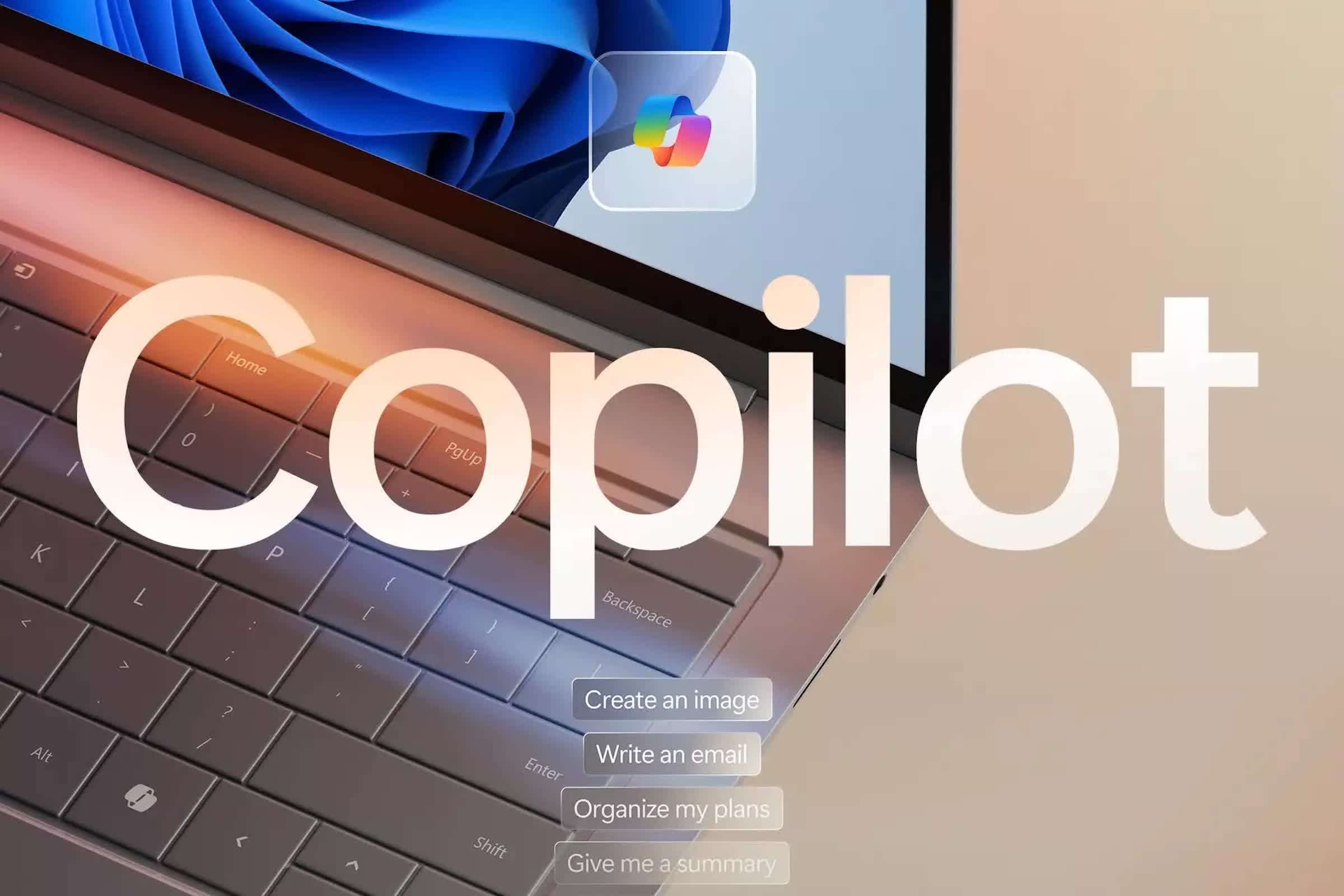
Microsoft's Copilot rollout intensified that tension. The AI assistant was not just introduced aggressively; it showed up by default on many machines, pinned to the Windows taskbar, and, on some new laptops, mapped to a dedicated Copilot key. Mozilla argues that planned Copilot hooks in tools like File Explorer and system settings extend Microsoft's ecosystem into areas where browser rivals have little or no reach.
From Mozilla's point of view, these moves reveal a pattern: Microsoft embedding its own services so deeply into the OS that alternatives are effectively out of reach. Mozilla warns that if people rely more on built-in AI tools tied to Microsoft's ecosystem, they will spend less time in independent browsers like Firefox.
Mozilla frames its approach to AI differently. Mozilla said new AI features in Firefox are opt-in and can be turned off from a central settings panel – tools meant to empower users, not predetermine their experience.