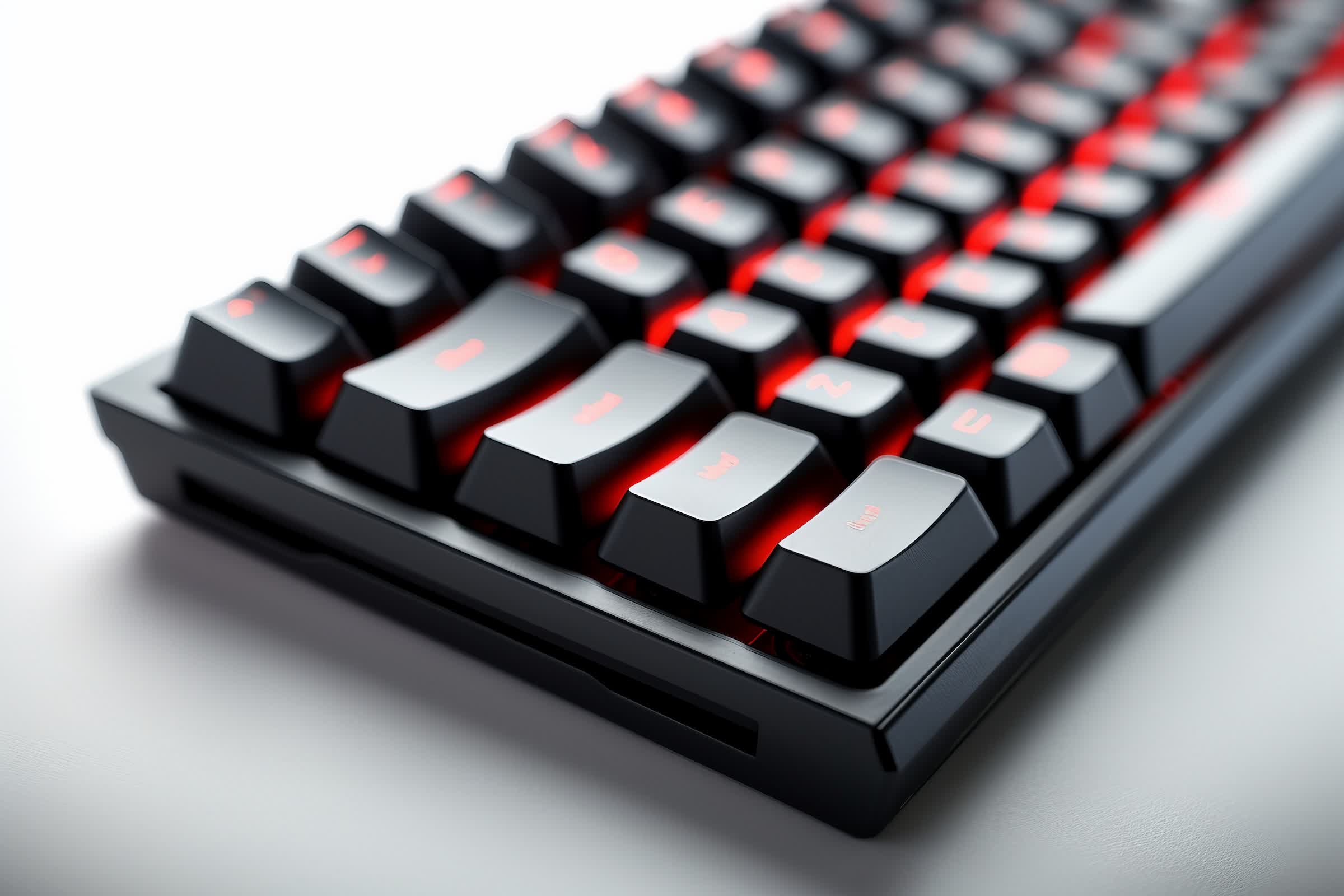
The takeaway: The team behind sheets.works, best known for its spreadsheet projects, has built something focused on a different kind of precision: sound. It has launched an interactive project called the Listening Museum, a browser-based archive that captures the acoustic signatures of mechanical keyboards across decades of design.
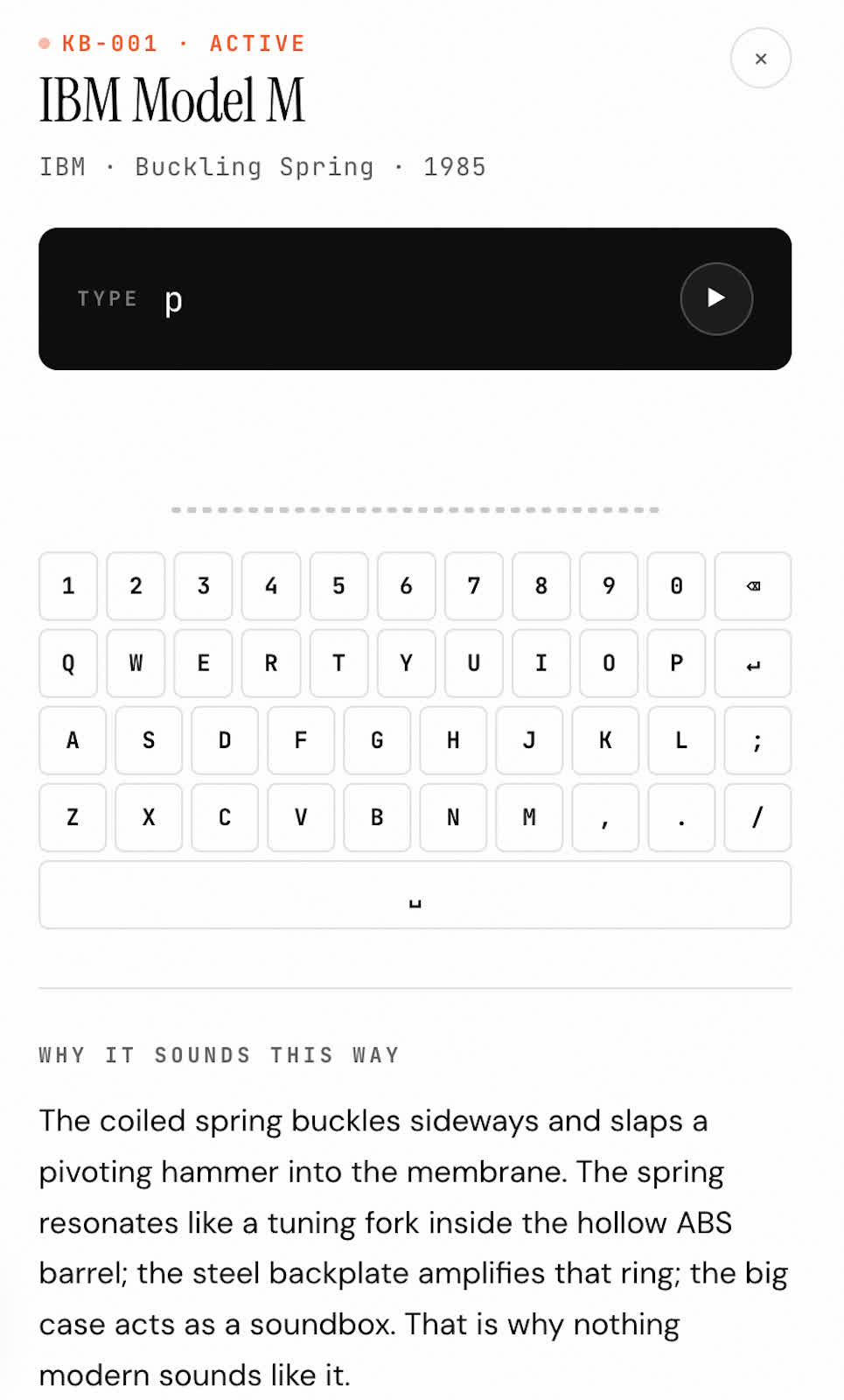
The site functions less like a conventional product gallery and more like a controlled listening environment. Users can select from 36 keyboard models – ranging from legacy hardware such as the IBM Model M keyboard to contemporary devices from manufacturers including SteelSeries and Logitech – and then type on their own keyboards to hear each key mapped to that model's sound profile. Each model lets visitors type and listen for differences in switches, housings, and overall build.
At a technical level, the project attempts to isolate one of the most subjective aspects of keyboard design: sound. Mechanical keyboards are often defined as much by their acoustic feedback as by their tactile characteristics, yet reproducing that experience digitally presents clear constraints. The Listening Museum addresses this by pairing each keyboard card with a sound map, so that when users type on their own keyboard, each keystroke triggers that board's recording, effectively turning the browser into a virtual test bench.
The inclusion of the IBM Model M highlights how the platform handles historically significant hardware. The museum describes the device as "the archetypal 'clacky' keyboard and the reason people collect vintage boards."
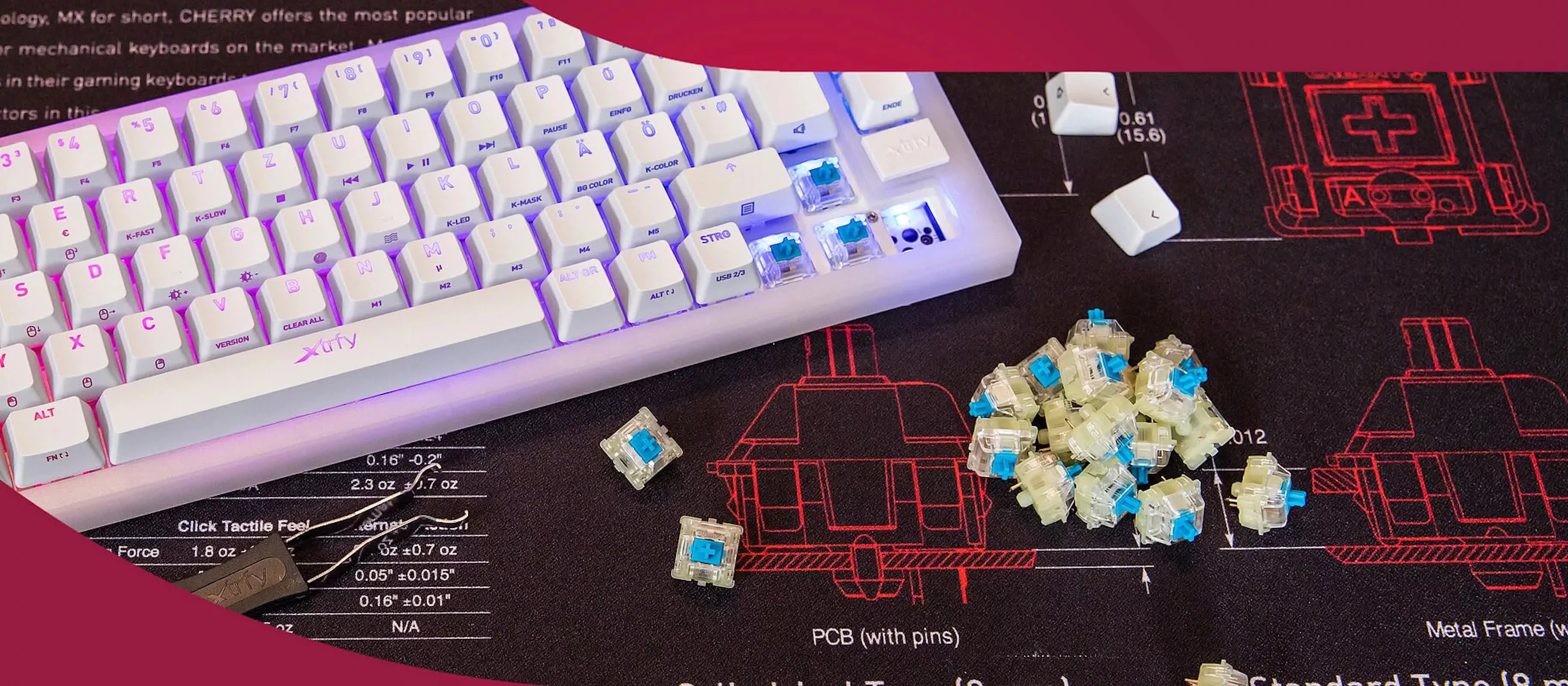
The project also attempts to cover widely used switch types such as Cherry MX Blues, though reproducing familiar sounds accurately proves more difficult. Variations in keyboard construction – from case materials to internal foam and mounting systems – can significantly alter acoustic output even when the same switch is used. That complexity becomes evident when comparing sampled audio to real-world hardware, where differences in pitch, resonance, and sharpness can be noticeable.
The curators acknowledge these limitations directly. "Sound tests are inherently limited: microphone, room, host board, keycap set, codec, and your speakers all color the result," the site notes.
The statement reflects a broader issue in audio sampling: the signal chain is never neutral. Recording equipment, environmental acoustics, and playback systems all introduce variables that can shift perception, particularly for sounds as transient and percussive as keystrokes.
Despite those constraints, the Listening Museum serves as a reference point for enthusiasts and engineers interested in the acoustic dimension of input devices. For users without access to a wide range of keyboards, it offers a way to hear how older, louder designs differ from newer, more damped models.
The project also illustrates how keyboard evaluation has evolved alongside the hardware itself. Sound, once a byproduct of mechanical necessity, has become a deliberate design parameter. In that context, even an imperfect tool like this still helps explain why some keyboards stand out while others blend into the noise.