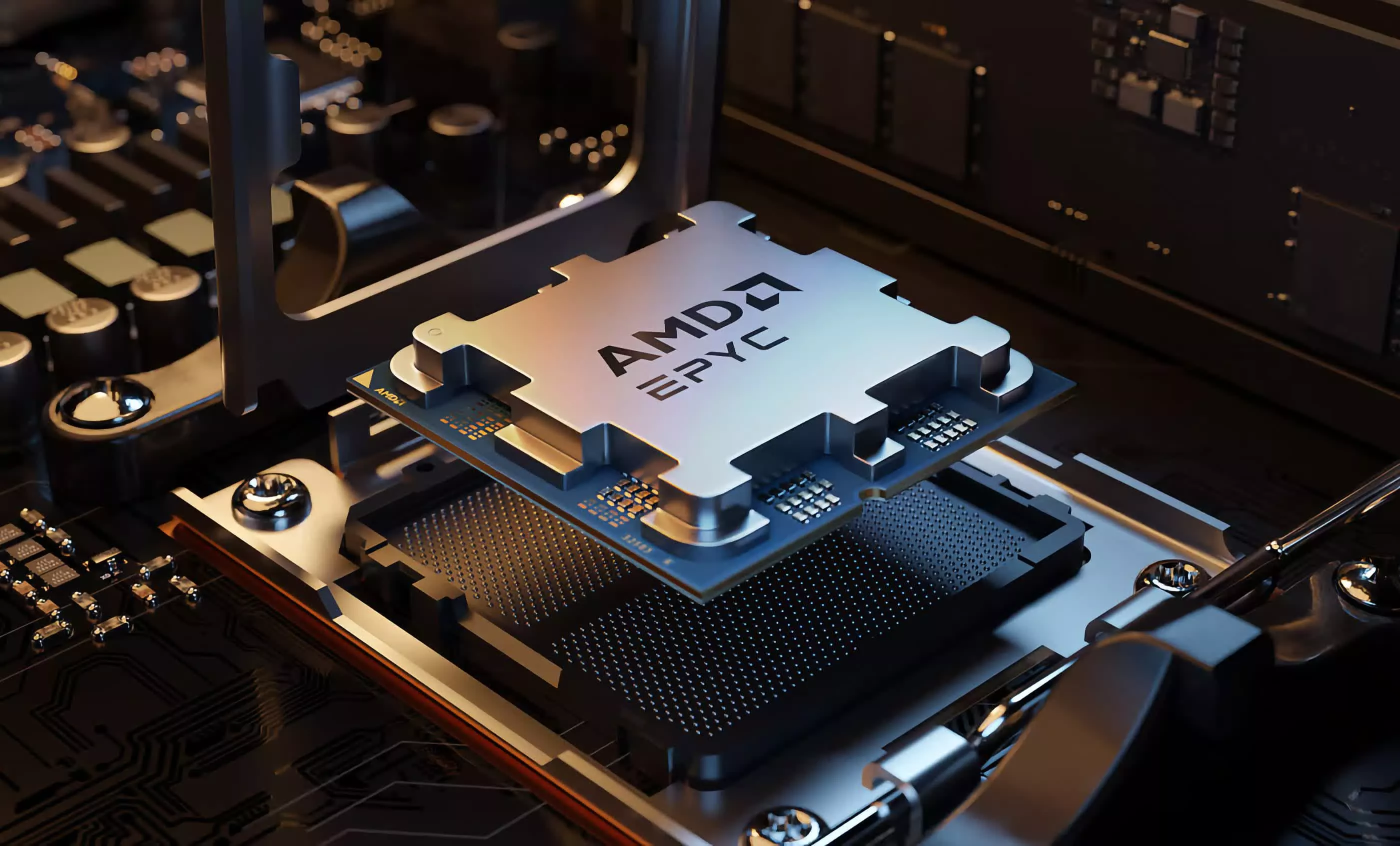
Looking ahead: AMD's Zen 6 architecture is set to debut later this year with the Epyc Venice server processors. The company's CEO recently outlined AMD's ambitions for the lineup and hinted at its broader strategy for future data center processors. Her comments also appeared to offer an early glimpse at what could become the foundation for Zen 7.
During an investor call following the release of AMD's first-quarter 2026 earnings, CEO Lisa Su confirmed that the Epyc Venice processors remain on schedule for launch later this year. The server CPUs will mark the debut of the Zen 6 architecture and AMD's first move to TSMC's 2nm process technology.
AMD initially unveiled Venice last year. The transition from 4nm to 2nm is expected to double CPU-to-GPU bandwidth, improve performance by up to 70%, and increase the maximum core count by 33%, reaching as many as 256 cores.
However, Su indicated that the Venice lineup will eventually include several specialized processors. During a Q&A session, the CEO explained that AMD aims to introduce a broad portfolio of CPUs optimized for agentic AI, head nodes, general-purpose computing, and other workloads.
Su also mentioned Verano, which will debut as part of the Venice series as the company's first CPU designed specifically for AI infrastructure. However, Verano is also expected to serve as the foundation for the first Zen 7 processors.
AMD first referenced Zen 7 in a vague roadmap released late last year. The company stated only that the architecture would arrive after 2026, use a process node beyond 2nm, and incorporate a new matrix engine with expanded AI data format support. Although Su did not directly mention Zen 7 during the call, she confirmed that AMD is already working with partners on products that will succeed Venice, likely including Zen 7-based processors.

The company remains fully committed to AI expansion, which Su described as still being in its early stages. Although the ongoing buildout of data centers has become increasingly controversial and the long-term pace of expansion remains uncertain, there is little doubt that its effects on the broader hardware market will extend well beyond 2027.
Su and AMD CFO Jean Hu warned that rising client hardware costs could reduce the company's gaming revenue by more than 20% in the second half of the year. Critical components such as GPUs, CPUs, motherboards, and especially RAM are becoming increasingly expensive as manufacturers shift production capacity toward AI data centers. How long these market conditions will persist remains unclear.