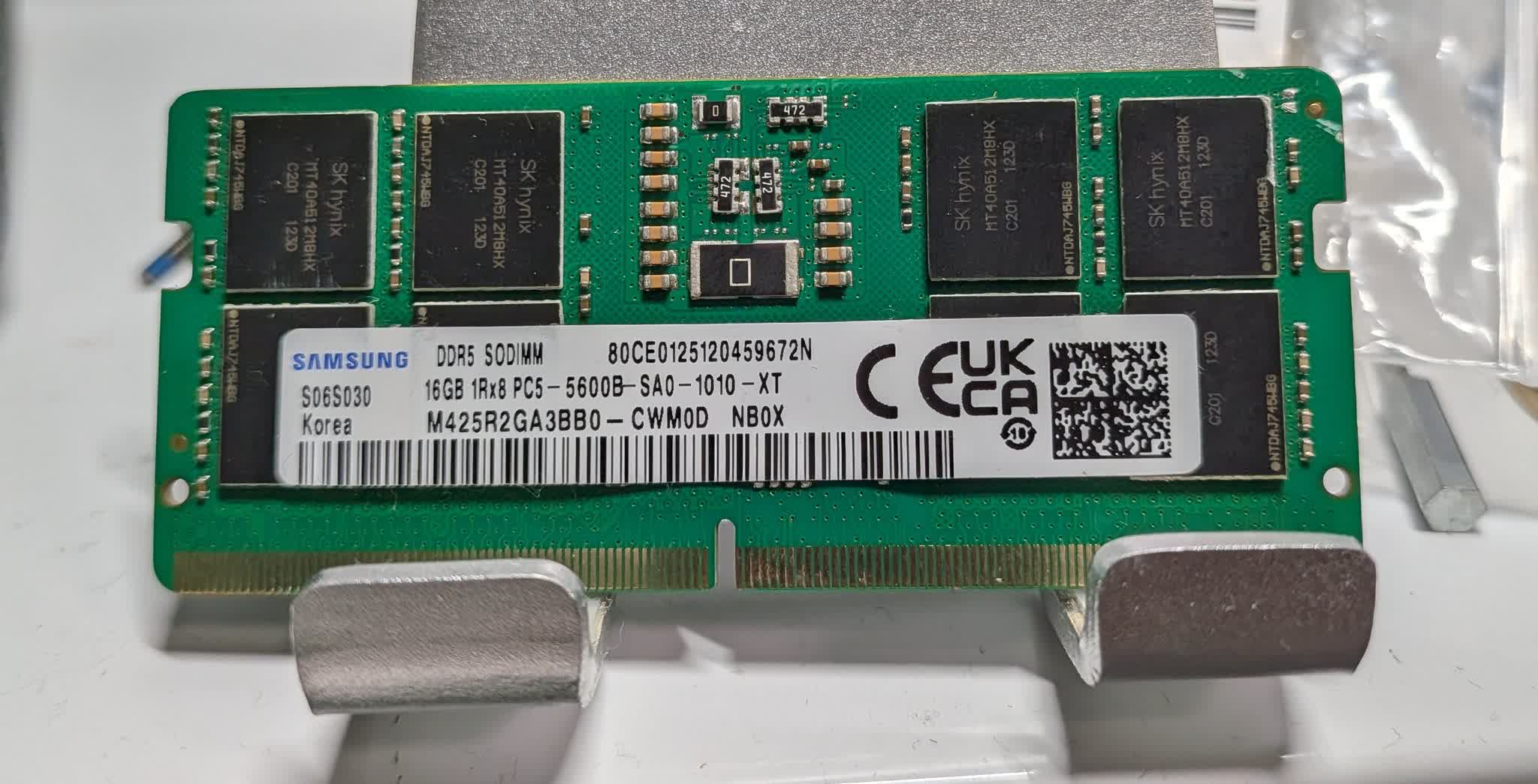
Winners & losers: Welcome to the era of the AI-induced memory crisis, where components cost a small fortune and DDR5 scams are rife. The latest example has appeared in Asia, where fake modules are being fitted with empty chips designed to look real.
A Japanese X user called TAKI drew attention to the scam with a post showing some of the counterfeits. The photos show a 16GB DDR5 SO-DIMM module carrying a Samsung label, despite the components on the PCB being clearly marked as SK Hynix parts.
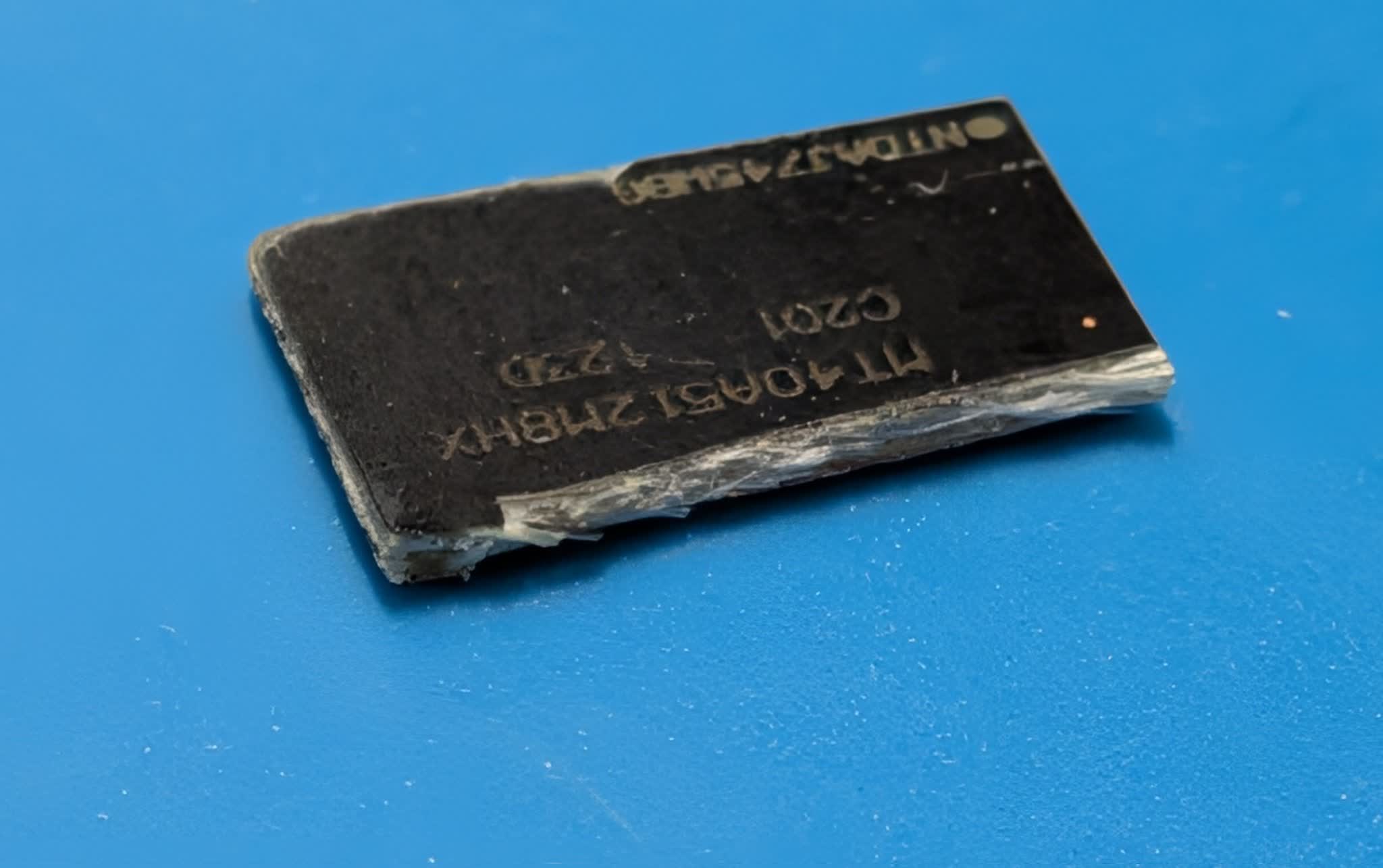
On closer inspection, the supposed memory packages have unusually rounded edges and a pale outline around them. After removing and cutting one open, TAKI found that there was no silicon inside at all, just plastic or fiberglass dressed up to resemble a real chip.
– TAKI (@taki_pc_1115) May 10, 2026
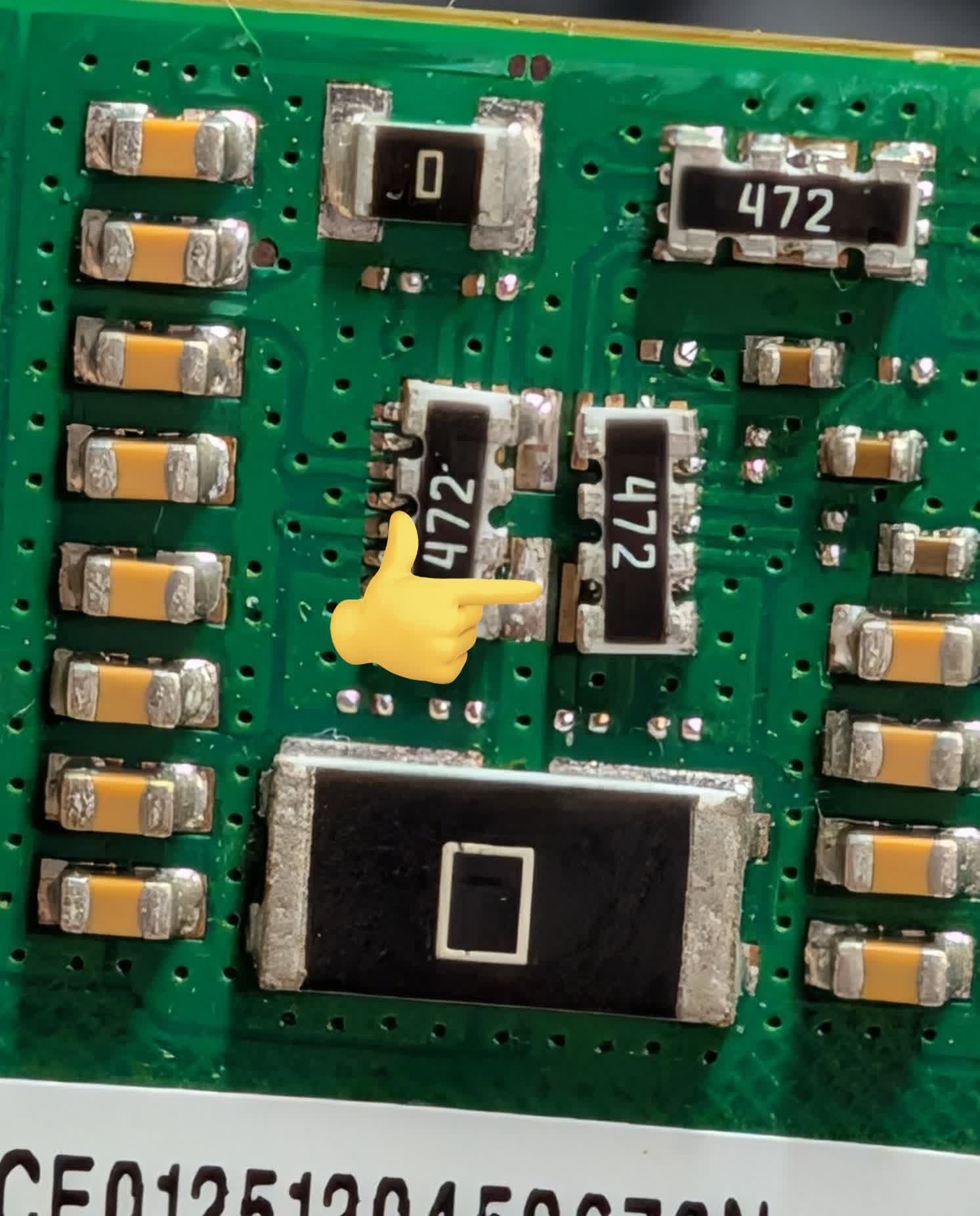
Other warning signs include odd-looking gold contacts, a differently shaped power-management IC, and a PCB color that looks lighter than it should. The fake modules have reportedly appeared on Japanese secondhand marketplaces, including Yahoo Auctions, where at least one was listed as an untested "junk" item with no returns accepted. That wording may give the seller some cover, but the parts are still designed to look convincing enough to fool buyers who are not paying close attention.
The scam is especially worrying because, while laptop SO-DIMMs leave their chips exposed and make the deception easier to spot, desktop DDR5 usually hides its DRAM beneath a heatspreader, meaning buyers may have no obvious way to tell whether the modules are genuine until the system fails to boot.
This is far from the first DDR5-related con to emerge during the current memory crunch. In December, a buyer who ordered an XPG Caster DDR5 kit from Amazon received DDR2 sticks glued to metal weights instead. Days later, another Amazon customer bought a Corsair Vengeance DDR5 kit that turned out to contain DDR4 modules covered with DDR5 heatspreaders. The latter was sold and shipped by Amazon itself after apparently slipping through the company's returns process.
The scams have become common enough that Corsair redesigned the packaging for some Vengeance DDR5 kits earlier this year. The company replaced cardboard boxes with sealed plastic clamshell packaging that lets customers see the actual modules and added a center label that tears when opened, making swapped parts harder to pass off as new.
With DDR5 prices still through the roof and scammers looking to exploit people's desperation, buyers are left with the usual advice: be wary of deals that look too good, avoid "untested" memory from dubious sellers, inspect labels and packaging carefully, and consider recording the unboxing of expensive hardware – no matter where it comes from.