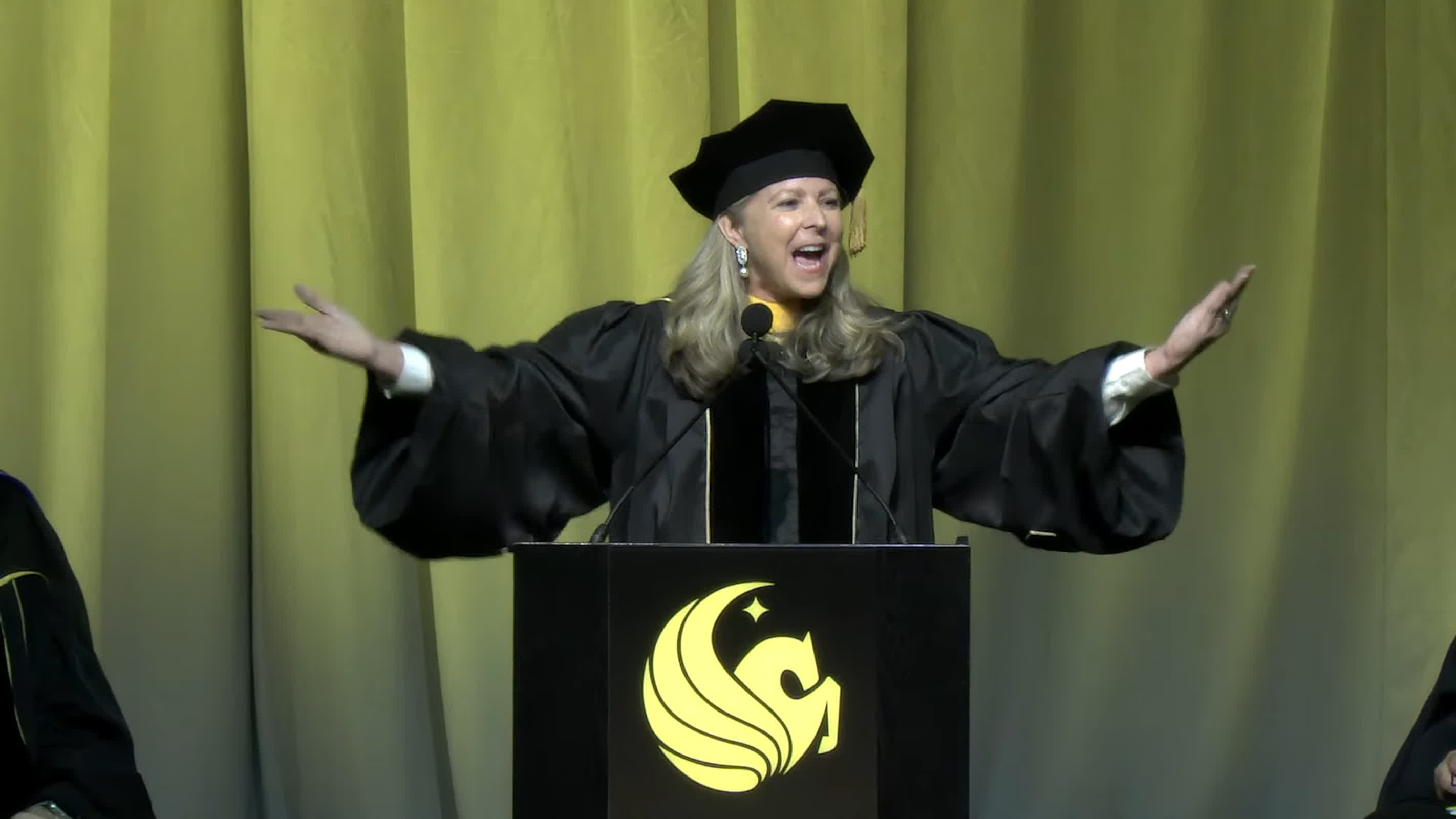
A hot potato: A commencement speech at the University of Central Florida this month took an unexpected turn when artificial intelligence became the focal point – and the flashpoint – of the ceremony. Gloria Caulfield, VP of strategic alliances at Tavistock Group, was addressing graduates from UCF's College of Arts and Humanities and the Nicholson School of Communication and Media when she introduced a familiar industry perspective: AI as a transformative force. "And let's face it, change can be daunting. The rise of artificial intelligence is the next industrial revolution," she said.
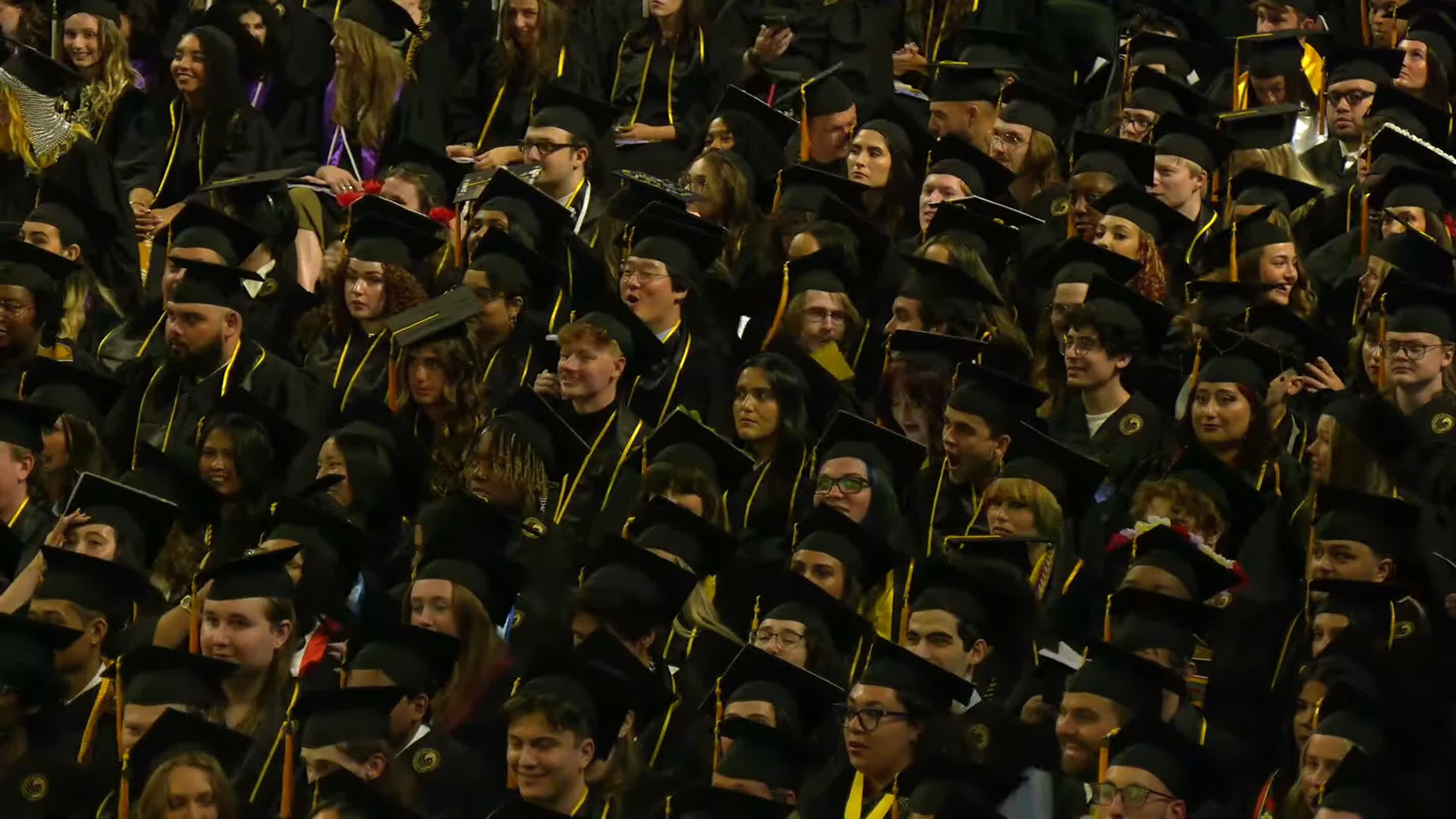
The crowd did not take the comments quietly. What began as scattered murmurs quickly built into loud, sustained boos.
Caulfield paused, visibly reacting to the response. "Oh, what happened?" she said, turning with her hands out. "Okay, I struck a chord. May I finish?" At least one person in the audience shouted back, "AI sucks!"
The exchange, caught on the UCF livestream, highlighted tensions as AI increasingly affects writing, analysis, and communication jobs. Caulfield tried to steady the room by acknowledging the reaction without backing away from her point.
"Only a few years ago, AI was not a factor in our lives," she said, drawing applause. But when she followed with, "And now AI capabilities are in the palm of our hands," the boos returned. "Okay. We've got a bipolar topic here I see," she said. "I love it, passion, let's go."
She made the case that tech disruptions like this have happened before, comparing it to past changes, especially the internet's arrival, which scared people at first but opened doors later. "AI is beginning to challenge all major sectors to find their highest and best use," she said. "Okay, I don't want any giggles when I say this. We have been through this before, these industrial revolutions. In my graduation era, we were faced with the launch of the internet."
She described a time when the long-term effects of emerging technologies were unclear, noting how early skepticism eventually gave way to widespread adoption and economic growth. She said that at the time, people didn't yet understand how those emerging technologies would reshape everyday life, and that many of the same uncertainties and concerns exist today. Looking back, she said, they boosted the economy, birthed companies like Apple, Google, and Meta, and created many jobs.
Caulfield put AI in that same hopeful light: paired with human smarts, it could tackle big global issues, and these grads might help make it happen.
At Tavistock, she handles partnerships for Lake Nona, Florida's planned community focused on health and tech. Earlier in her speech, she referenced Jeff Bezos as an example of long-term technological ambition, describing Amazon as a "stepping stone" toward his broader interest in space.
The audience reaction points to real worries about AI's quick hit on humanities and media jobs. Recent data shows AI isn't just assisting workers – it's replacing them. A report cited by CBS found that 21,490 job cuts in a single month were attributed to AI, accounting for 26% of all layoffs and marking the second consecutive month the technology was the leading cause.
Tech CEOs aren't mincing words about this. Palantir CEO Alex Karp said in April that AI will "destroy" humanities jobs. Anthropic CEO Dario Amodei has warned that the technology could eliminate a significant portion of entry-level white-collar roles. Even companies often held up as examples of earlier tech revolutions are restructuring around AI. Meta, for example, recently announced plans to cut 10% of its workforce as it increases its focus on AI systems.
The effects are also showing up in academic and cultural work as AI tools alter how research, translation, and archival work are done. A Microsoft study identified historians, interpreters, and translators among the professions most exposed to disruption from AI.
All this explains why Caulfield's comparison to past technological revolutions did not land smoothly with the audience in front of her. She saw AI's upside down the road; the crowd was thinking about jobs now.
UCF did not immediately respond to a request for comment.