First look: Ferrari is not easing into electrification. With the debut of the Luce, the automaker has taken an unapologetically technical approach to its first fully electric production car. The Luce is not positioned as a limited-run experiment or halo concept. It slots into the regular Ferrari lineup as a series-production model, with pricing at around €550,000,f or about $640,000.
The Luce runs on a new architecture with a four-motor layout – one motor at each wheel – that produces just over 1,000 horsepower in its most aggressive mode. The setup allows for precise, independent control at each corner of the car.
The rear motors each produce 355 kilowatts, while the front pair adds 105 kilowatts each. These units, derived from Ferrari's F80 program, spin at extremely high speeds – up to 30,000 rpm in the front and 25,500 rpm in the rear.
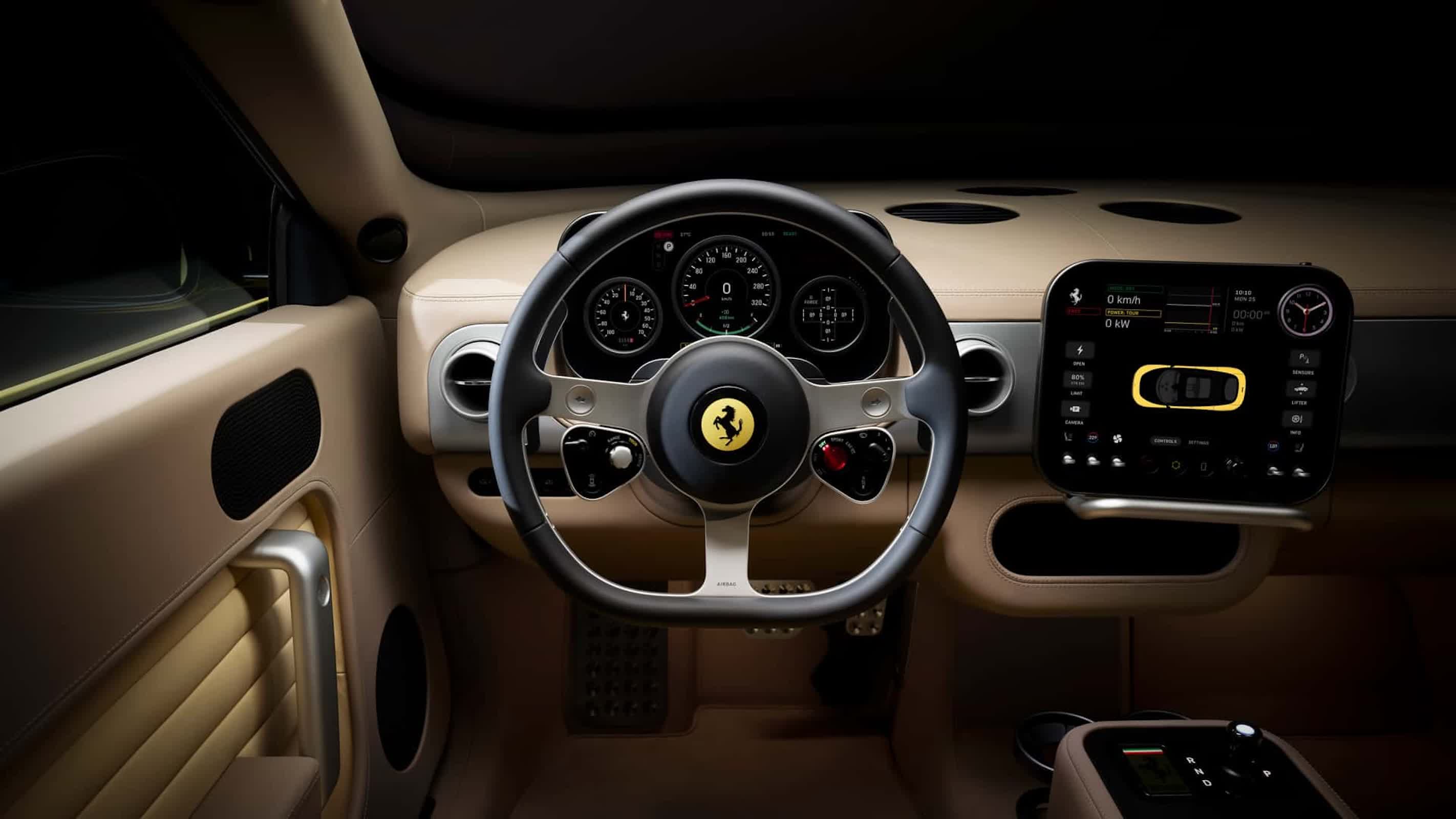
What stands out is not just the power, but how it is managed. Instead of simulating a traditional gearbox, Ferrari has introduced a system called Torque Shift Engagement. The steering wheel paddles are still there, but they no longer shift gears.
The right paddle adjusts how aggressively torque is delivered, while the left controls the intensity of regenerative braking. The idea is to give the driver real-time control over how the car behaves entering and exiting corners, rather than mimicking the feel of a combustion engine.
It works with Ferrari's E-Manettino drive modes, which adjust the car's response and drivetrain behavior. Ferrari says that with four independent motors and rear-wheel steering, the Luce can feel surprisingly close to a smaller mid-engine sports car despite its footprint.
The battery system is just as integral to the car's design. Built on an 800-volt architecture, the pack is structural, meaning it contributes to the chassis' rigidity. Its placement lowers the center of gravity significantly – by nearly 3.7 inches compared to the Purosangue – which Ferrari says creates a driving sensation similar to shedding hundreds of pounds.
The battery modules were developed with SK On and are designed to accommodate future cell technologies, an indication that Ferrari is thinking beyond the current generation of EV hardware. Fast charging is rated at up to 350 kilowatts.
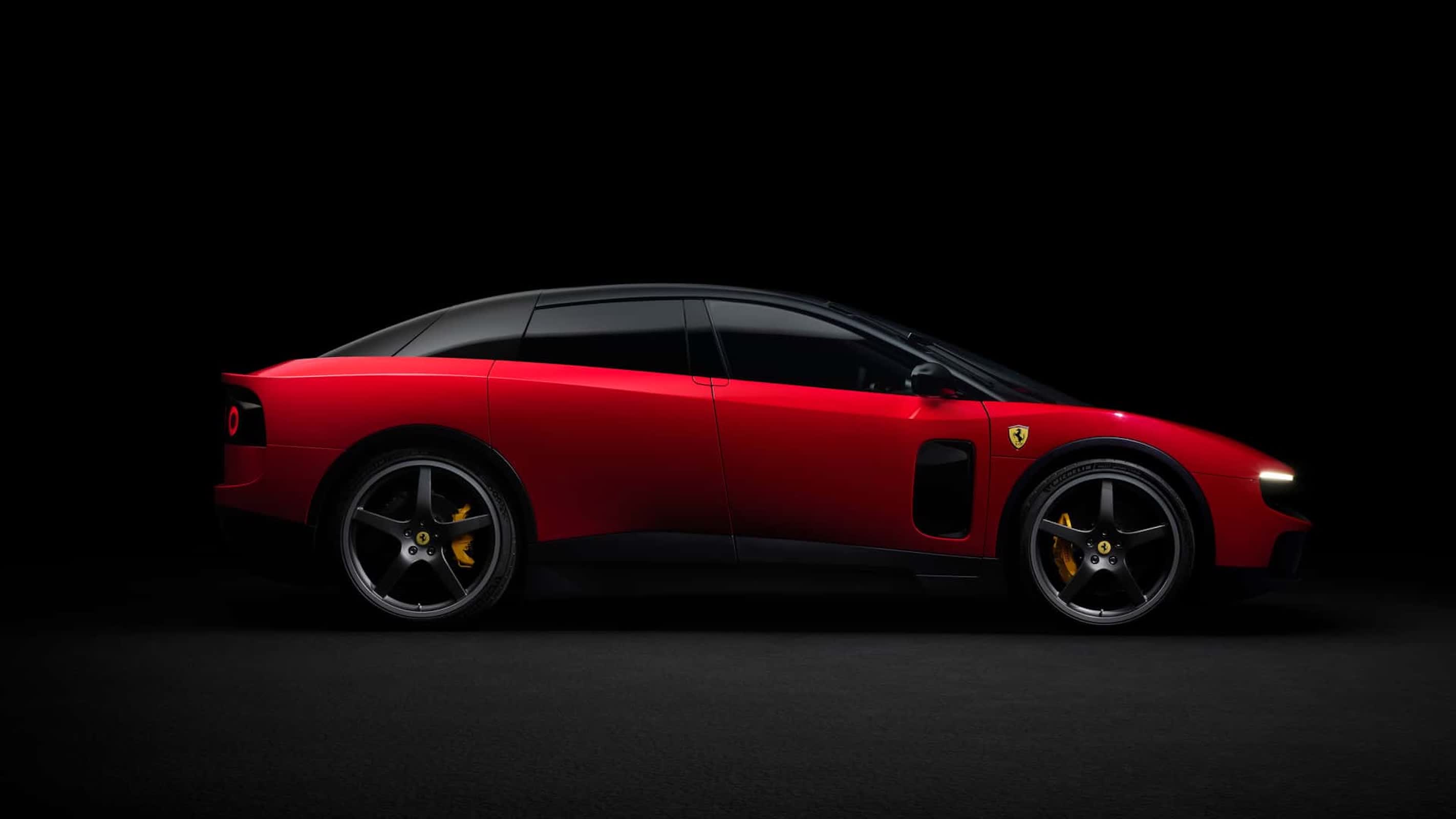
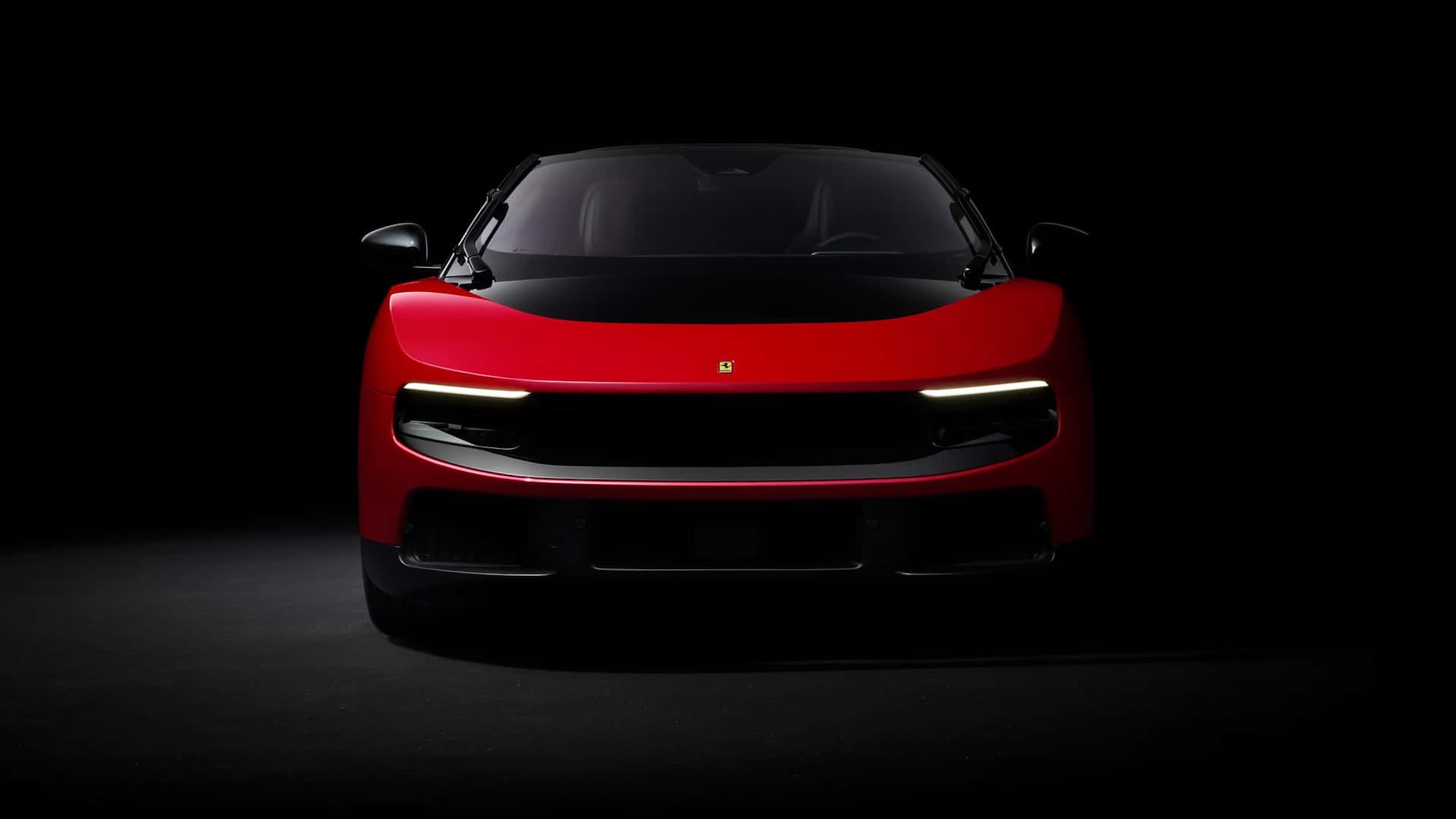
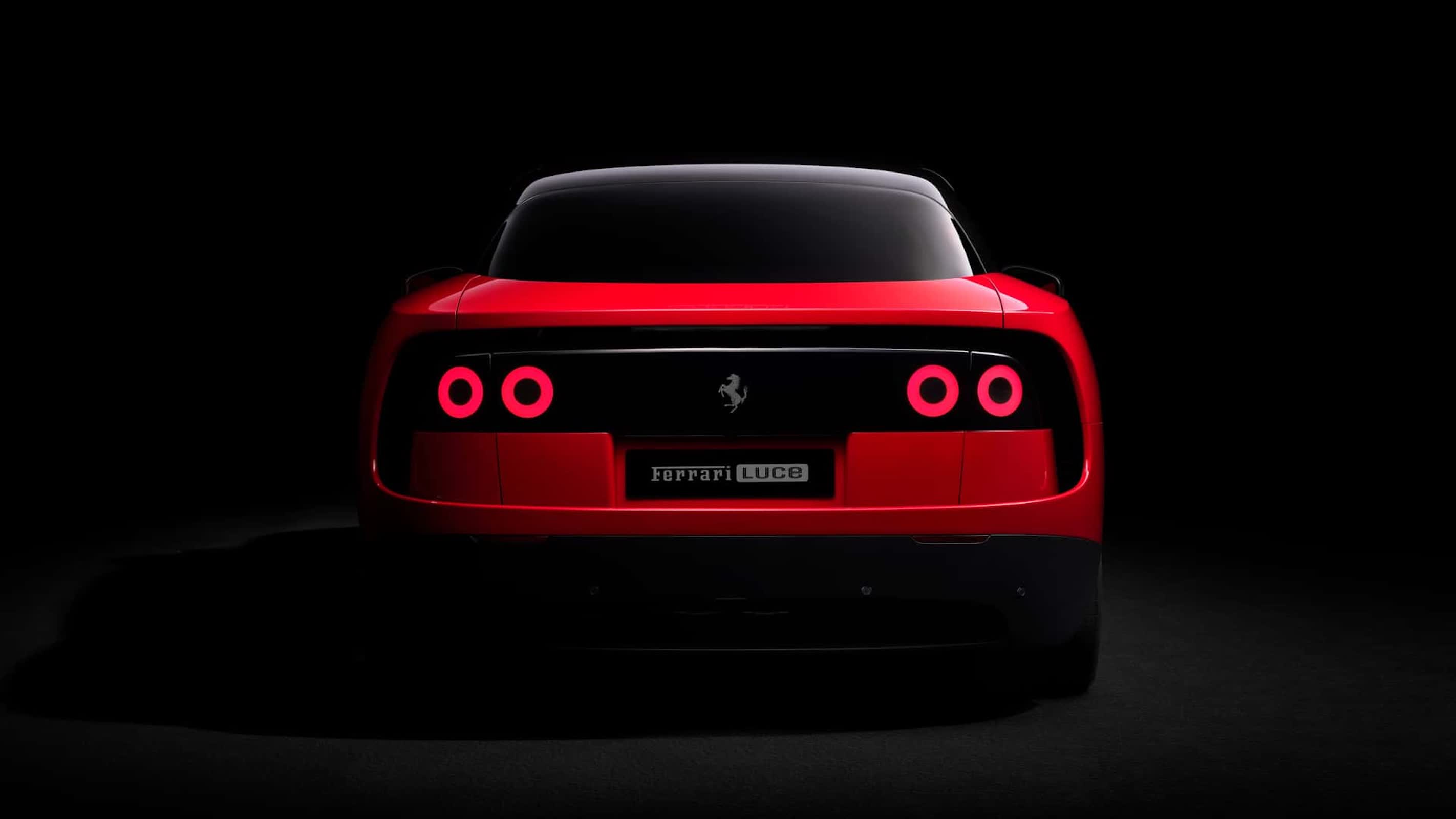
Aerodynamics shaped much of the exterior. Without a large combustion engine dictating proportions, Ferrari pursued a more fluid form, arriving at a drag coefficient of 0.254 without relying on active aerodynamic elements. The design was developed with input from LoveFrom, the firm founded by Jony Ive, though Ferrari emphasizes that engineering requirements came first.
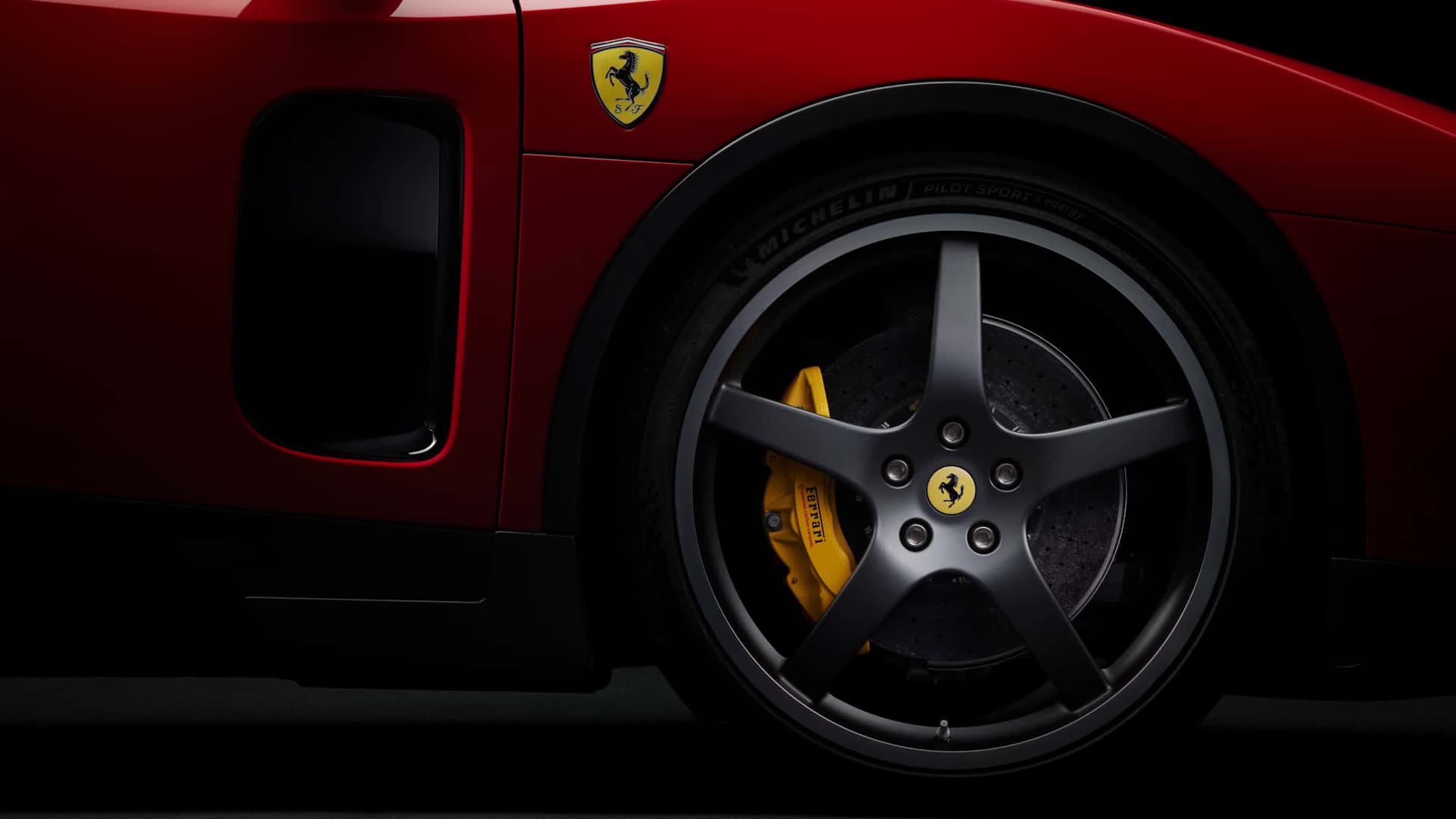
The result is a car with a teardrop-like cabin and a continuous surface that blends the hood into the windshield. Even smaller details were reworked, including patented windshield wipers designed to manage airflow more efficiently. The Luce also carries the largest wheels ever fitted to a production Ferrari – 23 inches at the front and 24 at the rear.
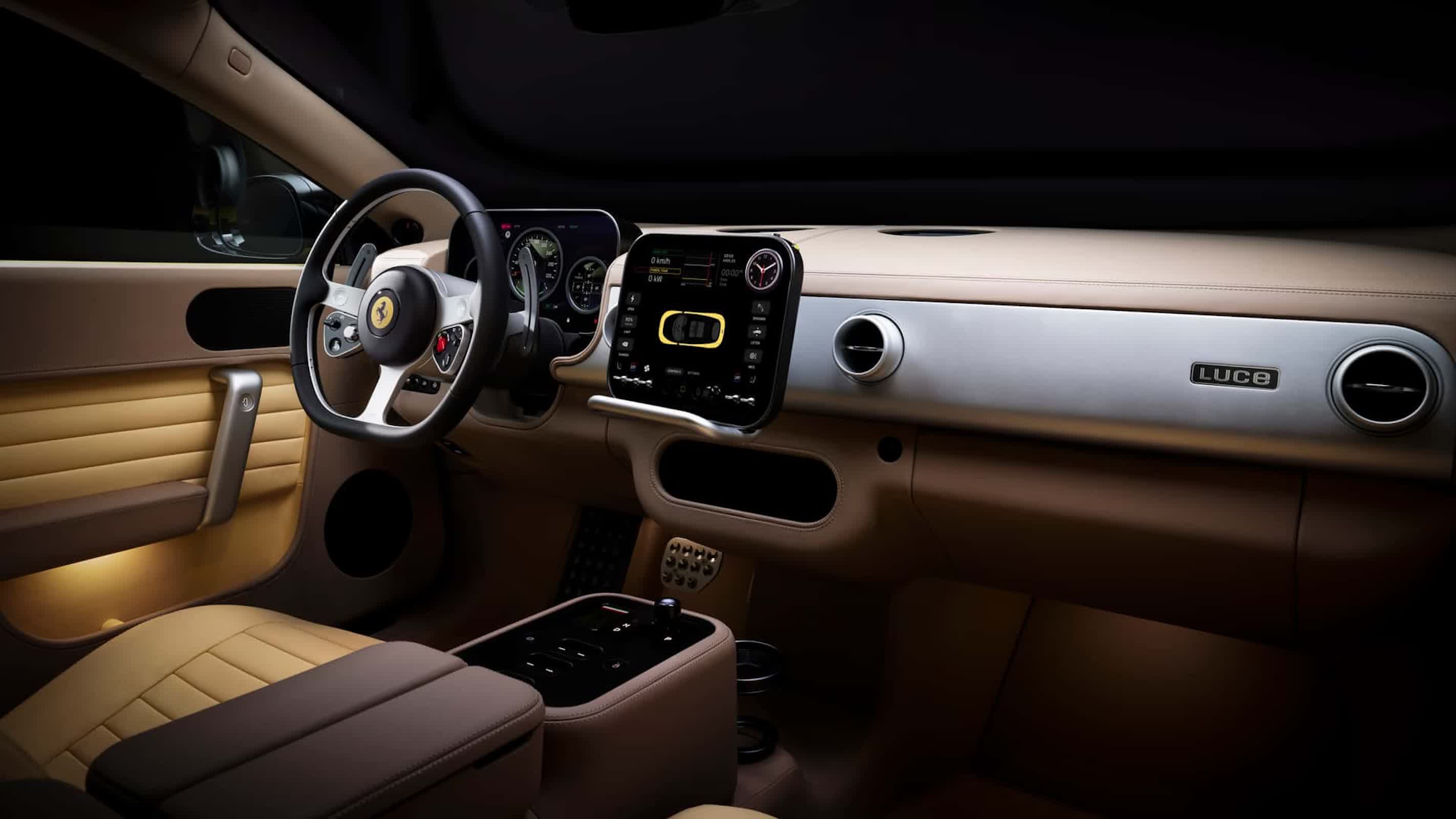
Inside, the approach is more restrained than expected. Rather than filling the cabin with screens, Ferrari has opted for a central display that can be oriented toward either the driver or passenger. The absence of a transmission tunnel opens up space for a true five-seat layout, along with 21.1 cubic feet of cargo capacity – an unusually practical figure for the brand.
The interior features extensive use of aluminum and glass, with clean, well-integrated digital controls. The design draws from consumer tech, but focuses more on build quality and ease of use than flashy visuals.
Sound, often a sticking point for electric performance cars, has been approached from a technical angle. Instead of artificial engine noise, the Luce uses an accelerometer to pick up actual vibrations from the motors and structure. An algorithm filters those signals, emphasizing certain frequencies to produce a sound profile audible both inside and outside the vehicle. Drivers can adjust or disable it as desired.
With the Luce, Ferrari is not trying to replicate the past. The car introduces a different set of tools for performance and engagement, built around software, control systems, and electric power delivery. It marks a clear shift in how the company defines what a Ferrari can be in an electric era.