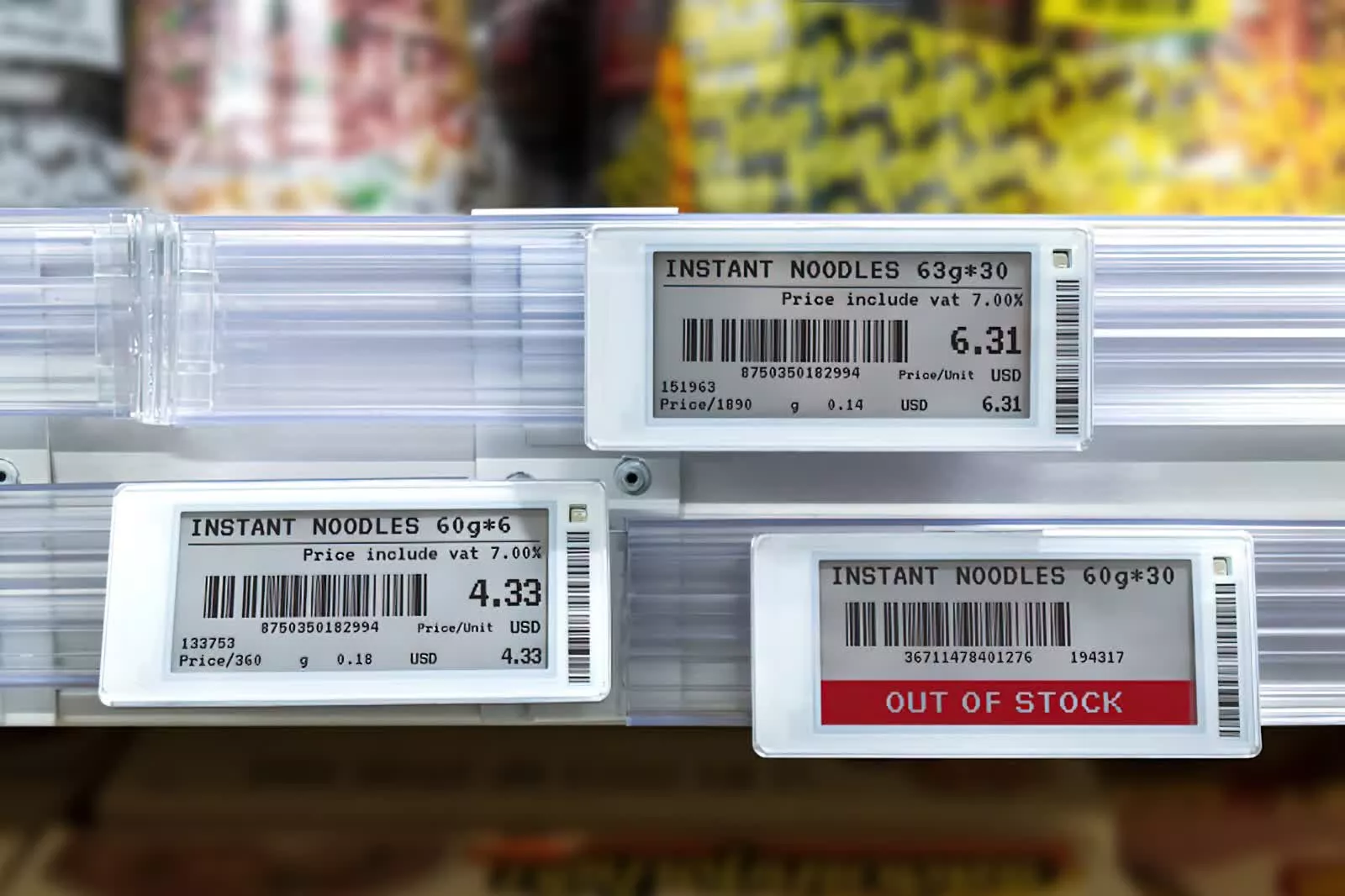
A hot potato: Do you think surveillance pricing and electronic shelf labels (ESLs) are a good idea? Probably not, and 67% of Americans feel the same way, believing that the technologies should be banned in grocery stores. The big fear, of course, is that they will increase the cost of goods.
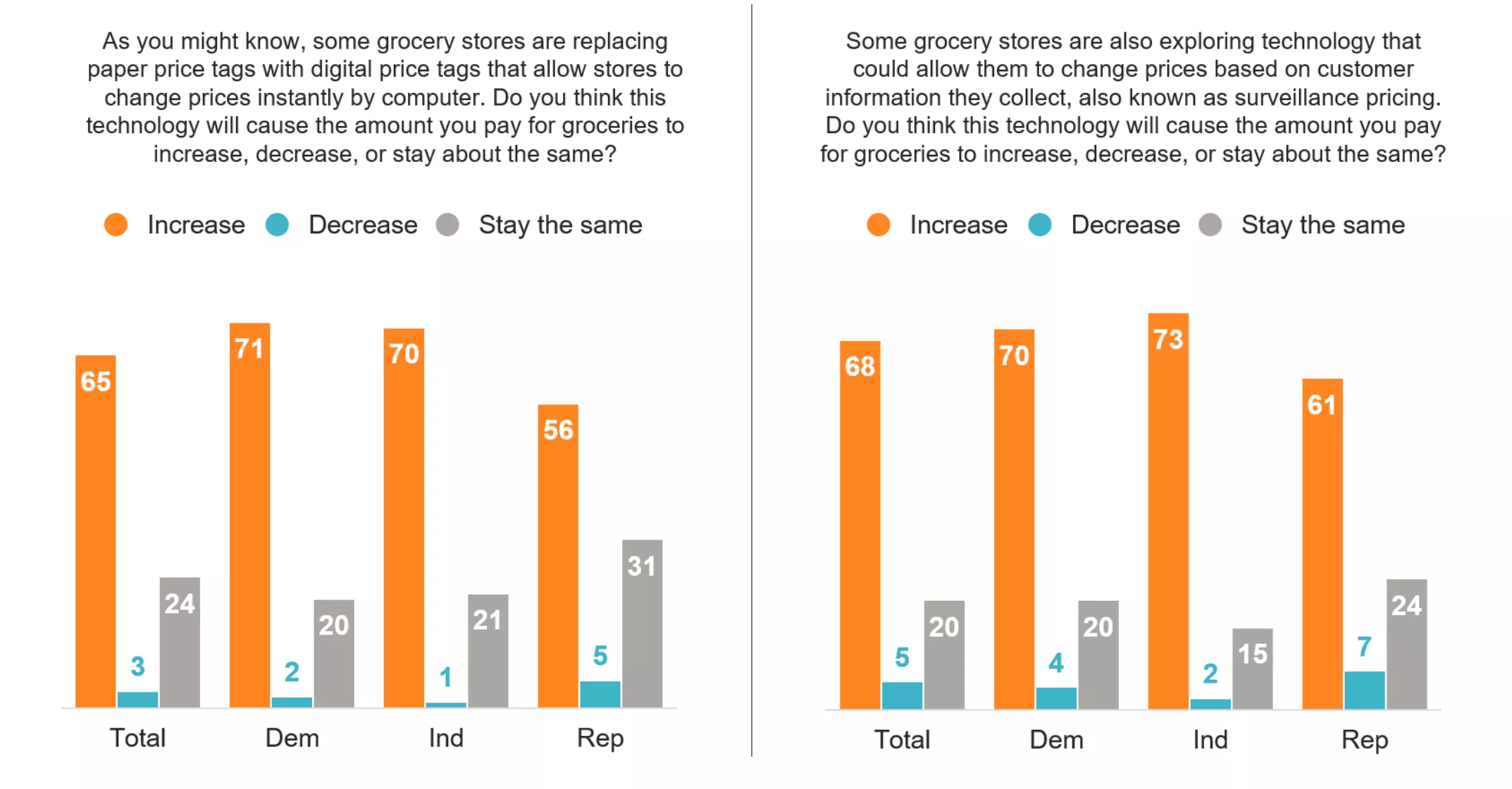
According to a new survey from GBAO Strategies distributed by the United Food and Commercial Workers International Union, 65% of American voters think ESLs will cause grocery prices to increase, while 68% think surveillance pricing will have the same result.
The survey also found that 20% of participants believe surveillance pricing will keep grocery prices the same. There's even a 5% group that optimistically think it will make them go down.
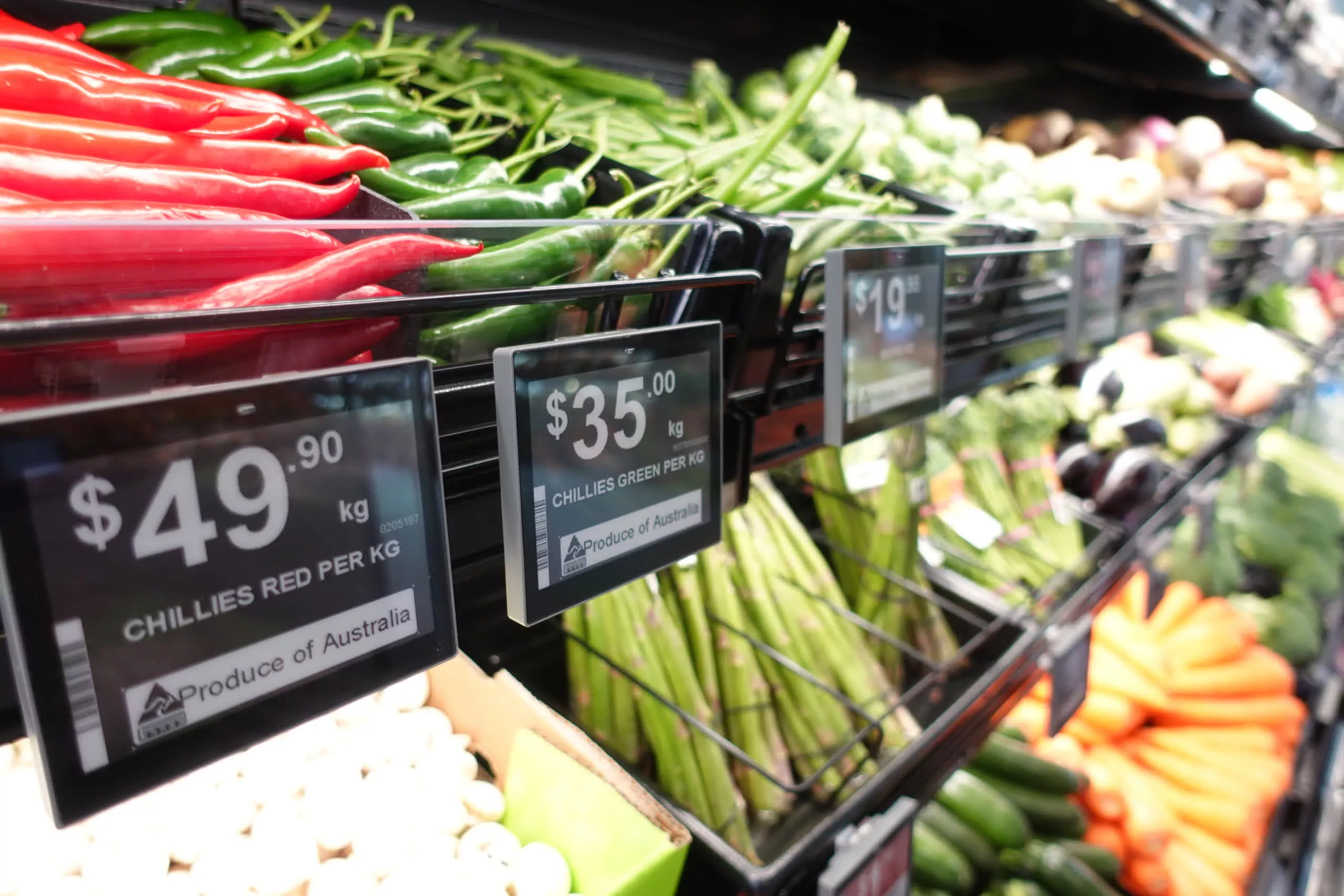
ESLs, or digital shelf labels, as they're often called, are finding their way into more retail stores despite public pushback. About 2,300 Walmart stores use them, with a rollout to all US stores planned by the end of 2026, though the company insists they will not be used to increase prices and a human must be part of the process when prices do change.
Walmart also found itself under the spotlight recently when it secured two US patents this year covering automated markdowns and machine learning-based demand forecasting, raising concerns over dynamic pricing.
Digital shelf labels are also being tested or rolling out in Kroger, Whole Foods Market, and elsewhere. Much like generative AI, just because most people dislike the technology doesn't mean companies aren't going to adopt it.
In another similarity to gen-AI, firms using ESLs might find their customer numbers are shrinking in response. 58% of participants said they would be less likely to shop at a store that used ESLs, while just 3% said they were more likely. 35% said it made no difference to them.
The poll also found that 73% of Americans have a negative view of the US economy, 66% are worried about grocery costs, and 72% do not trust stores to use the technology responsibly.
The union is now using the findings to push for bans before ESLs become a standard part of the grocery shopping experience. UFCW says bills targeting ESLs and surveillance pricing have been introduced in Congress and 12 states, with the New York State Senate passing one earlier this month.
The UFCW also points to the way ESL vendors sell the systems to retailers. Promotional material highlighted by the union frames digital labels as a way to change prices instantly, improve margins, and reduce labor costs. That's unlikely to reassure shoppers already convinced that stores would use the technology to squeeze more money from them. It also raises concerns for workers, who could see some of their roles automated away or be left dealing with angry customers when prices suddenly change.