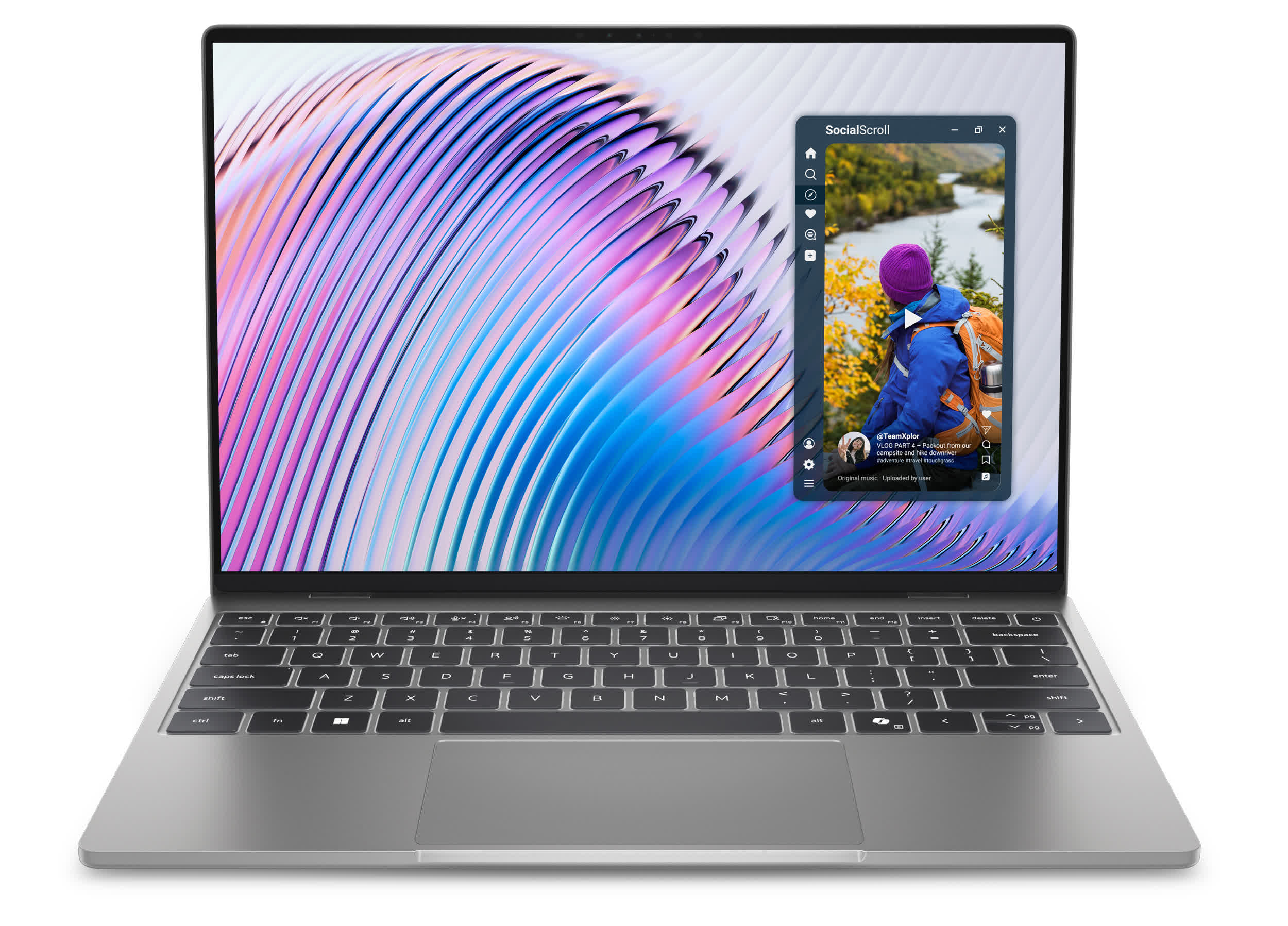
In a nutshell: Dell is taking another swing at the ultraportable market, this time with a version of the XPS 13 designed to compete on price as much as aesthetics. The new model, set to launch in July, marks a shift for the XPS lineup, which has traditionally targeted the premium segment. With this release, Dell aims to bring the XPS design language to a lower price point without sacrificing the features and styling that define the brand.
The company is launching the laptop at a promotional price of $599 for students as part of a back-to-school offer that runs through September. After that, the starting price will increase to $699. That places it in direct competition with Apple's MacBook Neo, which has already helped define the budget ultraportable category. Apple still offers a slightly lower student price, meaning Dell will need to differentiate the XPS 13 in other areas.
Dell is emphasizing the XPS 13's portability. The company says this is the thinnest and lightest XPS 13 it has ever produced, measuring just half an inch thick and weighing 2.2 pounds. The design is clearly aimed at users who are constantly on the move, making it easy to carry throughout the day.
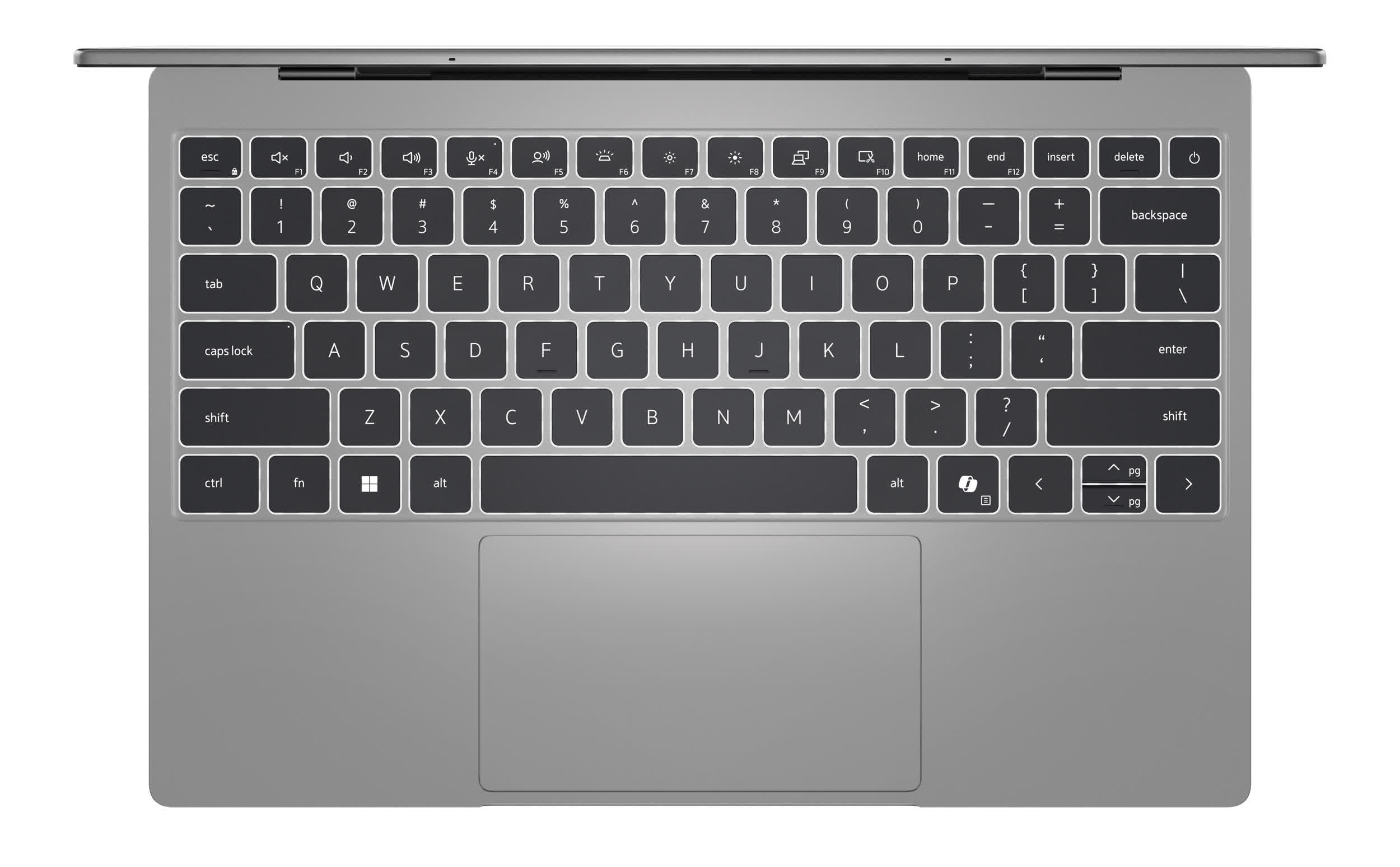
At the same time, that minimalist approach extends to connectivity, for better or worse. The laptop includes just two USB-C ports and omits a headphone jack entirely. Higher-end configurations add Thunderbolt 4 support and more powerful processors, but the missing headphone jack remains.
The entry-level model is powered by Intel's six-core Core 5 320 processor from the Wildcat Lake family, paired with 512GB of storage and 8GB of RAM. While that should be sufficient for everyday tasks, the memory capacity may prove limiting for users running more demanding workloads on Windows 11.
Dell plans to offer more capable configurations later, featuring Intel's upcoming Panther Lake processors and up to 32GB of RAM, though those options will not be available at launch.
One area where Dell is not cutting corners is the display. Every configuration includes a 13.4-inch anti-glare touchscreen with a 2,560 × 1,600 resolution, a variable refresh rate ranging from 30Hz to 120Hz, 500 nits of brightness, and 100 percent DCI-P3 color coverage.
It's the kind of display that immediately stands out, especially at this price point, and is arguably one of the laptop's strongest selling points.
Battery life is another key part of Dell's pitch. The company claims up to 17 hours of video streaming on a single charge and says the laptop should comfortably last through a full day of classes. A backlit keyboard is also included as standard.
Dell is not being subtle about its target audience. During an early media briefing, COO Jeff Clarke directly referenced Apple's competing device. The comparison is difficult to avoid, and Dell appears comfortable embracing it.
Dell also teased a larger XPS model equipped with discrete graphics. Alongside the XPS 13, the company previewed a bigger, more powerful system featuring Nvidia RTX graphics, a tandem OLED display, an HDMI port, and an SD card slot. Dell described it as a higher-performance XPS designed for users with more demanding workloads.
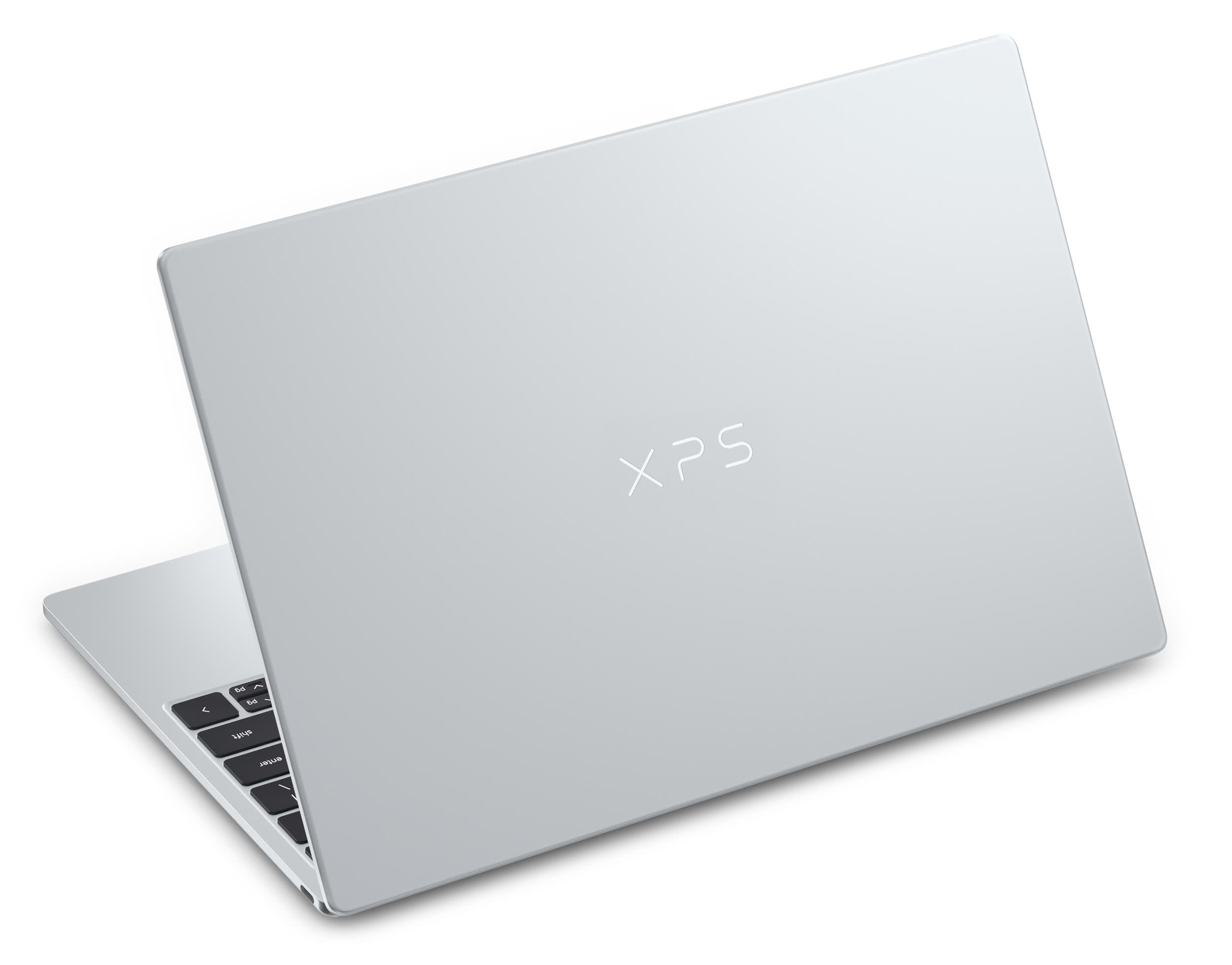
The broader context is Dell's decision to revive the XPS brand after phasing it out in 2025. The XPS 14 and XPS 16, reintroduced earlier this year, helped reestablish the lineup. The XPS 13, however, may prove to be the more significant test. Competing in the $599 to $699 price range leaves Dell with little room for error.
Ultimately, the new XPS 13 is defined by its trade-offs. Its biggest strengths are portability, display quality, and promising battery life. However, the entry-level configuration, particularly its 8GB of RAM, may give some buyers pause. Its success could ultimately depend on whether consumers are willing to accept that memory capacity at this price point.