
The big picture: It's no secret that Apple's MacBook Neo has successfully tapped pent-up demand. The $600 laptop blew past the company's expectations, and Windows laptop manufacturers are already scrambling to respond. Reports suggest that Apple is positioned to capitalize on the Neo's success despite industry-wide component shortages, price hikes, and declining sales projections.
Sources have informed prominent Apple analyst Ming-Chi Kuo that Cupertino has internally revised its shipment projections for the MacBook Neo this year from 5 million to 10 million, suggesting the company will double its production targets. This comes despite supply chain challenges Apple is expected to face.
IDC recently reported that Apple shipped approximately 1.1 million units of its new entry-level MacBook in less than three weeks last quarter, outselling the MacBook Air and Pro. The concept of a MacBook for under $800 is clearly appealing enough for customers to overlook the Neo's iPhone CPU and mere 8GB of starting RAM.
– 郭明錤|Ming-Chi Kuo (@mingchikuo) May 31, 2026
However, doubling production would be an impressive feat at a time when other manufacturers are raising the prices of laptops and other devices due to RAM shortages. The diversion of DRAM and NAND to AI data centers could lead to historically low PC shipments this year.
Worse yet, repurposed and partially disabled iPhone processors were likely a major factor behind the MacBook Neo's existence and its low price. Since the laptop quickly exceeded the company's sales projections, Apple might struggle to offer the same deal with newly manufactured processors. With TSMC's 3-nanometer production process effectively at capacity, Apple might have to discontinue the $599 model or find some other way to preserve profit margins on the Neo.
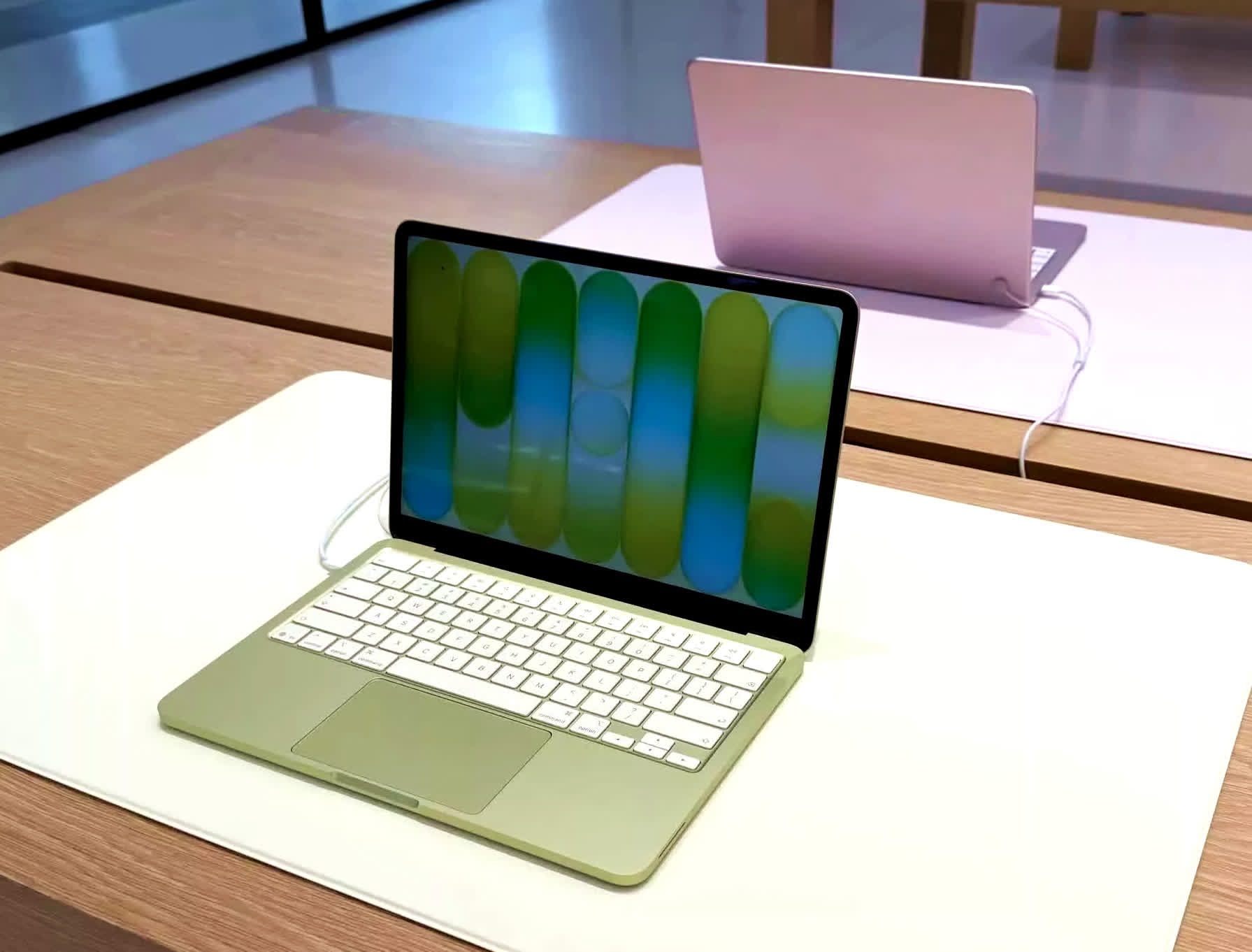
Despite the challenges, Windows laptop manufacturers aren't giving up the budget laptop market without a fight. Intel's Wildcat Lake CPU lineup is powering new sub-$600 notebooks from Asus, HP, and Dell. Like the Neo, Dell's new XPS 13 also starts with only 8GB of RAM despite most experts recommending at least 16GB for any serious Windows 11 device.
Kuo's report on this year's MacBook Neo production targets was part of an analysis on the potential impact of Nvidia's new RTX Spark processor lineup on local AI processing. Despite Intel, Microsoft, and other companies promoting local generative AI processing, most users still rely on cloud services, and local AI agents like OpenClaw remain relatively niche. Although the RTX Spark could become an attractive AI platform, that might not mean much without a killer app for on-device AI.