
Ripple effect: Never one to miss an opportunity to jump on a bandwagon (or steal someone else's idea), Meta CEO Mark Zuckerberg has directed a small team to create a prediction market app. The big difference is that it won't use actual money for trades – though that could change at some point.
The app, which is said to be called Arena, is in its experimental stages, reports The New York Times.
Prediction markets such as Polymarket and Kalshi have seen their popularity skyrocket in the years since they launched, despite the controversies. Kalshi calls itself a hedging platform, but many say it's just sports betting in disguise.
Meta appears to be playing it safe in that regard. A person familiar with the plans told CNBC that the social media giant's version would not use real money. Instead, Arena will likely use a video game-like points system.
That decision does feel like it will affect the app's popularity. It's hard to imagine a huge number of people would use prediction-market apps, or any betting app, just for the fun of it, or to boast about how many points they've won.
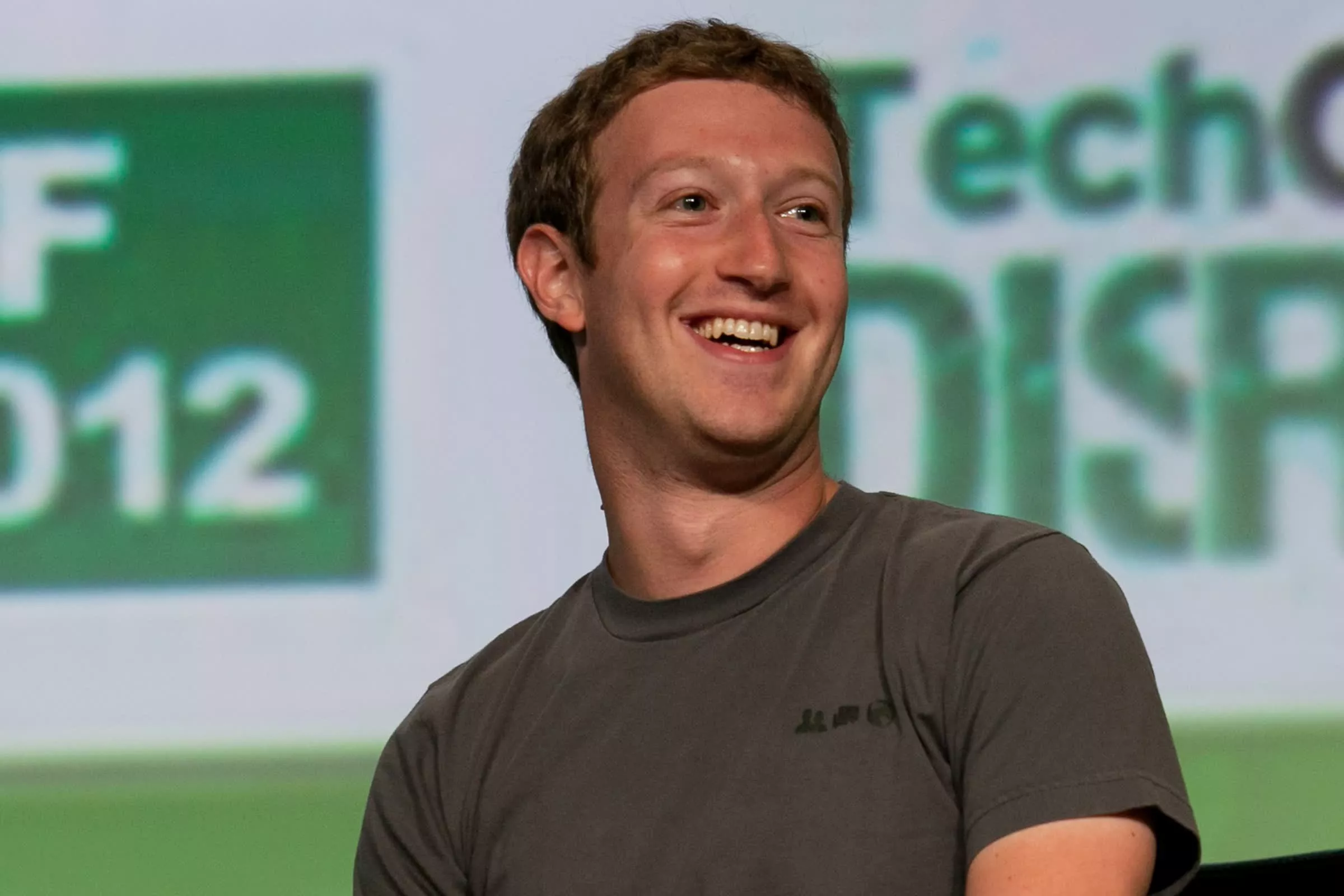
The lack of real money makes Arena sound a little like the old Facebook poker. One might imagine some kind of integration with Facebook or Instagram, maybe using profile badges or stickers, but the insider said Arena would be separate from Meta's social media sites. However, the report added that the company would seek to leverage the platforms' user base to direct potential traders to the platform.
Not surprisingly, Meta hasn't ruled out eventually allowing real money to be used in Arena, which seems the likely path it will follow.
Meta has been here before. Back in June 2020, its experimental NPE team launched a prediction-market-style app called Forecast. Users could ask questions about future events, make predictions using in-app points, and discuss why they thought something would happen.
Forecast didn't prove wildly successful, leading to its shuttering in 2022. Given the rise in popularity of prediction markets – their trading volumes are expected to hit $1 trillion by the end of the decade – Zuckerberg obviously believes the second time's a charm in this case, especially when using real money is a future possibility.