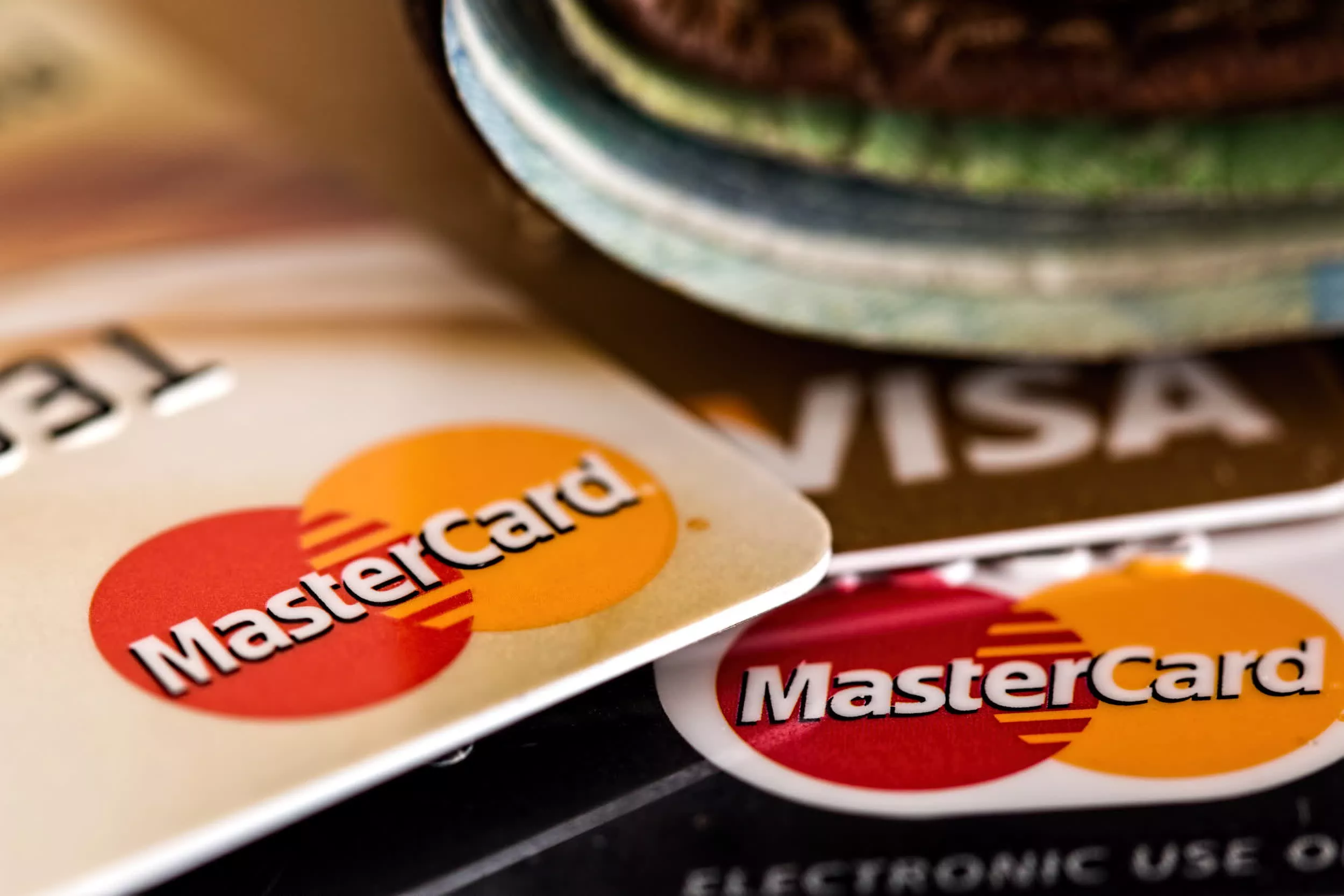
Facepalm: Over the weekend, many Australian shoppers found their Mastercard payments declined mid-purchase. The US-based company confirmed the issue Saturday and says its network is now back to normal. While the disruption technically hit Mastercard's global network, it was felt most acutely by shoppers in Australia.
An undisclosed number of Australian customers were unable to pay with their cards during Saturday's shopping trips. As reported by ABC, Mastercard quickly identified the cause of the new outage: a scheduled system update that went wrong, triggering declined transactions for a period of several hours.
The situation was resolved by the end of the day, Mastercard said, though the company hasn't shared specifics about what the update was actually meant to do.
During the outage, many shoppers found themselves unable to complete purchases with a Mastercard-issued credit card. ABC reports that some shoppers tried backup cards without luck, and were ultimately forced to leave their carts behind and head home for cash. By the time they returned, the outage had already cleared and payments were working normally again.
According to Downdetector data, the outage left a clear mark on Saturday's shopping activity. Reports of card issues climbed past 1,700 by 3 pm, then fell back to 173 a couple of hours later. Most complaints centered on fund transfers and mobile banking, though cash withdrawals and Apple Pay were affected, too.

Anyone living inside a digital, networked economy knows all too well how disruptive a systemic outage can be. Payment processors like Mastercard and Visa sit at the center of that infrastructure, and they're routinely criticized for becoming unreliable at the exact moment people need them most.
In light of the infamous CrowdStrike incident a couple of years ago, banking organizations warned that total dependence on "digital money" and payment processors is a disaster waiting to happen. Another massive CrowdStrike-scale event could bring a cashless society to a standstill, they argued, which is why physical cash should still play a meaningful role in today's economy.
This weekend's Mastercard incident lends some weight to those warnings. In a worst-case scenario, the next global outage could carry far heavier consequences. And honestly, I'd almost forgotten what cash is even like.