Something to look forward to: Extended-range EVs are headed to the US market as automakers look to address two persistent barriers to their adoption: charging concerns and reduced range while towing. The vehicles operate primarily on battery power but use a gasoline engine as a generator when the battery runs low, giving drivers an alternative to waiting for a charger.
The approach could make electric trucks and larger SUVs more practical, though its success will depend on whether consumers see enough value in the added technology to pay more for it.
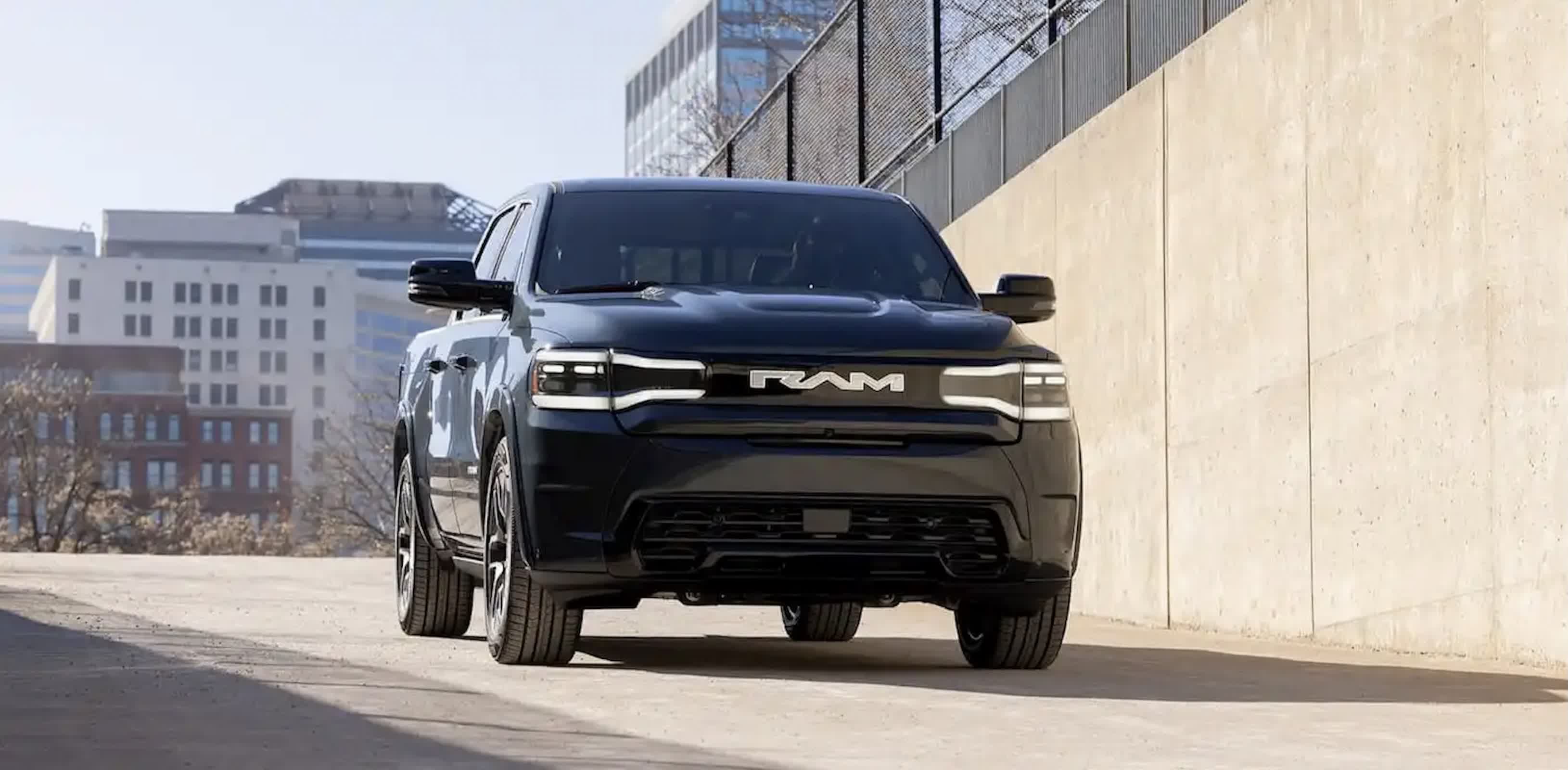
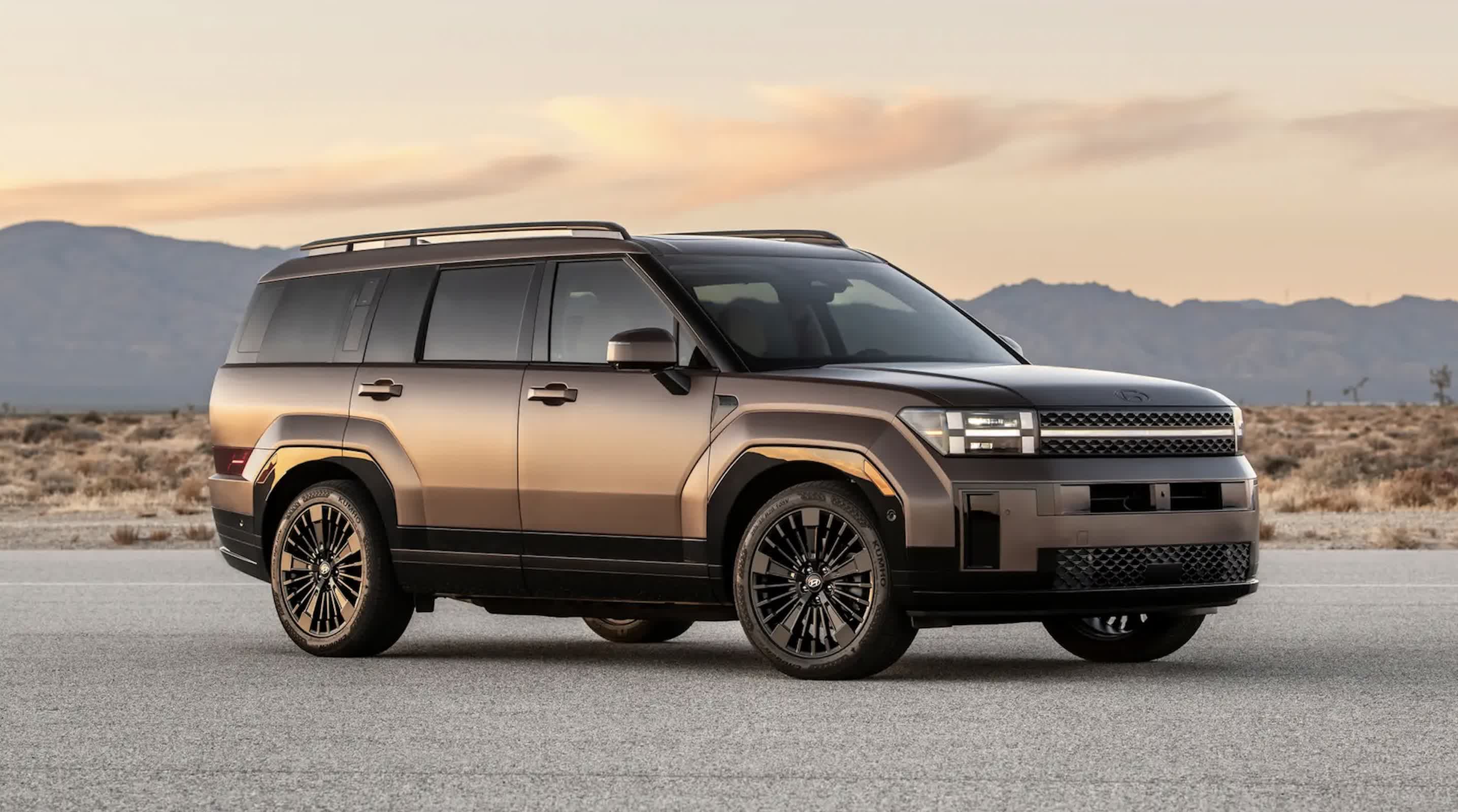
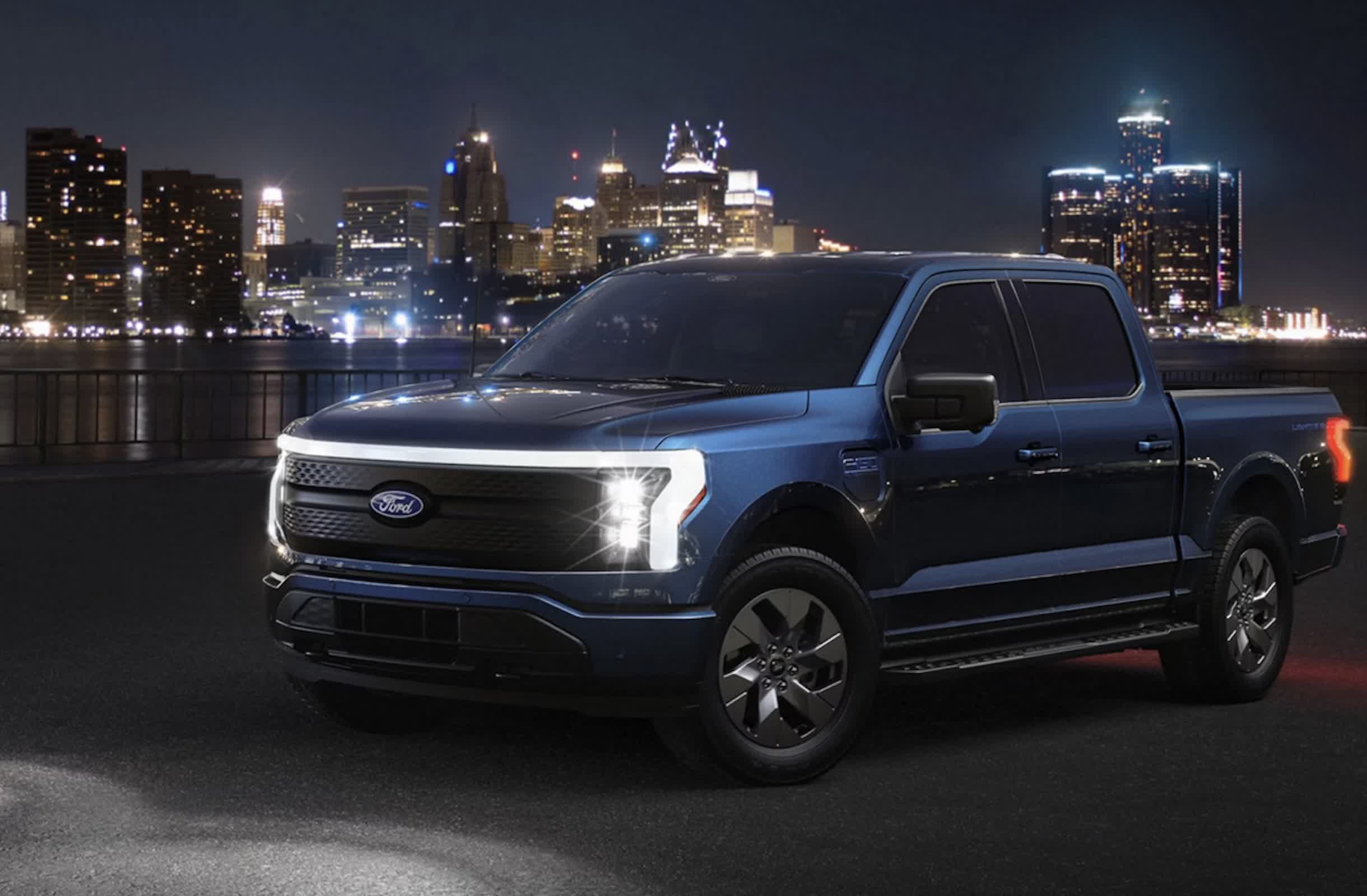
Stellantis plans to launch the technology in the Jeep Grand Wagoneer later this year or early next year. A Ram 1500 REV pickup will follow. Hyundai said in late August that the next Santa Fe will get an extended-range version in 2027, with about 600 miles of total range. Genesis will also introduce a similar model. Ford has said it will bring back the F-150 Lightning as an extended-range vehicle after canceling the battery-electric version.
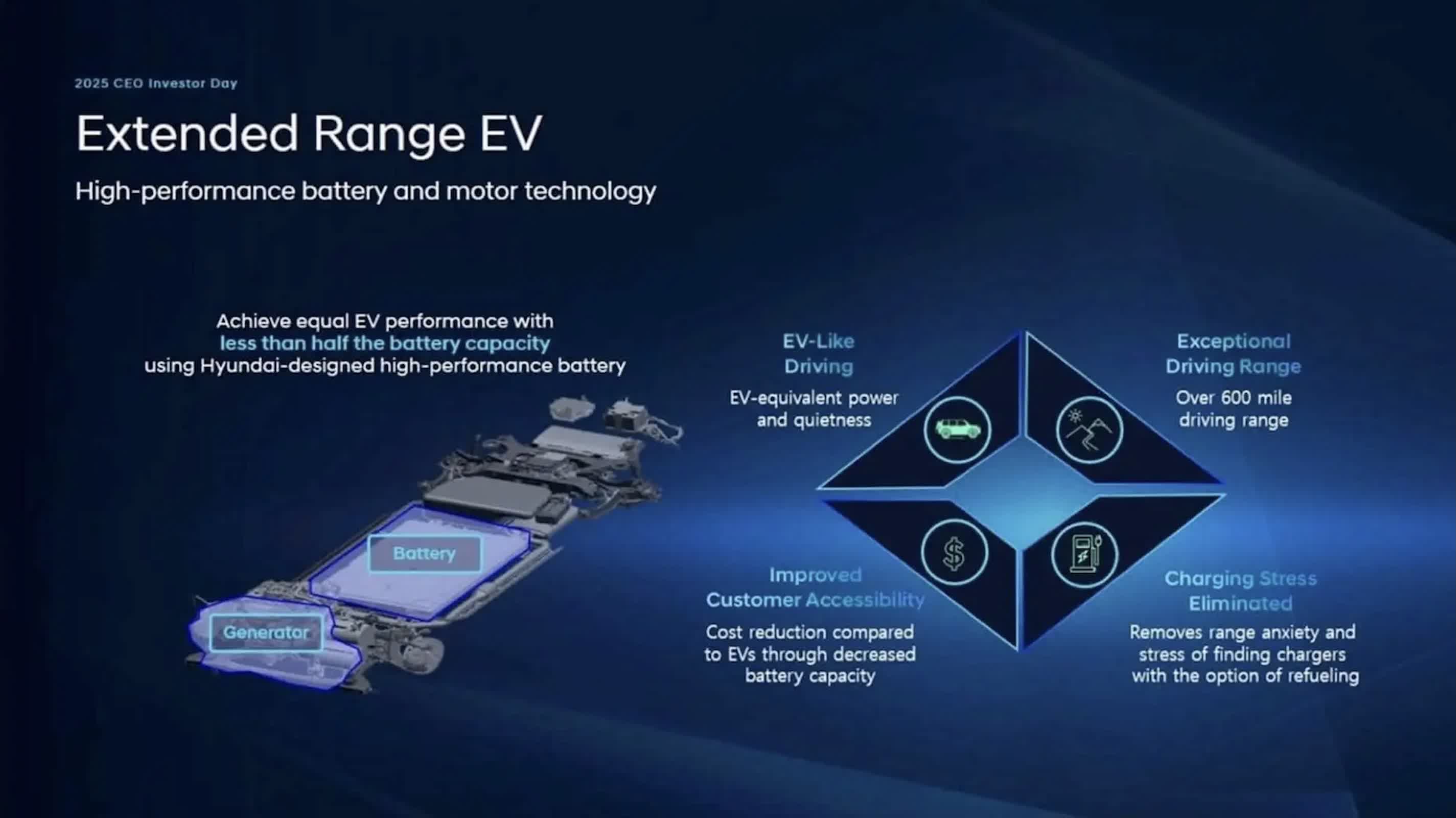
The vehicles are electric-first, but carry a gasoline engine that serves as a generator. The engine does not drive the wheels. Instead, it charges the battery when needed, allowing the vehicle to keep moving as long as gasoline is available.
That differs from most plug-in hybrids, which are generally gasoline vehicles that can travel a limited distance on battery power. Extended-range EVs are designed to run primarily as electric vehicles, with electric motors providing propulsion and the gasoline engine acting as backup power.
Stellantis says its Ram 1500 REV will pair a large battery with a V6 generator and deliver up to 690 miles of range. That would put it well above the range of many current EVs. Micky Bly, Stellantis' head of propulsion systems, said the approach gives buyers a practical alternative as automakers adjust their EV plans.
"It is simply a good answer," Bly told the Wall Street Journal.
The timing reflects a broader pullback in the auto industry's push toward fully electric vehicles. Automakers invested heavily in battery-powered models in anticipation of rapid demand growth. Sales have not risen as quickly as many companies expected, and the market has weakened further since the Trump administration eliminated a $7,500 federal EV incentive and rolled back regulations aimed at increasing EV adoption.
Range remains one of the biggest obstacles. Buyers also continue to raise concerns about charging access, especially on longer trips and in areas with limited public infrastructure. Larger vehicles make those concerns harder to address. Three-row SUVs and pickups need large battery packs, and their batteries can take longer to charge. Towing can also sharply reduce the range of an all-electric truck.
Sam Abuelsamid, an engineer and industry analyst at Detroit research firm Telemetry, said the added gasoline capability could make the technology more useful for truck owners.
"You're not really sacrificing anything in terms of how far you can tow, how long you can tow," Abuelsamid said.
Automakers are also betting that the newer vehicles will offer far more electric range than earlier plug-in models. The discontinued Subaru Crosstrek plug-in could travel 17 miles on electricity, while the plug-in Jeep Wrangler offered about 20 miles before its gasoline engine took over. General Motors' Chevrolet Volt, produced from 2011 to 2019, achieved about 50 miles of battery-only range.
The latest extended-range vehicles are expected to offer more than 100 miles of electric driving range, according to Abuelsamid. For many drivers, that could cover daily travel without frequent trips to the gas station.
Still, automakers will have to explain the technology clearly. Plug-in hybrids have never accounted for more than a small share of US new-vehicle sales. Some buyers used them for benefits such as access to high-occupancy vehicle lanes in California, while others rarely plugged them in.
"A consumer isn't going to buy what they don't understand, and that I think has been the central issue behind plug-in hybrids' relative lack of adoption here in North America," said Ed Kim, president of AutoPacific.
The technology is already more common in China, where Ford and General Motors sell range-extended models that are not available in the US. Whether the same approach catches on with American buyers will depend in part on price. Analysts and engineers say EREVs are likely to cost more than comparable gasoline vehicles and could, in some cases, cost more than full EVs.
"Customers won't reject them, but will they pay you extra for it? That remains to be seen," said Dan Nicholson, a former General Motors vice president and consultant.