
In context: Crusoe, the AI infrastructure company behind a major data-center campus in Abilene, Texas, has raised $3.9 billion and is expanding into smaller, factory-built facilities aimed at handling AI inference workloads. It is counting on those modular sites to add computing capacity more quickly than traditional projects, which can be held up by shortages of power, labor and construction resources. The move broadens Crusoe's business beyond massive data-center campuses and gives it another way to serve AI customers.
The funding round values Crusoe at about $30.9 billion after the investment, Chief Executive Chase Lochmiller said. Atreides Management, Valor Equity Partners, and Mubadala Investment co-led the round. Other investors include Founders Fund, TPG, and several sovereign wealth funds, including the Qatar Investment Authority.
Crusoe is known for building large-scale AI computing infrastructure, including the Abilene campus developed for Oracle, which rents computing capacity to OpenAI. The company now sees an opportunity for smaller installations that it can produce in its own facilities, ship by truck, and set up in areas with available electricity.
The units, called Spark, are intended mainly for inference. Training leading models can require massive clusters with hundreds of thousands of chips. Inference does not always require that scale, Lochmiller said.
"You don't actually need an Abilene to do that," he told The Wall Street Journal. Running inference at that scale, he added, "can be a bit of overkill."
The shift reflects a growing divide in AI infrastructure. Large campuses remain important for model training, where developers need vast numbers of Nvidia GPUs, high-bandwidth networking, and large power supplies. But inference can be spread across smaller facilities, particularly as companies look for ways to add computing capacity without waiting years for design, permitting, and construction.
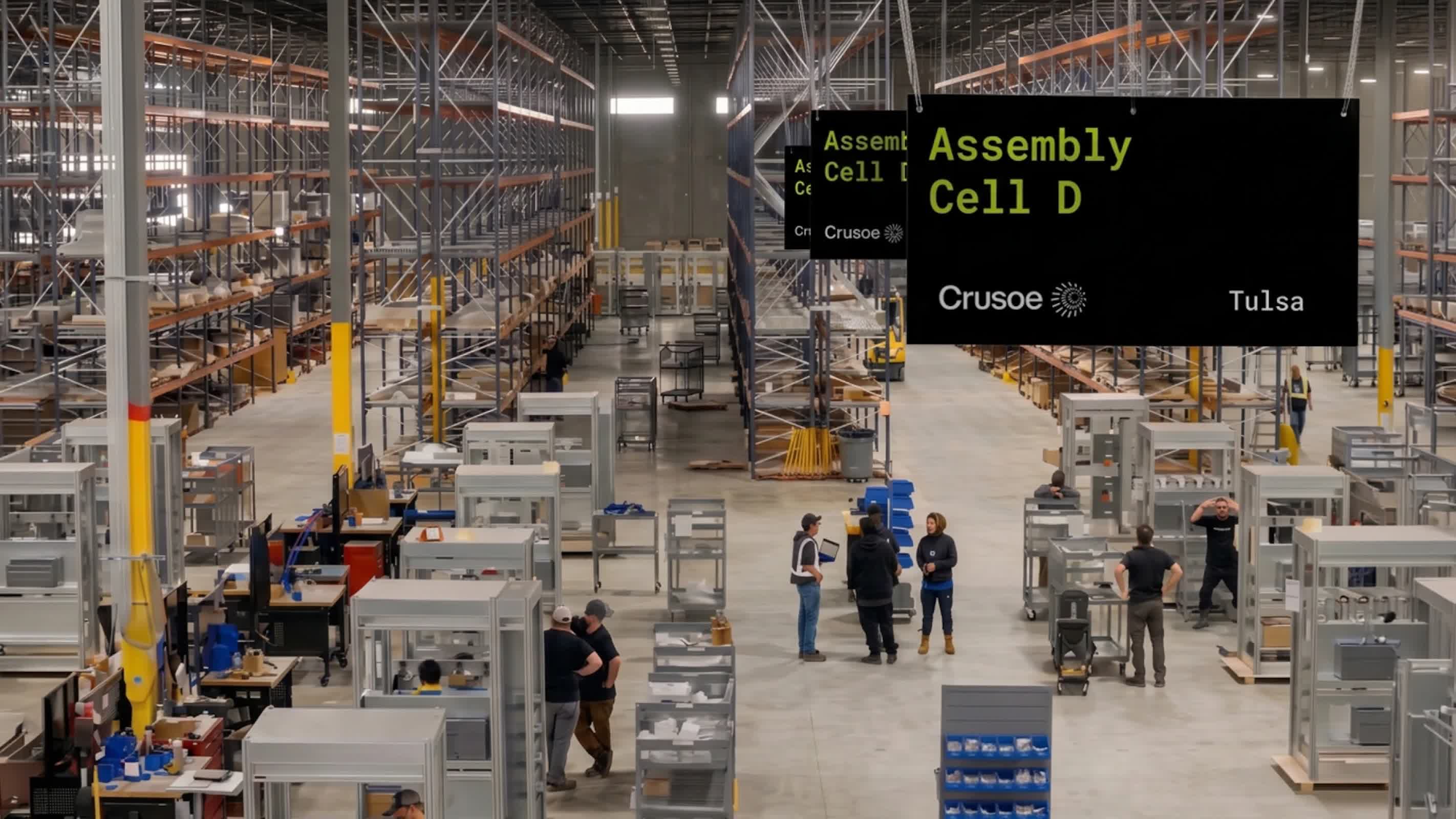
Crusoe's approach is to build Spark facilities in advance, then move them to places where power is available. That could reduce the need for large construction crews and shorten the time required to bring new AI capacity online. Access to electricity and labor has become a central issue for data-center developers nationwide.
Crusoe has a manufacturing facility outside Denver that Lochmiller said could eventually produce as much as one gigawatt of Spark capacity each year. The company already operates Spark units in Reno, Nevada, using power from solar panels and former electric-vehicle batteries.
"We're going to put them everywhere," Lochmiller said.
The company is also pursuing larger developments. Crusoe initially developed eight buildings in Abilene for Oracle. It had expected to expand the campus with Oracle and OpenAI, but those companies later signed deals with other developers. Crusoe instead leased additional Abilene buildings to Microsoft.
The campus has about 2.1 gigawatts of planned power capacity, according to Lochmiller. That includes a 900-megawatt gas plant planned to supply Microsoft's portion of the development.
Crusoe is also working with Google on a project in Armstrong County, Texas, according to people familiar with the development. It has two other projects underway in Texas and one in Missouri. Lochmiller said the company has more than six gigawatts of data-center capacity under contract.
Founded in 2018, Crusoe began by placing computing equipment near oil and gas sites to use excess energy. It initially served cryptocurrency miners before shifting toward AI infrastructure as demand grew for computing powered by Nvidia GPUs.
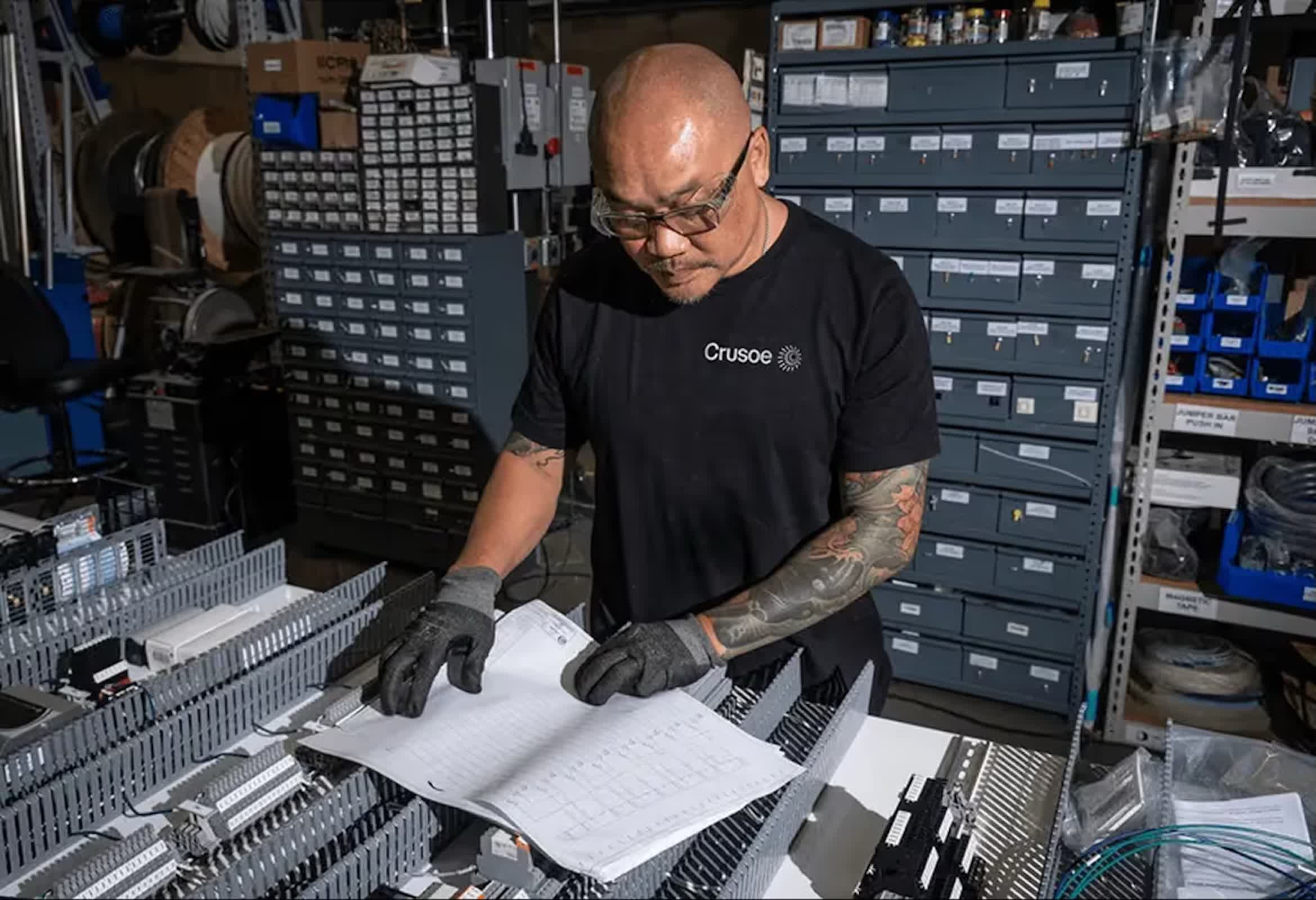
The company differs from many newer AI cloud providers because it operates across several parts of the market. It develops and leases data centers, rents GPU capacity and runs models for customers through a managed-inference business.
"We sell data centers, GPUs and tokens," Lochmiller said.
Lochmiller said the managed-inference business grew from almost no revenue at the start of 2026 to an annualized revenue run rate of more than $100 million by the summer. Perplexity is among Crusoe's cloud customers, he said.
The strategy has prompted some debate within Crusoe's board, according to people familiar with the discussions. Some directors have argued that the company should narrow its focus. Lochmiller has maintained that operating across the stack gives Crusoe a clearer view of customer demand and helps it build infrastructure for changing workloads.