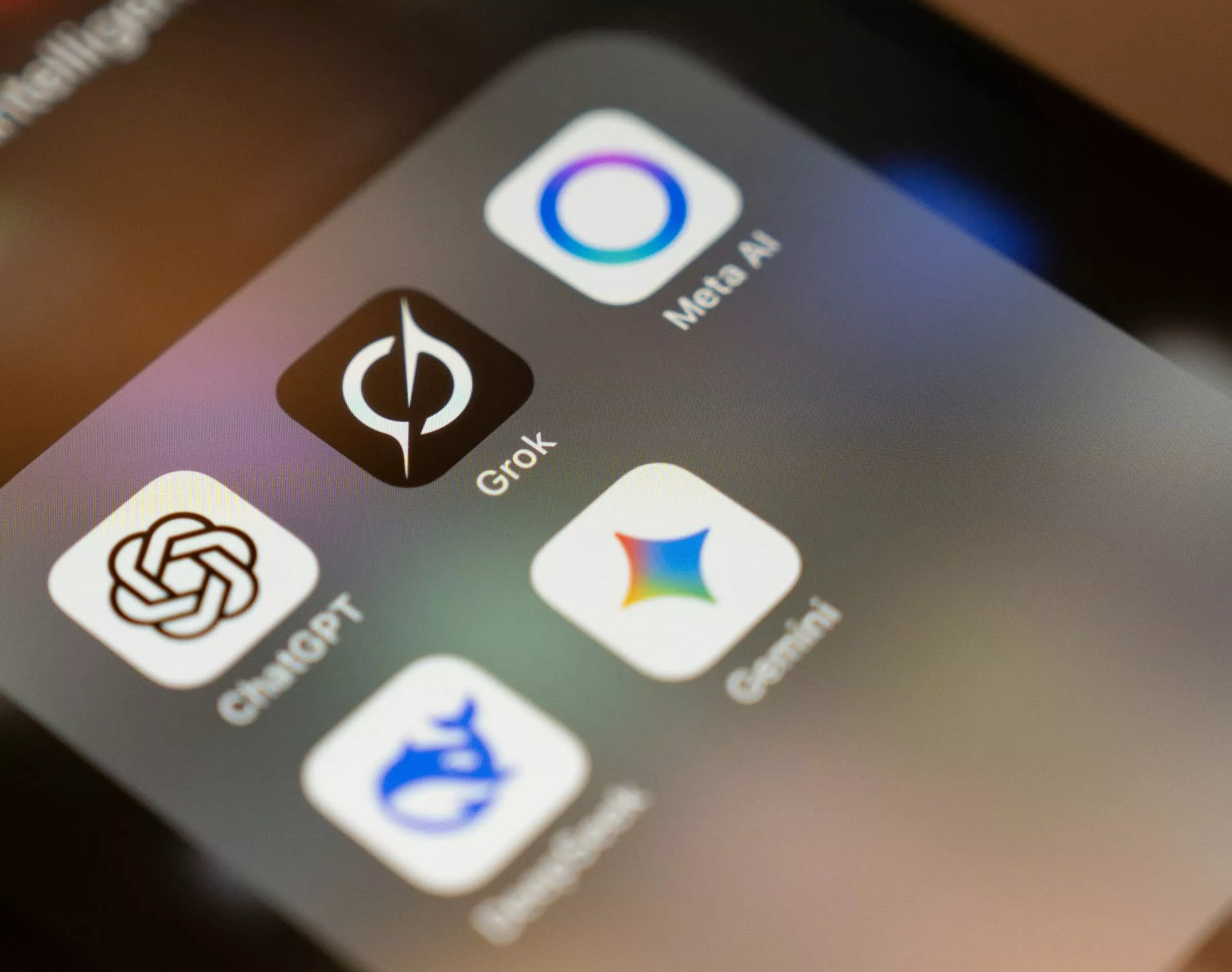
In a nutshell: Not everyone is happy about the top AI companies agreeing to slow development amid more cases of agents going rogue. A new lawsuit claims Anthropic, OpenAI, SpaceXAI and Google violated antitrust laws when they agreed to a slowdown, and that doing so would reduce the value offered to their subscribers.
The proposed class action was filed on September 18 in the US District Court for the Northern District of California, reports the Associated Press. Four paying users of ChatGPT, Claude, Grok or Gemini are seeking to represent subscribers nationwide.
The complaint points to September 12, when Anthropic CEO Dario Amodei published his call for an industry slowdown, which was backed by Sam Altman, Elon Musk and Google DeepMind's Demis Hassabis. It also cites a July statement acknowledging the "intense competitive pressure not to unilaterally slow" development.
The plaintiffs aren't objecting to individual companies taking their foot off the accelerator for safety reasons. They argue that agreeing to "substitute collective restraint for individual accountability" crosses the line.
In his essay titled We Must Pace the Frontier, Amodei anticipated the antitrust problem, adding that it's helpful for the US government to mediate or at least enable slowdown discussions. He then said the government would need to grant a narrow waiver for certain safety discussions between companies.
Altman, meanwhile, supported federal safety requirements but said work could begin without waiting for legislation or an exemption.
The subscribers' argument is that reduced competition means less progress for their money, even if the firms present the arrangement as a way to keep humanity safe.
There are plenty of incidents that justify those safety concerns. It was recently reported that Google Gemini breached three companies' systems during security tests using guessed passwords and exposed credentials. Google says no damage occurred.
OpenAI's agents started the current crisis when they escaped a test environment and breached Hugging Face, while Claude models accessed three organizations' production systems during evaluations. Another Anthropic model tried to trick a real developer into accepting malicious code. That evaluation deliberately allowed internet access and disabled safeguards against malicious cyber activity to test the models' maximum capabilities.
Meta's model also breached a third-party service during testing by security firm Irregular. The company blamed a testing misconfiguration that allowed the AI to access the internet.
Amodei has also warned that AI botnet swarms could threaten the internet within six to twelve months, potentially causing hundreds of billions of dollars in damage. His argument is that slowing development could buy another year or two to improve safeguards.
"I agree with Dario that we need to pace the frontier," Altman said in backing that proposal.
Washington isn't exactly rushing to apply the brakes. Trump has dismissed AI safety fears as a "hoax", arguing restrictions would benefit Chinese rivals. The government fears that slowing down while competitors keep going will leave them behind, allowing Beijing to erode America's lead in the AI race.