Editor's take: Sony is actively trying to break new ground with AI technology, cloud services, and other questionable consumer solutions after stating that PlayStation physical games will soon be discontinued. The company is going as far as constantly tracking users' devices so that one or more LLMs might vibe-code a fix for new software issues.
In 2025, Sony filed an AI-focused patent with the USPTO. The recently published patent reveals a diagnostics and troubleshooting system designed to rely heavily on automation, with large language models acting as both the "brain" and the developer – tasked with fixing issues found on customers' devices.
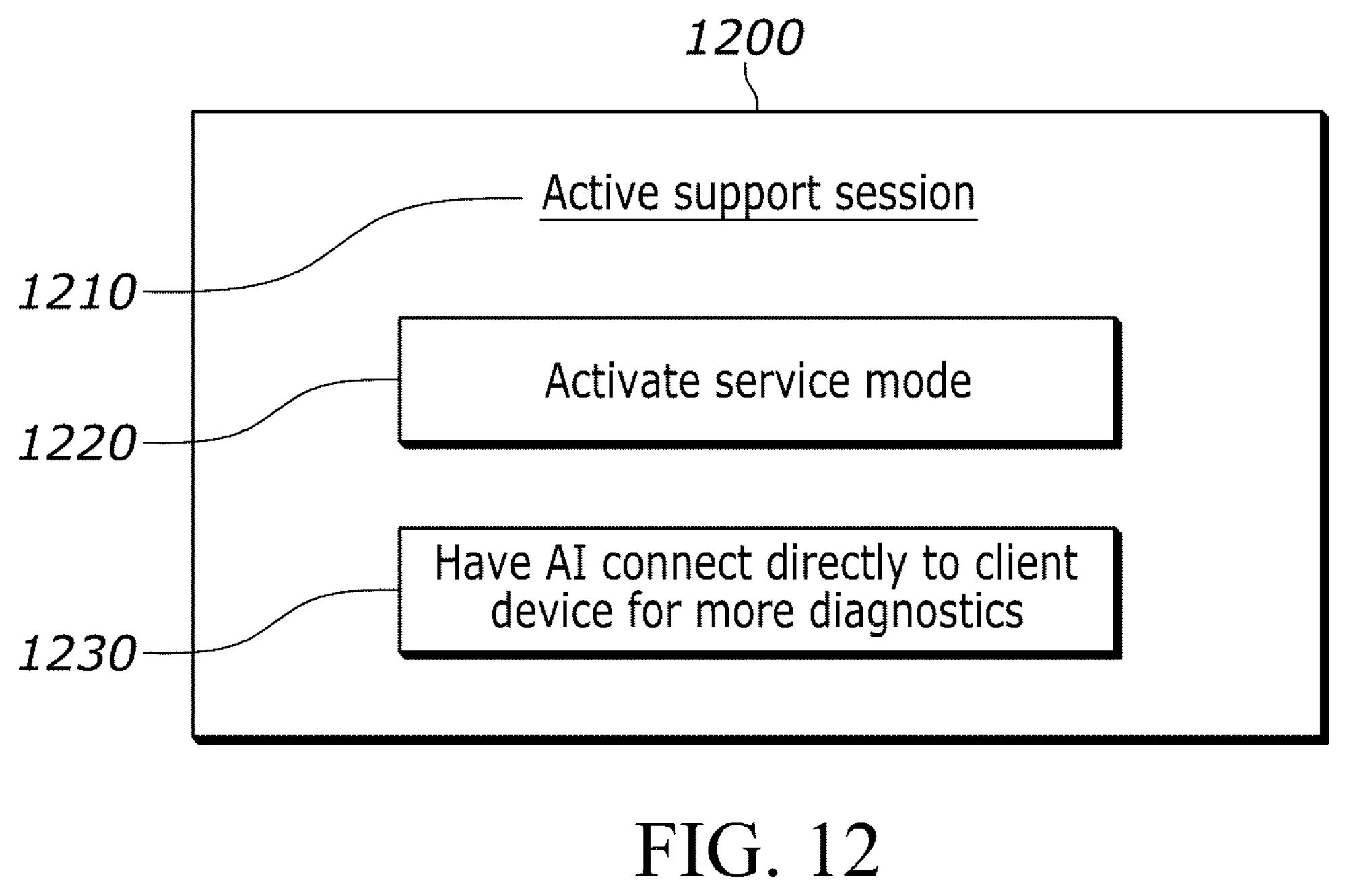
Sony's patent application describes a remote AI server that's constantly monitoring a user's device. The device could eventually signal that something is wrong, and the server can write its own small diagnostic tool to send back to the device. After examining the diagnostic data, the system can either fix the issue by itself or file a new ticket to be reviewed by a human troubleshooter at a later date.
The system includes a cloud-based "brain" that can choose between multiple LLMs to get the job done, even writing and uploading software fixes for on-device firmware, operating systems, and more.
In theory, the AI-based troubleshooting technology could help diagnose and fix issues on gaming consoles, TVs, headsets, and other types of consumer electronics sold by Sony.
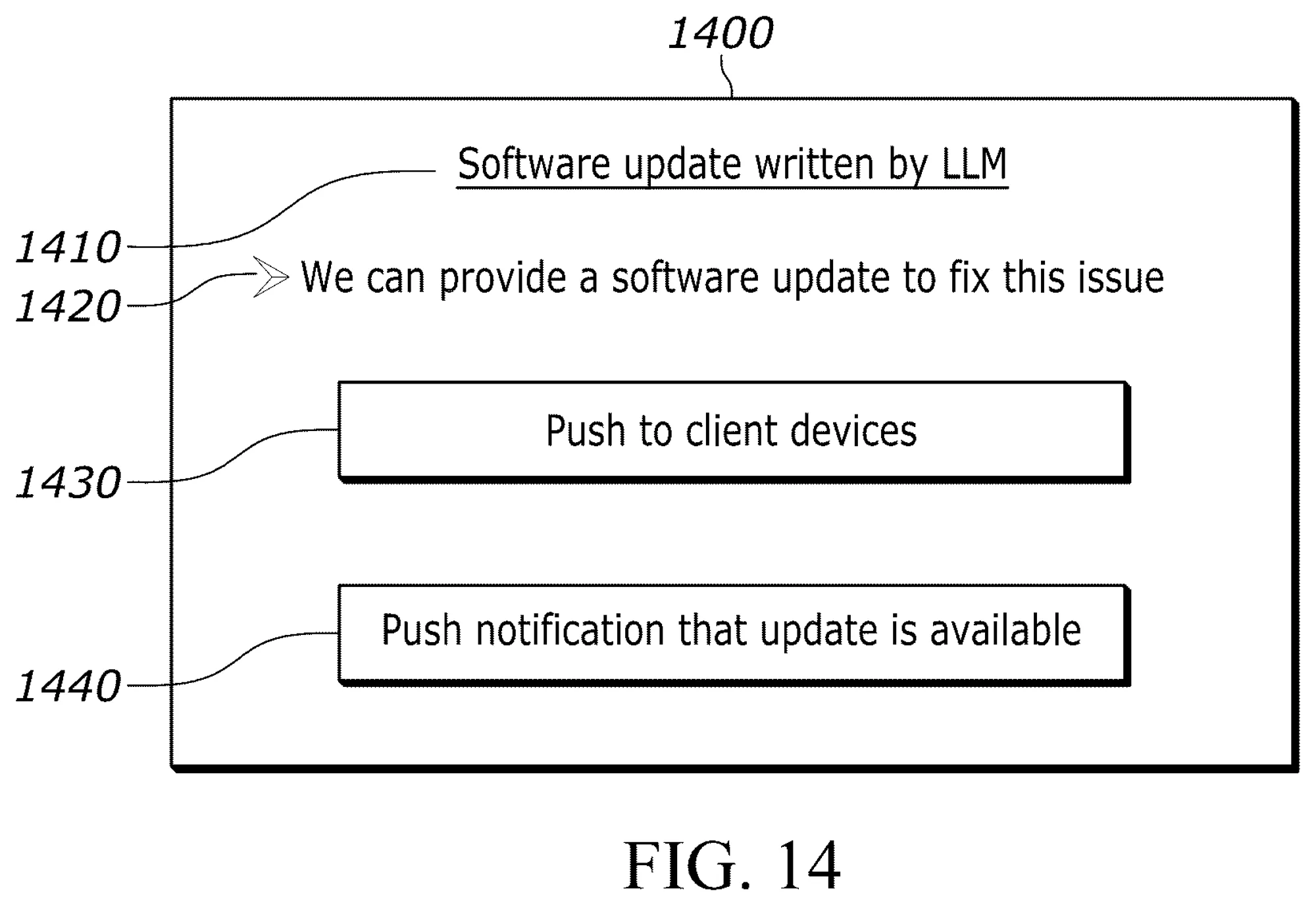
If the system works as intended, users wouldn't even be notified that their device had downloaded updated firmware. Consumers would be left with a perfectly working device, while Sony could gain access to massive troves of valuable diagnostic data to further refine and train its LLMs.
Sony's approach might prove troublesome in a number of ways. The cloud system would act as an always-on monitoring system for consumer devices, posing potential threats to users' privacy and data security. Vibe-coding LLMs might be the best thing since sliced bread for AI enthusiasts, but automatic systems are still prone to generating hallucinations, security issues, and difficult-to-maintain code.
It's worth noting that tech companies file patents on a constant basis, and many of these supposedly "revolutionary" solutions never come to fruition.
For now, the AI-based troubleshooting system has already received a rejection from a USPTO examiner. Sony could keep pushing its patent application within the USPTO, asking for a new review after amending the original application.